
Avoid Nutritional Deficiencies on Weight Loss Drugs
Nourished · July 28, 2026
Avoid Nutritional Deficiencies on Weight Loss Drugs
The most effective way to avoid nutritional deficiencies on weight loss drugs is a food-first plan built around 1.0–1.5 g/kg of protein daily, a quality multivitamin, resistance training twice weekly, and baseline labs before you start. That combination addresses the three real drivers of nutrient loss: sharply reduced food intake, accelerated lean-mass loss, and micronutrient gaps that build quietly before symptoms appear.
Here is what the research shows matters most right now:
- Protein first, every eating occasion. Target moderate amounts of protein per meal or snack, even when appetite is low. Resistance training and high-protein intake from day one are what Mass General Brigham researchers specifically recommend to preserve bone and muscle.
- Start a daily multivitamin now. Harvard Health’s Dr. Robert Shmerling advises proactive nutrient monitoring and a daily multivitamin for anyone on GLP-1 therapy.
- Get baseline labs this week. CBC, ferritin, 25-OH vitamin D, B12, and a comprehensive metabolic panel before your intake drops further.
- Book a registered dietitian consult. Today’s Dietitian reports that most patients prescribed GLP-1s receive little to no nutritional guidance alongside their prescription.
- Use Nourished for cycle-aware meal structure. Personalized plans that adapt to your hormonal stage reduce risk more than generic advice.
Table of Contents
- What should you do in the next 72 hours?
- Why do weight loss drugs create nutritional gaps?
- How do you meet protein and micronutrient needs when appetite is low?
- Why resistance training is non-negotiable during rapid weight loss
- Which supplements actually help, and when?
- What labs do you need, and when?
- Women-specific cautions you should not skip
- What does a low-appetite day actually look like?
- How Nourished supports deficiency prevention for women on medication
- Why staying hydrated matters more than you think
- Drug-nutrient interactions you need to know about
- Key Takeaways
- What the food-first approach gets right that most guides miss
What should you do in the next 72 hours?
Schedule baseline labs today. Ask your prescriber for a CBC with indices, ferritin and iron panel, 25-OH vitamin D, B12, comprehensive metabolic panel (CMP), magnesium, and albumin. Set a calendar reminder to repeat at the 3-month mark.
Stock protein-first snacks. Greek yogurt (17–20 g protein per cup), canned tuna, hard-boiled eggs, and a fortified protein shake cover most low-appetite days without requiring a full meal.
Plan two resistance sessions this week. Bodyweight squats, wall push-ups, and resistance band rows are enough to start. If joint pain is a concern, gentle strength training progressions can help you build safely.
Set fluid reminders. GLP-1 medications reduce thirst signals. Aim for at least 8–10 cups of water daily and add an electrolyte source if you notice muscle cramps or headaches.

Pro Tip: If your appetite drops so low that you are consistently eating under 1,200 kcal/day, contact your prescriber or a registered dietitian before the next dose. A PMC narrative review found some patients consume very low calorie intakes in early GLP-1 therapy, which raises real malnutrition risk.
Why do weight loss drugs create nutritional gaps?
Reduced intake, slowed gastric emptying, and rapid weight loss together drive most of the nutrient and lean-mass losses seen in GLP-1 therapy. The mechanism is not mysterious: when you eat significantly less, you absorb significantly less of everything.
The numbers are specific. A Harvard Health analysis of pooled clinical data found vitamin D deficiency, anemia, iron deficiency, and B vitamin deficiency occurred among some participants after 12 months. Those rates are not alarming in isolation, but they compound. A woman who is already iron-depleted from heavy periods and then drops her intake by 30–40% is in a very different position than the average trial participant.
Lean-mass loss is the other underappreciated risk. The Lancet Diabetes & Endocrinology reports that muscle accounts for a substantial share of total weight lost over weeks in incretin-mimetic drug trials. That is a meaningful share of what you are losing, and muscle does not return quickly. For women, the downstream effects touch hormones, bone density, and metabolic rate simultaneously.
How do you meet protein and micronutrient needs when appetite is low?
Prioritize protein at every eating opportunity. The Wiley review on incretin-mimetic drugs recommends 1.0–1.5 g/kg protein targets and spacing intake across meals to maximize muscle protein synthesis. On low-appetite days, that means making every bite count.
Practical food-first tactics:
- Swap a large low-protein salad for 3 oz salmon over a smaller bed of greens with pumpkin seeds.
- Add a tablespoon of almond butter or hemp seeds to a smoothie for 5–7 extra grams of protein and healthy fats.
- Choose fortified dairy (Greek yogurt, cottage cheese) over non-fortified alternatives for a calcium and B12 boost.
- Use canned fish (sardines, tuna, salmon) as a fast, nutrient-dense protein source that requires no cooking.
- When food alone is insufficient, a clinician-approved oral nutrition supplement (ONS) can maintain protein and micronutrient adequacy without reversing weight-loss progress.
Pro Tip: Nutrient density does not require expensive “GLP-1 friendly” products. Lentils, seeds, and nut butters are among the most affordable nutrient-loading options available.
Do not chronically stay under 1,200 kcal/day without medical supervision. Below that threshold, meeting protein and micronutrient targets becomes nearly impossible from food alone.
| Nutrient | Why it matters on GLP-1s | Best food sources |
|---|---|---|
| Protein | Preserves lean mass, supports hormones and bone | Salmon, Greek yogurt, eggs, cottage cheese, lentils |
| Vitamin D | Deficiency found in 13.6% after 12 months | Fatty fish, fortified dairy, eggs |
| Iron | Risk elevated with low intake and menstrual losses | Red meat, canned sardines, lentils, fortified cereals |
| B12 | Reduced absorption with lower food volume | Eggs, dairy, fortified foods, meat |
| Calcium | Bone protection, especially in perimenopause | Dairy, fortified plant milks, canned salmon with bones |
Why resistance training is non-negotiable during rapid weight loss
At least two resistance sessions weekly, focused on compound movements, are the minimum to counter lean-mass loss on appetite-lowering medications. This is not optional maintenance advice. It is the primary tool you have to protect muscle while your intake is reduced.
Mass General Brigham researchers are direct: concurrent resistance training and high-protein intake should be integrated from the start of treatment, not added later. The Lancet data showing 25%–39% muscle loss makes the case for why waiting is costly.

A simple two-week progression: Week 1, bodyweight only (squats, push-ups, glute bridges, rows using a towel and door). Week 2, add a resistance band for rows and hip hinges, or increase squat depth. Progressive overload does not require a gym. If you have joint pain or mobility limits, partner link resources on gentle resistance progressions offer safe starting points.
Pro Tip: Pair your post-workout window with your highest-protein meal or snack of the day. Muscle protein synthesis is most responsive in the 30–60 minutes after resistance work.
Which supplements actually help, and when?
A quality daily multivitamin is a reasonable first step for anyone whose food intake has dropped or whose diet lacks variety. Beyond that, targeted supplements should follow lab-confirmed deficiency or strong clinical suspicion, not guesswork.
The micronutrients most commonly at risk are vitamin D, iron, and B vitamins, particularly B12. Women with heavy menstrual bleeding need iron monitoring regardless of medication. Low dairy intake raises calcium and vitamin D risk. Restricted diets compound every gap.
Timing and interactions matter. Calcium supplements can interfere with iron absorption when taken together, so space them by at least two hours. High-dose single-nutrient supplements for confirmed deficiencies should be coordinated with your prescriber or RD, not self-prescribed. For drug interactions with weight loss medications, a pharmacist review is worth the 10-minute conversation.
Electrolytes deserve a mention here too. Reduced intake and increased urination can deplete sodium, potassium, and magnesium. If you experience muscle cramps, fatigue, or headaches, ask your clinician to check electrolytes before assuming the cause is something else.
What labs do you need, and when?
Baseline labs before or at the start of treatment, repeated at 3 months, then every 6–12 months or sooner if symptoms appear.
| Lab | What it checks | Timing |
|---|---|---|
| CBC with indices | Anemia, iron-deficiency markers | Baseline, 3 months, then annually |
| Ferritin and iron panel | Iron stores | Baseline, 3 months |
| 25-OH vitamin D | Vitamin D status | Baseline, 6 months |
| B12 | B vitamin adequacy | Baseline, annually |
| CMP (electrolytes, albumin) | Metabolic status, protein stores | Baseline, 3 months |
| Magnesium | Electrolyte balance | Baseline, as needed |
Symptom red flags that need prompt clinical review:
- Rapid or unexplained muscle weakness
- Breathlessness or heart palpitations at rest
- Severe fatigue that does not improve with rest
- Significant hair loss (beyond normal shedding)
- Bone pain or stress fractures
- Fainting or near-fainting episodes
- Signs of dehydration: dark urine, dizziness, confusion
Borderline results are not “fine.” A ferritin of 12 ng/mL is technically within range in some labs but functionally low for a menstruating woman. Bring borderline results to an RD or clinician for interpretation in the context of your symptoms and diet.
Women-specific cautions you should not skip
Coordinate weight-loss drug use with your reproductive goals and bone-health stage before you start, not after problems appear.
If you are menstruating: Iron depletion is the most immediate risk. Heavy periods combined with reduced dietary iron intake can push you into deficiency within weeks. Check ferritin at baseline and again at 3 months.
If you are planning pregnancy: Most GLP-1 medications are not recommended during pregnancy. Discuss stopping the medication before planned conception with your prescriber. Confirm iron and folate status before trying to conceive. Contraception reliability may also shift with weight changes and altered gastric emptying. For more on hormonal weight changes by life stage, the connection between hormones and nutrient needs is worth understanding.
If you are in perimenopause or menopause: Bone density is the priority. Rapid weight loss accelerates bone loss, and estrogen decline already raises that risk. Calcium (1,000–1,200 mg daily from food and supplements combined) and vitamin D (at least 600–800 IU, higher if labs show deficiency) are non-negotiable. Protein needs in perimenopause are also higher than most women realize.
Refer to a specialist if you experience unexplained amenorrhea, severe menstrual blood loss, or early menopause symptoms while on medication.
What does a low-appetite day actually look like?
Structure 3–4 small, protein-forward eating occasions rather than forcing three large meals. The goal is nutrient density per bite, not volume.
Sample day:
- Breakfast: ½ cup Greek yogurt + 1 tbsp hemp seeds + ½ cup blueberries (approx. 18 g protein)
- Mid-morning snack: 1 hard-boiled egg + 10 almonds (approx. 9 g protein)
- Lunch: 3 oz canned salmon over ½ cup lentils with olive oil and lemon (approx. 28 g protein)
- Dinner: 2 oz cottage cheese + ½ cup roasted vegetables + 1 tbsp pumpkin seeds (approx. 15 g protein)
Three swaps for nausea or taste changes:
- Replace salmon with a protein smoothie: 1 scoop protein powder + ½ banana + 1 tbsp almond butter + fortified plant milk.
- Replace Greek yogurt with cottage cheese if dairy texture is an issue.
- Replace lentils with edamame if legume digestion is uncomfortable.
Pro Tip: When satiety hits after two bites, eat the protein first, every time. A forkful of salmon before the salad, the egg before the toast. You cannot go back and add protein once you are full.
How Nourished supports deficiency prevention for women on medication
Personalized plans that adapt protein targets, meal timing, and resistance training to your hormonal stage reduce risk more effectively than one-size-fits-all advice. That is the core premise behind Nourished.
- Cycle-syncing meal structure adjusts nutrient priorities across your cycle phases, so iron-rich foods are front-loaded in the follicular phase and magnesium-rich options appear when PMS symptoms peak.
- Protein timing tools help you hit 1.0–1.4 g/kg targets across small eating occasions without calorie counting.
- Life-stage adaptation means the plan shifts when you move into perimenopause or menopause, prioritizing calcium, vitamin D, and higher protein automatically.
- Lab tracking references give you a framework for understanding your results alongside your meal plan.
- RD-bridging content points you toward clinical support when symptoms or labs suggest you need more than a meal plan.
Medical disclaimer: Nourished is a nutrition platform, not a prescriber. Always coordinate medication adjustments with your prescribing clinician.
Why staying hydrated matters more than you think
GLP-1 medications suppress thirst signals alongside appetite, a phenomenon called hypodipsia. You can be meaningfully dehydrated without feeling thirsty, and dehydration directly impairs nutrient absorption, kidney function, and electrolyte balance.
Water is the medium in which most water-soluble vitamins (B vitamins, vitamin C) and minerals are absorbed and transported. When you are chronically under-hydrated, even a well-planned diet delivers less than it should. Constipation, a common GLP-1 side effect, worsens with low fluid intake and can further reduce nutrient absorption time in the gut.
Practical targets: 8–10 cups of fluid daily, more if you are exercising or in a warm climate. Herbal teas, broth, and water-rich foods (cucumber, watermelon, zucchini) all count. If you are experiencing muscle cramps or fatigue, add a low-sugar electrolyte drink and check in with your clinician about magnesium and potassium levels.
Drug-nutrient interactions you need to know about
GLP-1 receptor agonists slow gastric emptying, which changes the absorption timing of oral medications and some nutrients. This is not a minor footnote.
Fat-soluble vitamins (A, D, E, K) depend on dietary fat for absorption. If fat intake drops significantly, these vitamins absorb less efficiently even when you are eating them. Vitamin D is particularly vulnerable given that it is already the most commonly deficient nutrient in this population.
B12 absorption requires intrinsic factor and adequate stomach acid. Slowed gastric emptying and reduced food volume can both affect this pathway. If you are also taking metformin (sometimes co-prescribed with GLP-1s), B12 depletion risk increases further.
Calcium and iron compete for absorption when taken simultaneously. Space them by at least two hours. Iron absorbs better with vitamin C (a glass of orange juice, a handful of strawberries) and worse with coffee or tea, so timing your iron-rich meals away from caffeine is a simple, free intervention.
For a full review of medication and nutrient interactions, a pharmacist consultation is the most direct route to a personalized interaction check.
Key Takeaways
Preventing nutritional deficiencies on weight loss drugs requires protein targets of 1.0–1.5 g/kg daily, resistance training twice weekly, baseline labs at the start, and a daily multivitamin until labs confirm adequacy.
| Point | Details |
|---|---|
| Protein is the priority | Aim for 1.0–1.5 g/kg daily, spread across 3–4 eating occasions, starting from day one. |
| Muscle loss is measurable | The Lancet data shows 25%–39% of total weight lost can be lean mass; resistance training twice weekly reduces this. |
| Labs before symptoms | Get CBC, ferritin, 25-OH vitamin D, B12, and CMP at baseline, then repeat at 3 months. |
| Women have added risks | Menstruating women need iron monitoring; perimenopausal women need calcium and vitamin D prioritized. |
| Nourished adapts to your stage | Cycle-syncing meal plans and life-stage protein tools support deficiency prevention without calorie counting. |
What the food-first approach gets right that most guides miss
The conventional framing around GLP-1 nutrition tends to focus on what to avoid: processed food, empty calories, large portions. That framing is backwards when appetite is already suppressed. The real problem is not eating too much of the wrong things. It is eating too little of the right ones.
What gets underestimated is how fast micronutrient gaps accumulate when intake drops below 1,200 kcal/day. Most women do not feel deficient until they are significantly depleted, because the body compensates quietly. Hair loss, fatigue, and mood changes show up weeks after the labs would have caught the problem. That lag is exactly why baseline testing and a structured plan matter more than any single supplement.
The other thing most guides skip: hormonal life stage changes everything about which nutrients matter most. A 28-year-old with regular cycles and a 51-year-old in perimenopause are not facing the same risks on the same medication. Protein targets, calcium needs, iron monitoring frequency, and bone-density risk all shift with hormonal stage. Generic advice does not account for that, and that gap is where real harm accumulates quietly.
Nourished: personalized nutrition for women on appetite-lowering medications
Most nutrition advice for women on GLP-1 medications is written for the average patient, not for you at your specific hormonal stage. Nourished builds meal and workout plans around your cycle, your life stage (perimenopause, menopause, post-menopause), and your protein targets, so the plan actually fits the days when you can only eat a few bites.
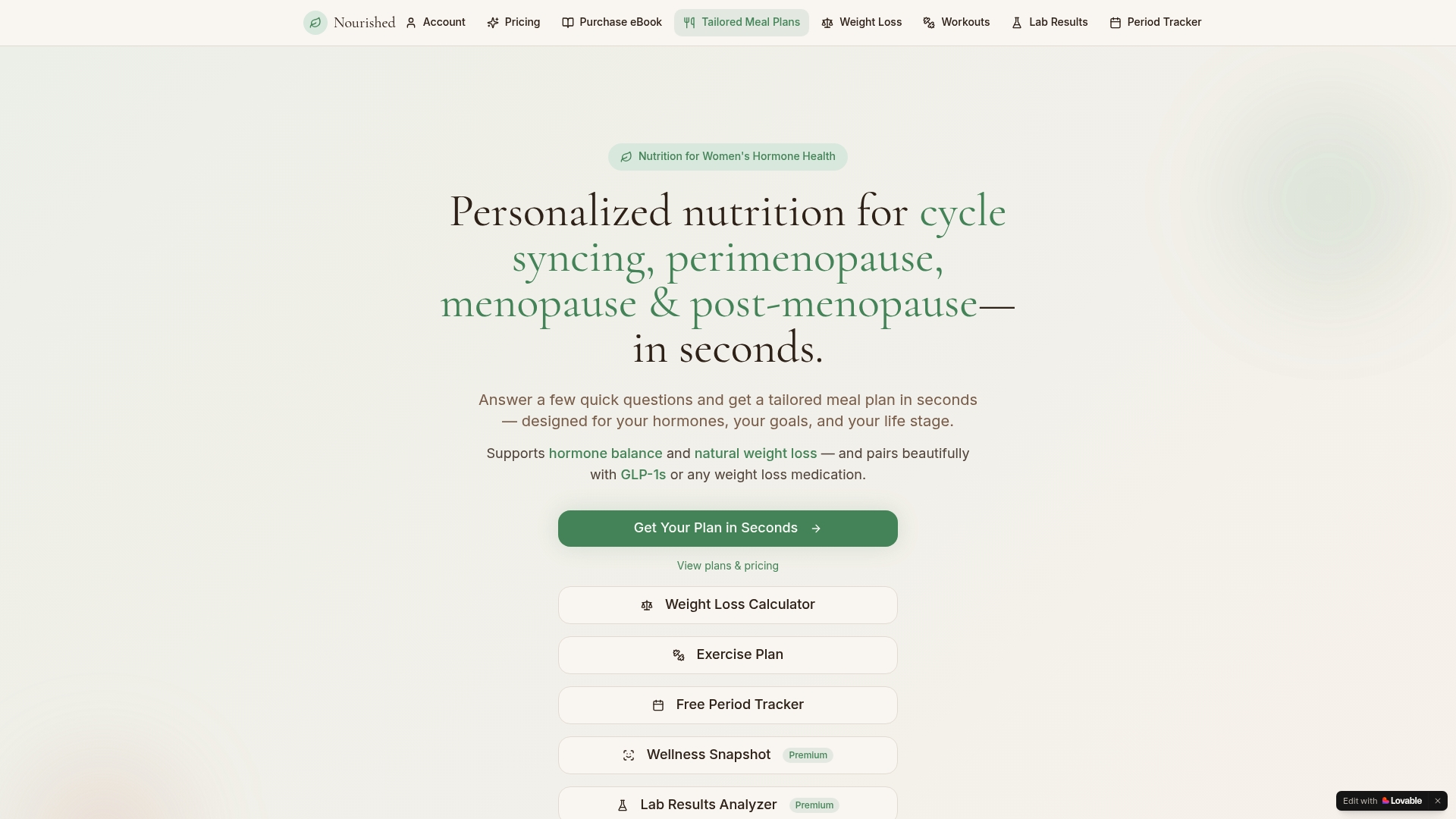
Unlike a generic meal plan, Nourished adapts as your hormones shift, front-loads iron-rich foods when your cycle demands it, and adjusts protein timing for muscle preservation without requiring calorie counting. The platform also points you toward RD resources when your situation calls for clinical support beyond a meal plan.
Nourished is a nutrition platform, not a medical provider. Always coordinate medication and supplement changes with your prescribing clinician.
Build your personalized plan at Nourished, or see how the platform works before you start.
Key clinical sources and further reading
- Harvard Health / Dr. Robert Shmerling — GLP-1 drugs and nutrient deficiency risk: pooled data on vitamin D, iron, B vitamin, and anemia rates after 12 months of GLP-1 therapy; basis for multivitamin and monitoring recommendations.
- Mass General Brigham Endocrinology — Lean mass loss and resistance training: clinical rationale for integrating resistance training and high-protein intake from the start of pharmacotherapy.
- The Lancet Diabetes & Endocrinology — Muscle loss in incretin-mimetic drug trials00272-9/abstract): quantifies lean-mass loss at 25%–39% of total weight lost over 36–72 weeks.
- Wiley / Obesity Reviews — Strategies for minimizing muscle loss: protein targets (1.0–1.5 g/kg), resistance exercise protocols, and RD referral recommendations.
- PMC narrative review — Nutritional consequences of obesity pharmacotherapy: documents sub-800 kcal/day intakes in clinical practice and the role of oral nutrition supplements.
- Today’s Dietitian — Nutritional considerations for GLP-1s: RD-authored overview of mechanisms, protein guidance, and supplement considerations.
- The Conversation — Nutrient-loading tactics for weight-loss drug users: practical, affordable food-first strategies for maximizing nutrient density on low intake.
- Nourished Research Hub — Protocols and references: supporting citations for Nourished’s micronutrient and macronutrient tracking recommendations.
This article is general nutrition information, not medical advice. Confirm current guidelines and any medication or supplement changes with your prescribing clinician or a registered dietitian for your specific situation.