Hormone Aware Safety Checklist for Women Choosing Protein Powder
Nourished · September 6, 2026
Hormone Aware Safety Checklist for Women Choosing Protein Powder
Choose your protein powder by matching the formula to your main goal first, then filtering for label purity: whey or casein isolate for muscle and recovery, a low-sugar blend for weight loss, a balanced plant blend if you’re dairy-free, and collagen only as an add-on, never a replacement. Look for a product with third-party testing (NSF, Informed-Sport, or BSCG) and roughly 20 to 25 grams of protein per serving. If you’re pregnant, have kidney disease, or manage a complex condition, talk to a clinician before adding any supplement.
TL;DR:
- Choose protein formulas based on specific goals, such as muscle building with whey isolate or weight loss using low-sugar plant blends.
- Verify that products contain 20 to 25 grams of protein per serving and are tested by third-party organizations like NSF or Informed-Sport.
- Avoid proprietary blends and products with vague ingredients or hidden sugar content to ensure quality and transparency.
- Be cautious during life stages like pregnancy or menopause, opting for minimally processed options and consulting healthcare providers.
- Use practical timing for intake, such as post-workout for fast digestion or before bed with slow-digesting casein, to support individual needs.
Table of Contents
- How to Choose Protein Powder for Women Based on Your Goal
- What to Check on the Label Before You Buy
- Is Your Protein Powder Actually Safe? Testing and Purity, Explained
- How Much Protein Powder Should You Take, and When?
- Protein Powder Considerations for Pregnancy, Menopause, PCOS, and More
- Getting the Most Out of Your Protein Powder Day to Day
- How Nourished’s Hormone-Aware Approach Helps You Decide
- What Actually Matters When You’re Standing in the Supplement Aisle
- Let Nourished Help You Decide If You Even Need One
- Where This Guidance Comes From
- Sources
How to Choose Protein Powder for Women Based on Your Goal
The protein aisle overwhelms for a reason: whey, casein, soy, pea, rice, and collagen all claim to do the same job, but they don’t. Picking the right one starts with naming your actual goal, because a formula built for bulking behaves very differently in your body than one built for satiety or joint support.
Whey protein, especially whey isolate, remains the gold standard for building and repairing muscle. It digests fast, delivers a complete amino acid profile, and pairs well with resistance training. Casein, whey’s slower-digesting cousin, breaks down over several hours, which makes it a smarter pick before bed or during long stretches without food.
For fat loss, the protein type matters less than what’s not in it. A simple, low-sugar whey or plant isolate, without maltodextrin or added fillers, tends to outperform trendy “diet” blends stuffed with additives. Dietitian-reviewed comparisons consistently point to whey and casein as the most reliable options for muscle goals, with plant blends working well when the amino acids are balanced.
Plant-based eaters need to think in terms of “complete” versus “incomplete” proteins. A complete protein contains all nine essential amino acids in sufficient amounts; whey, casein, soy, and egg white qualify. Pea, rice, and hemp protein don’t hit that bar individually, which is why smart plant formulas blend pea with rice, or add pumpkin seed, to close the amino acid gaps.
Here’s a quick way to sort your options by goal:
- Building strength or muscle: whey isolate or a pea-rice blend with at least 20 grams of protein per serving.
- Weight loss or appetite control: low-sugar whey isolate, egg white protein, or unsweetened casein.
- Meal replacement: a blend with added fiber and micronutrients, not just isolated protein.
- Post-workout recovery: fast-digesting whey, ideally combined with a small amount of carbohydrate.
- Skin, joint, or bone support: collagen peptides, layered on top of a complete protein rather than swapped in for one.
Collagen deserves its own note here. It’s not a complete protein, so it can’t carry your muscle-building or satiety goals on its own. Think of it as a supporting player, not the star.
What to Check on the Label Before You Buy
A protein powder label tells you almost everything you need to know in under a minute, if you know where to look. Skip the front-of-package marketing and go straight to the nutrition panel and ingredient list.
Statistic worth remembering: research on protein and muscle synthesis points to roughly 20 to 25 grams of protein per serving as the sweet spot for most adults engaging in resistance training, a number that shows up again and again in dietary guidance for active women.
Run through this checklist every time you pick up a new tub:
- Protein per serving. Aim for 20 to 25 grams. Smaller-bodied women or those using it as a light snack can go lower; those training hard or replacing a meal may need to reach the higher end.
- Total carbs and added sugar. If low sugar is a priority, look for products under 15 grams of total carbohydrate per serving, or choose an unsweetened version and add your own fruit.
- Sweeteners. Sugar alcohols like sorbitol, xylitol, and erythritol sweeten without spiking blood sugar, but they’re notorious for bloating and gas in sensitive stomachs.
- Fillers and thickeners. Maltodextrin and dextrins pad out cheaper formulas and add carbs without adding nutrition; they’re not dangerous, just unnecessary if you’re watching your carb intake.
- Third-party testing seals. NSF Certified for Sport, Informed-Sport, and BSCG all indicate the product was tested by an outside lab, not just the manufacturer’s own claims.
Cleveland Clinic’s guidance on protein powder is blunt about one thing: it’s meant to supplement your diet, not replace whole foods, and reading past the “high protein” banner on the front of the tub is where the real decision-making happens.
If a label lists a proprietary blend without breaking down individual amino acids, or buries the sugar content in a “natural flavors” catch-all, treat that as a signal to keep looking.
Is Your Protein Powder Actually Safe? Testing and Purity, Explained
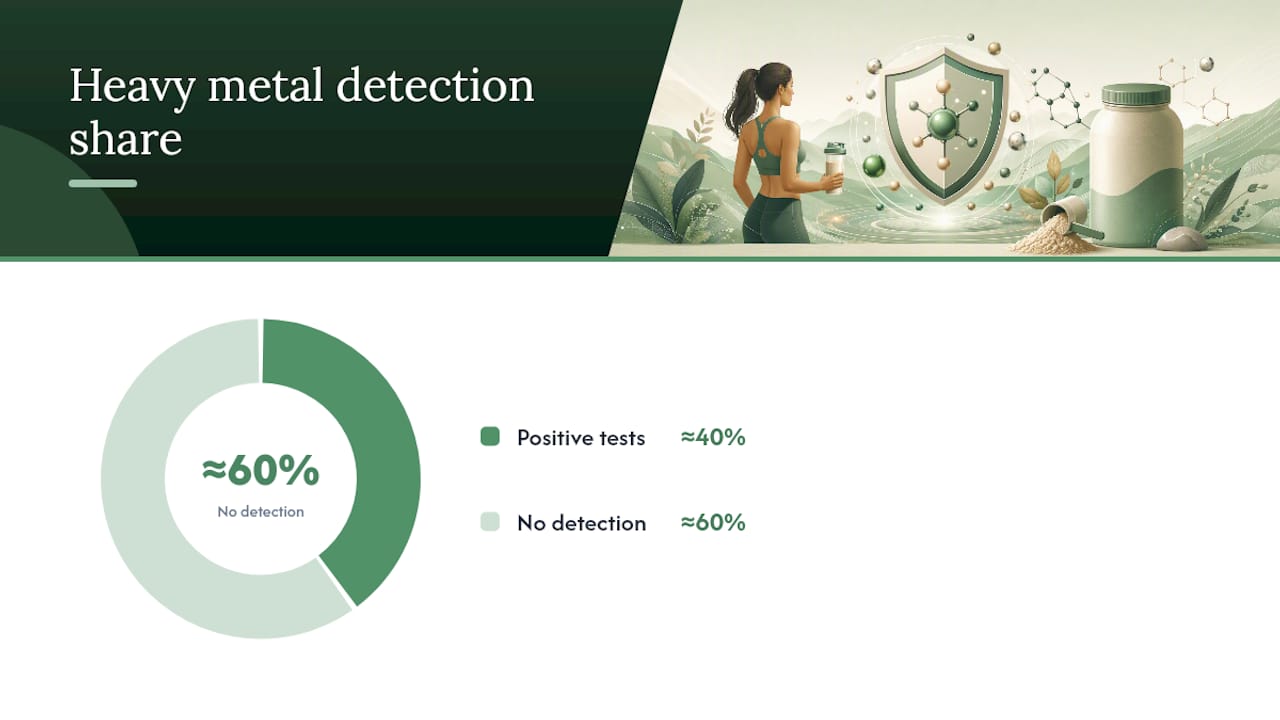
Not every tub on the shelf is as clean as its marketing suggests, which is why choosing a protein powder with third-party testing and ingredient transparency is essential. Some analyses have found that nearly 40% of 133 supplements tested positive for detectable heavy metals, a finding that makes third-party testing far more than a nice-to-have checkbox.
Heavy metals like lead, arsenic, and cadmium can accumulate from soil, water, or processing equipment, and they show up more often in plant-based and unregulated protein powders than most people expect. That doesn’t mean plant protein is inherently riskier. It means sourcing and testing quality vary wildly by brand.
Here’s what the common seals actually verify:
- NSF Certified for Sport tests for banned athletic substances and confirms label accuracy, which matters if you compete or are drug-tested.
- Informed-Sport runs batch-by-batch testing specifically for banned substances, a step beyond a one-time certification.
- BSCG (Banned Substances Control Group) screens for contaminants and mislabeled ingredients across supplement categories, not just sports nutrition.
Third-party verification isn’t a single standard. Some seals screen for banned substances, others confirm label accuracy, and assuming any seal covers everything a product claims is where consumers get misled.
That distinction, drawn from Mayo Clinic’s breakdown of protein powder ingredients, matters more than most shoppers realize. A seal on the front of the bag doesn’t automatically mean the product is free of heavy metals; it means someone outside the company checked a specific claim.
Practical red flags to watch for: no mention of testing anywhere on the packaging, vague claims like “premium quality” with no supporting data, and a company that doesn’t publish batch-specific lab results on its website. Brands with nothing to hide usually make that information easy to find, often with a batch number you can look up directly.
How Much Protein Powder Should You Take, and When?
Dosing comes down to two questions: how much protein do you need across the whole day, and when does a serving actually do the most good?
Most active women fall somewhere between 20 and 30 grams of high-quality protein per eating occasion, spread across three to four meals rather than loaded into one giant shake. That distribution matters as much as the total amount. Research on protein and muscle synthesis shows that spacing protein throughout the day, rather than front-loading or back-loading it, better supports both satiety and muscle repair.
A few practical timing rules:
- Post-workout: a 20 to 25 gram serving of fast-digesting whey within about 60 minutes of training supports recovery, though the exact window matters less than getting consistent daily intake right.
- Bedtime: casein’s slow digestion makes it a reasonable choice before sleep, since it feeds muscle tissue over several hours instead of a quick burst.
- Meal replacement: look for a blend with 20 or more grams of protein plus fiber and micronutrients, not a bare protein isolate, if it’s standing in for an actual meal.
- Between meals: a smaller 10 to 15 gram serving can bridge a gap without overloading your stomach before a workout.
Resistance training itself moves the needle more than tiny differences between one high-quality protein source and another. If you’re not lifting or doing some form of strength work, no amount of perfectly timed protein will build meaningful muscle on its own.
Protein Powder Considerations for Pregnancy, Menopause, PCOS, and More
Life stage changes the calculus on protein powder more than most product reviews acknowledge. What works during your twenties in a training phase isn’t automatically right during pregnancy or after menopause.
Pregnancy and breastfeeding. Protein needs rise, but not every powder is formulated with pregnancy in mind. Some contain herbal additives, high vitamin A doses, or unlisted ingredients that aren’t appropriate during pregnancy. Choose a plain, minimally processed option and check with your OB or midwife before adding any new supplement.
Perimenopause and menopause. Protein needs for maintaining muscle and bone density tend to increase as estrogen declines, and pairing higher protein intake with resistance training becomes more important, not less. Collagen shows some promise here. UCLA Health’s review of collagen peptides and menopausal bone loss points to modest improvements in bone markers when collagen is combined with resistance training and vitamin C, though evidence remains mixed and study doses vary. Nourished’s guide on why protein matters in perimenopause covers how shifting hormone levels change your practical daily targets.
PCOS. Blood sugar stability matters as much as protein quantity. Prioritize low-sugar, high-protein formulas and watch total carbohydrate content closely, since insulin resistance is common with PCOS.
Kidney disease. Excess protein can burden already-compromised kidneys. Anyone with kidney disease should get a clinician’s sign-off before using any protein supplement, full stop.
Pro Tip: If you’re managing a hormone-related condition, track how you feel for two weeks after adding a new protein powder before deciding it’s a keeper. Hormonal shifts can mask or amplify digestive reactions that seem unrelated to the product itself.
Getting the Most Out of Your Protein Powder Day to Day
A tub of protein powder is only as useful as your plan for actually finishing it. Smoothies remain the easiest entry point: blend a scoop with frozen fruit, spinach, and a liquid base for a quick breakfast. Stirring a scoop into oatmeal or yogurt adds protein without changing the flavor much, and unflavored or vanilla varieties work well baked into pancakes or muffins.
Storage matters more than people think. Clearing the grooves of the lid before resealing and keeping the container in a cool, dry spot prevents clumping and extends freshness.
Before committing to a full tub, buy a single-serving packet or small size to test taste and digestion. Watch for bloating, gas, or discomfort over three to five days before scaling up. If you’re adding creatine or a multivitamin, introduce one new product at a time so you can actually tell what’s causing what.
How Nourished’s Hormone-Aware Approach Helps You Decide
Choosing between a meal-replacement shake, a light recovery scoop, or skipping protein powder entirely depends on details a generic guide can’t know: your cycle phase, your training load, your symptoms this month. That’s the gap a personalized plan is built to close.
Meal and workout plans can be built around individual needs, cycle syncing for the luteal phase’s higher appetite and slower digestion, or adjusting targets for perimenopause’s shifting muscle and bone needs. A woman in her follicular phase training hard might need a full recovery shake with 25 grams of protein; the same woman two weeks later, managing PMS-related bloating, might do better with a lighter, easily digested option or none at all. The Nourished platform uses AI to adjust those recommendations automatically, rather than asking you to guess.
What Actually Matters When You’re Standing in the Supplement Aisle
Most of the noise around protein powder is marketing dressed up as science. Strip that away and the decision gets simple fast.
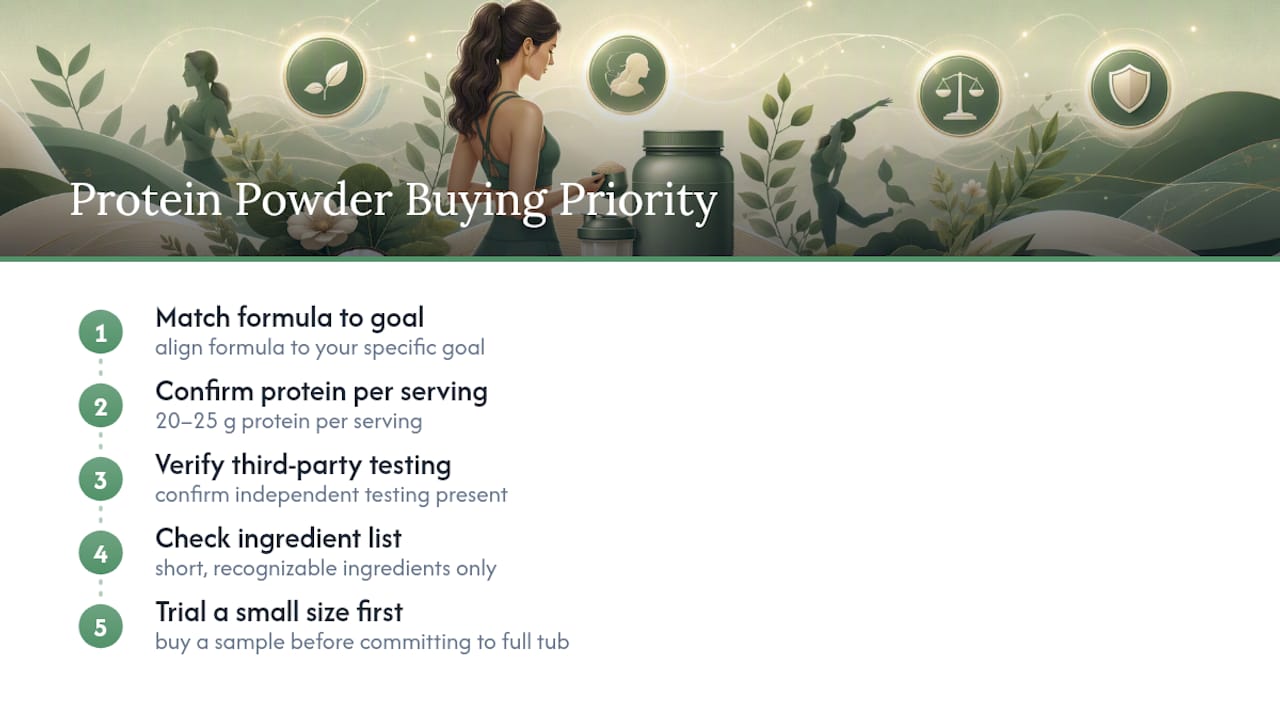
Prioritize in this order: match the formula to your specific goal, confirm it hits 20 to 25 grams of protein per serving, verify third-party testing, check that the ingredient list is short and recognizable, and trial a small size before committing to a full tub. Skip any step and you’re relying on luck instead of evidence.
Collagen gets more hype than the evidence supports for muscle building specifically, but it’s not without merit for skin and joint support when layered onto an already adequate protein intake. That’s a nuance most product roundups skip entirely in favor of a simple “best of” list.
None of this replaces a conversation with a doctor if you’re pregnant, managing kidney disease, or navigating a complicated hormonal condition. A protein powder is a tool, not a treatment plan.
— Brittany
Let Nourished Help You Decide If You Even Need One
Reading labels and cross-checking testing seals gets you most of the way there, but it still leaves the harder question unanswered: does your specific week, cycle phase, and training load actually call for a shake today? That’s where a static guide runs out of road.
Subscription-based nutrition platforms built around cycle syncing and life-stage nutrition generate meal plans accounting for whether a protein shake fits your day or whether whole food covers it better, without calorie counting or guessing which product matches your goal. If you want to see how the customization works before committing, the Nourished tutorial walks through the AI-driven setup step by step, or you can start with the free cycle tracker to see how your phase data shapes recommendations. From there, explore Nourished’s full plans to get a protein strategy built around your actual hormones, not a generic macro target.
Where This Guidance Comes From
This guide draws on clinical and nutrition sources readers can check directly: Mayo Clinic’s ingredient guidance on heavy metals and testing seals, Cleveland Clinic’s protein powder explainer, the PMC review on protein and muscle synthesis, and UCLA Health’s research summary on collagen and menopausal bone health. For a deeper look at nutrition research supporting hormone-aware plans, see Nourished’s research and references library.
This article is general information, not a substitute for advice from a qualified doctor. Consult a qualified healthcare professional about your own circumstances before acting on anything here.
Sources
- Ingredients to look for in a protein powder — Mayo Clinic
- What You Need To Know About Protein Powder — Cleveland Clinic
- NCBI / PMC review article on protein and muscle (PMC6566799)
- 7 best protein powders for women, according to a dietitian — Women’s Health