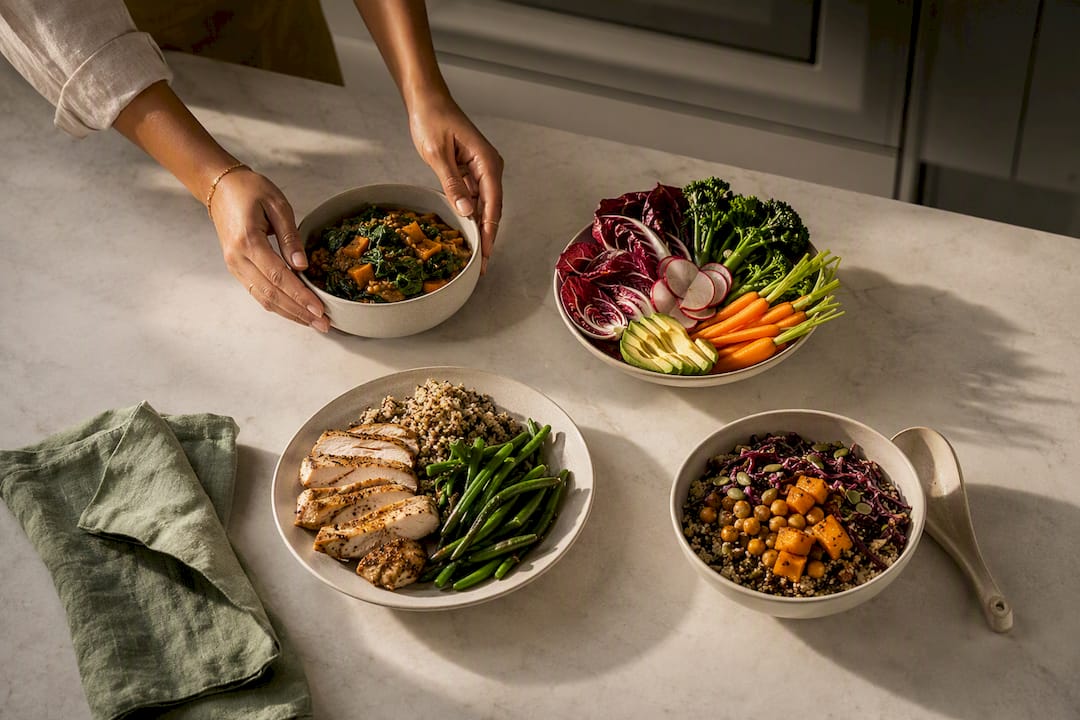
Match the 5 to 10% Metabolic Shift With a Practical Cycle Syncing Diet
Nourished · September 7, 2026
Match the 5 to 10% Metabolic Shift With a Practical Cycle Syncing Diet
A cycle syncing diet works best as a flexible, cycle-aware framework, not a rigid phase-by-phase script. The research backs modest metabolic shifts across the month, not a strict food-by-day protocol. Start with two moves today: build iron-friendly meals if you’re on your period, and pair protein with fiber at every meal regardless of where you are in your cycle.
TL;DR:
- Modest hormonal shifts throughout the cycle influence energy expenditure by roughly 5 to 10 percent, but they do not justify strict dietary changes on specific days.
- Iron-rich foods and vitamin C support absorption during menstruation, while protein, complex carbs, and cruciferous vegetables are beneficial during the follicular and ovulation phases.
- Cravings and increased hunger in the luteal phase are driven by higher resting energy expenditure, making fiber-rich carbs and magnesium-rich snacks more effective for managing hunger.
- Consistent daily habits like regular protein intake, fiber, healthy fats, and proper sleep have a greater impact on hormonal balance and energy stability than phase-specific food tweaks.
- Personalized cycle tracking over multiple months helps determine individual needs, especially for managing heavy symptoms or irregular cycles, rather than relying on rigid rules.
Table of Contents
- What Is Cycle Syncing and What Are the Four Phases?
- Does Cycle Syncing Actually Work? What the Research Shows
- Phase-by-Phase Nutrition: What to Eat When
- Daily Nutrition Habits That Matter More Than Phase Rules
- Simple Meal Ideas for a Phase-Aware Week
- Supplements and Micronutrients Worth Checking
- How to Track and Personalize Your Own Plan
- When to See a Doctor or Dietitian
- How Nourished Applies This in Practice
- How Nourished Makes Cycle-Aware Eating Simple
- Sources
What Is Cycle Syncing and What Are the Four Phases?
Cycle syncing means adjusting food, training, and lifestyle habits to match the hormonal shifts across your menstrual cycle instead of eating the same way every day of the month. The idea rests on four phases most cycles move through.
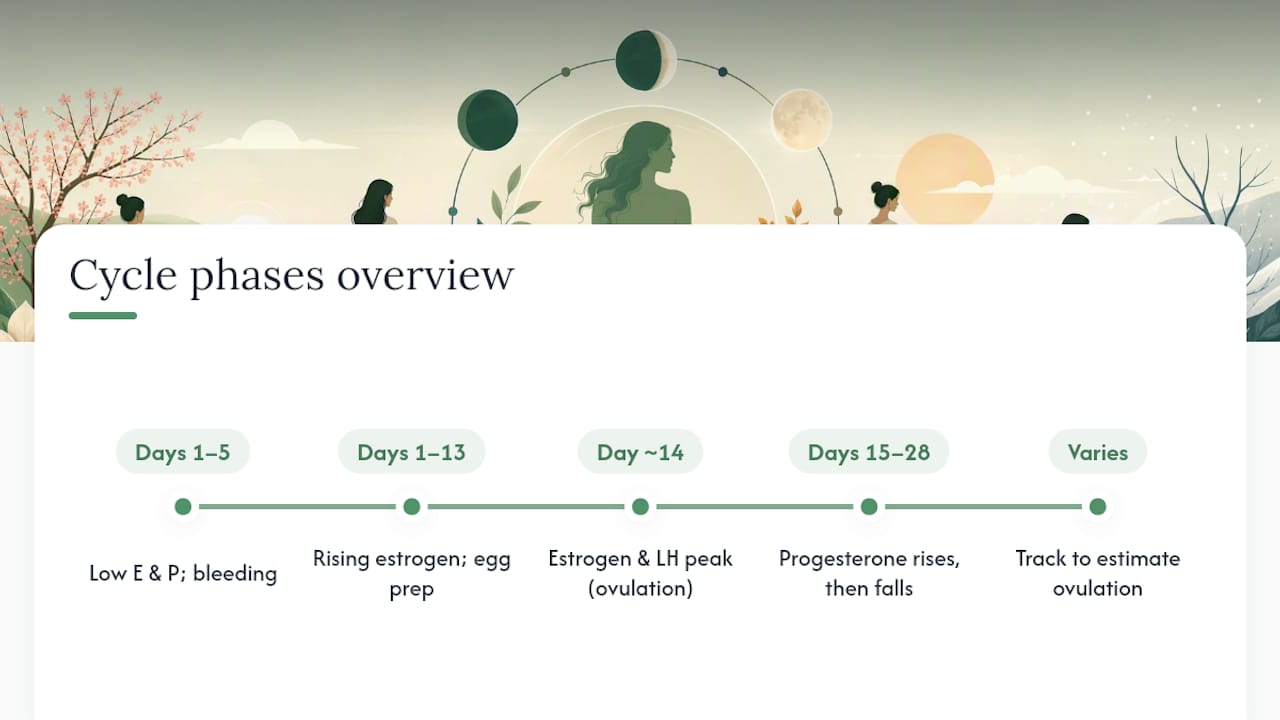
The menstrual phase (roughly days 1 to 5) is when estrogen and progesterone are at their lowest and bleeding occurs. The follicular phase (about days 1 to 13, overlapping with menstruation) brings rising estrogen as the body prepares an egg. Ovulation (around day 14 in a 28-day cycle) marks the estrogen and luteinizing hormone peak. The luteal phase (roughly days 15 to 28) is when progesterone rises, then both hormones drop if pregnancy doesn’t occur.
Cycle length varies widely, so don’t force your body onto a textbook 28-day grid. Track your own bleeding start date for two or three cycles and count backward to estimate ovulation, which usually falls about 14 days before your next period, not on a fixed calendar day.
Does Cycle Syncing Actually Work? What the Research Shows
No standardized clinical protocol for cycle syncing exists. That matters, because a lot of content online treats it as settled science with exact foods assigned to exact days. The real picture is more modest and, frankly, more useful.
Research on the menstrual cycle’s effect on nutrient metabolism finds small-to-moderate, consistent shifts in resting energy expenditure and how the body uses carbohydrates and fat across phases, not dramatic swings that justify a rigid diet overhaul.
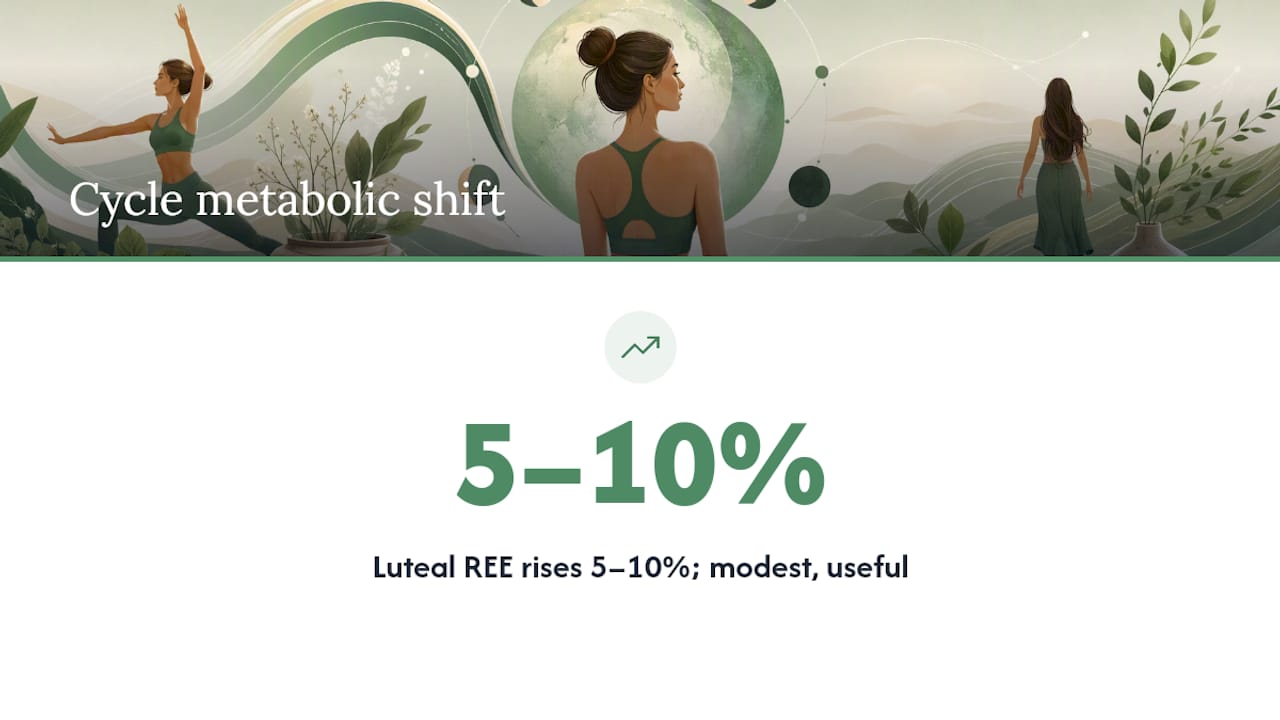
That finding, from an integrative review of menstrual cycle nutrient metabolism, is the closest thing to a scientific anchor for cycle syncing. Resting energy expenditure often runs higher in the luteal phase than the follicular phase, with some studies reporting increases of roughly 5 to 10 percent in many women. That’s a real, measurable shift, and it’s a reasonable explanation for why you feel hungrier the week before your period.
The practical takeaway: modest phase-based tweaks help, but they help around the edges. Consistent daily habits, protein, fiber, and healthy fats, do more heavy lifting than swapping your entire grocery list every seven days. Phase-tuned strategies matter more clinically for elite athletes timing training loads, women managing PCOS, or anyone dealing with heavy menstrual bleeding that demands closer nutrient attention.
Phase-by-Phase Nutrition: What to Eat When
Here’s where cycle syncing gets practical. Think of these as adjustments layered on top of a solid daily foundation, not a replacement for one.
Menstrual phase (roughly days 1 to 5)
Low iron and low energy are the two things working against you here. Blood loss depletes iron stores, and the drop in estrogen and progesterone can leave you sluggish and craving comfort food.
- Prioritize iron-rich foods like red meat, lentils, spinach, and fortified cereals.
- Pair iron sources with vitamin C (citrus, bell peppers, strawberries) since vitamin C significantly improves iron absorption.
- Lean on anti-inflammatory foods, fatty fish, olive oil, turmeric, and ginger, to ease cramps.
- Keep meals warm, simple, and easy to digest if energy is low; soups and stews with protein and vegetables work well.
- Limit heavily processed, high-sodium foods that can worsen bloating and cramping.
Follicular phase (days 1 through roughly 13)
Rising estrogen tends to bring more energy and a sharper appetite for variety. This is a good window to support estrogen metabolism and build momentum for harder workouts.
- Focus on lean protein (chicken, fish, tofu, eggs) to support rebuilding tissue and stable blood sugar.
- Add complex carbs, oats, quinoa, sweet potatoes, for sustained energy.
- Load up on cruciferous vegetables (broccoli, cauliflower, Brussels sprouts), which support healthy estrogen clearance.
- Include fermented foods like yogurt, kimchi, and sauerkraut for gut health, which in turn supports hormone metabolism.
- Limit alcohol and excess sugar, which can blunt the energy advantage this phase naturally offers.
Ovulation (around day 14)
Ovulation is short, and nutritionally it’s mostly a continuation of the follicular phase rather than its own separate set of rules. Estrogen peaks, then drops fast, and some women notice a brief dip in appetite or mild bloating.
- Keep the follicular-phase foods going, lean protein, colorful produce, complex carbs.
- Prioritize recovery nutrition if you’re training hard, since this is often a strength and performance peak.
- Stay consistent with fiber and protein rather than introducing anything new.
Luteal phase (roughly days 15 to 28)
This is where most cravings hit, and there’s a real physiological reason. Higher resting energy expenditure means your body is burning more at rest, so increased hunger isn’t a willpower failure.
- Choose fiber-rich carbs (beans, lentils, whole grains) to manage blood sugar swings and keep you full longer.
- Snack on magnesium-rich foods, dark chocolate, pumpkin seeds, almonds, to ease irritability and muscle tension.
- Add anti-inflammatory fats like avocado, walnuts, and flaxseed as PMS symptoms often ramp up late in this phase.
- Plan a treat ahead of time instead of white-knuckling cravings; a planned square of dark chocolate beats an unplanned binge.
- Limit excess caffeine and alcohol, both of which can intensify mood swings and disrupt sleep when progesterone is already fluctuating.
Daily Nutrition Habits That Matter More Than Phase Rules
Get these right and you’ll see more benefit than from perfecting any single phase’s menu.
- Protein at every meal: aim for roughly 25 to 35 grams per meal to stabilize blood sugar and support consistent energy across the whole month.
- Fiber: target sufficient fiber daily from vegetables, legumes, and whole grains; fiber also supports estrogen clearance through the gut.
- Healthy fats and omega-3s: fatty fish, walnuts, and flaxseed matter here. Avoid very low-fat diets, since dietary extremes disrupt reproductive and endocrine function.
- Never eat carbs alone: pairing carbohydrate with protein, fat, or fiber blunts blood sugar spikes and reduces the hormonal ripple effect that follows a sugar crash.
- Sleep and hydration are co-factors, not afterthoughts; poor sleep alone can amplify cravings and cramping regardless of what you eat.
Pro Tip: If you only change one thing this month, add a protein source to your breakfast. Most women unknowingly skip it, and mornings with only carbs are the biggest driver of the 10 a.m. crash and midday overeating.
Simple Meal Ideas for a Phase-Aware Week
You don’t need a new grocery list every seven days. A rotating template covers most of the month.
- Menstrual-phase day: scrambled eggs with spinach and orange slices; lentil soup with a side salad; salmon with roasted sweet potato and broccoli.
- Follicular-phase day: Greek yogurt with berries and flaxseed; grilled chicken salad with quinoa and mixed greens; tofu stir-fry with broccoli and brown rice.
- Luteal-phase day: oatmeal with almond butter and banana; turkey and avocado wrap with a side of beans; baked cod with roasted vegetables and a square of dark chocolate afterward.
For portable low-energy days, keep boiled eggs, roasted chickpeas, or a handful of almonds and dried apricots on hand. They cover protein, fiber, and iron without requiring a real meal.
Supplements and Micronutrients Worth Checking
Test before you supplement, especially with iron. Overloading on iron without a documented deficiency can cause its own problems.
- Iron: get bloodwork first, then prioritize food sources (red meat, lentils, spinach) with vitamin C to boost absorption.
- Omega-3s: food-first (fatty fish, walnuts, flaxseed) for cramp relief; talk to a clinician before high-dose fish oil supplements.
- Magnesium and vitamin D: both influence mood and menstrual symptoms; ask for testing if you suspect a deficiency rather than guessing at a dose. A supplement checklist for women is a useful starting point for sorting evidence-based options from marketing noise.
How to Track and Personalize Your Own Plan
Log energy, appetite, cramps, and sleep quality for two to three cycles before drawing conclusions. One rough month doesn’t tell you much; a pattern across several does.
- Use your own symptoms, not the calendar, to decide when to eat more.
- Increase carbs and calories on high training-load days or when fatigue is heavier than usual.
- If fatigue, cramping, or cravings feel unmanageable, that’s a signal to get support, not just push through.
Pro Tip: A free tool like Nourished’s period and cycle tracker makes this logging painless, so patterns show up after a couple of cycles instead of getting lost in memory.
When to See a Doctor or Dietitian
Nutrition adjustments have limits. Heavy bleeding that leaves you dizzy or exhausted, cycles that are irregular or have stopped altogether, and pain severe enough to disrupt your day all warrant a clinical visit, not another supplement.
Ask your doctor about a CBC and iron studies, a thyroid panel, and PCOS screening if symptoms fit. Supplement protocols and social media advice are not a diagnosis, and treating symptoms without knowing the cause can delay real answers.
How Nourished Applies This in Practice
Nourished builds personalized meal plans around the daily foundations this article covers first, protein, fiber, healthy fats, then layers in phase-specific tweaks using AI customization. The free cycle tracker and research references let you see the reasoning, not just the output.
— Brittany
How Nourished Makes Cycle-Aware Eating Simple
Most cycle syncing advice hands you a rigid calendar and expects you to plan around it forever. Nourished works the other way: you get an AI-generated meal plan built around your actual cycle and preferences, with no calorie counting and no daily menu overhaul required.
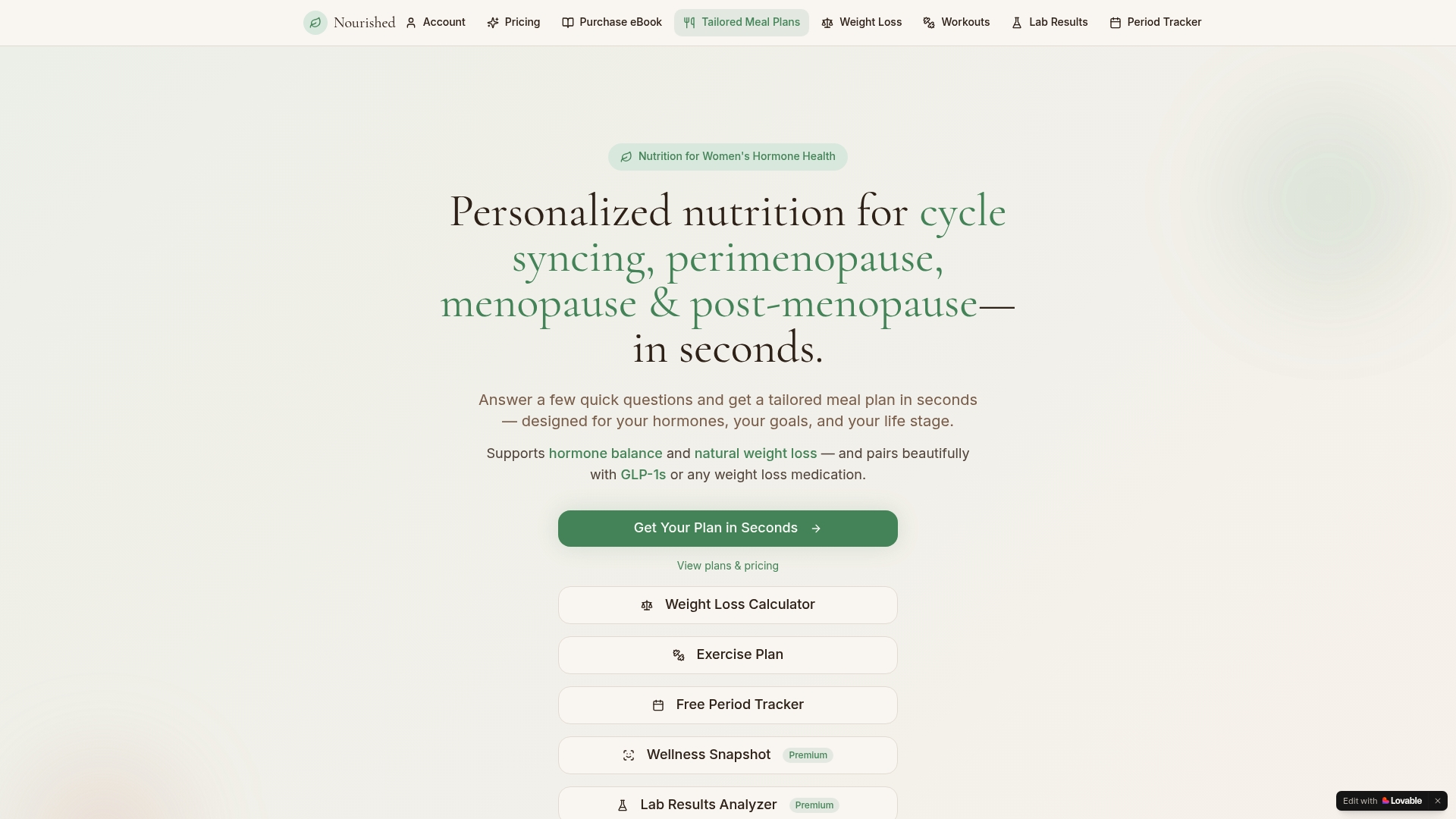
The plans update as your hormonal needs shift, whether that’s more iron-friendly options during your period or fiber-rich meals when luteal cravings hit. You also get hormone-adaptive workout plans alongside the food, so training and eating stay aligned instead of working against each other. If you want to see how it fits your own cycle before committing, start with the free period and cycle tracker or walk through the quick tutorial to get your first personalized plan generated in minutes.
Sources
- An integrative perspective on the impact of the menstrual cycle on nutrient metabolism (PMC13074570)
- Nutrition and Exercise Throughout Your Menstrual Cycle — Cleveland Clinic
- The menstrual cycle as a metabolic infradian rhythm (Nutrients, MDPI)
- Nutrition and reproductive health (PMC10973102)
This article is general information, not a substitute for advice from a qualified doctor. Consult a qualified healthcare professional about your own circumstances before acting on anything here.