
Fiber Intake Weight Loss Medication Plan: 2026 Guide
Nourished · July 18, 2026
Fiber Intake Weight Loss Medication Plan: 2026 Guide
A fiber intake weight loss medication plan is a structured approach that combines specific daily fiber targets with weight loss medications to maximize fat loss, control appetite, and protect digestive health. Women on GLP-1 agonists like semaglutide need 21–38 grams of fiber daily to support medication efficacy and prevent constipation. Fiber does something medications alone cannot: it physically slows digestion, triggers fullness hormones, and stabilizes blood sugar between doses. This guide covers the science, the meal structure, the right supplements, and the real obstacles you will face when building a high fiber diet for weight loss alongside medication.
What role does fiber play in weight loss and medication effectiveness?
Fiber is the single most evidence-backed dietary tool for appetite regulation. It works through a mechanism called viscosity: soluble fiber dissolves in water and forms a thick gel in your gut, which slows gastric emptying and triggers satiety hormones including GLP-1, PYY, and ghrelin suppression. That hormonal response is the same pathway GLP-1 medications target. Eating enough fiber essentially amplifies what your medication is already doing.

The weight loss effects of fiber are real but modest on their own. A meta-analysis of 62 randomized controlled trials covering 3,877 participants found that viscous fiber supplementation produced an average weight loss of 0.33 kg overall. That number grows when fiber comes from whole foods and pairs with medication. The combination works because fiber addresses the gaps medications leave open, particularly blood sugar swings and between-meal hunger.
Fiber also has a direct effect on blood sugar regulation. It slows the absorption of glucose from meals, which prevents the sharp spikes and crashes that drive cravings. For women managing hormonal weight shifts through Nourished, this blood sugar stability matters beyond just the scale. It supports mood, energy, and cycle regularity, all of which influence how the body holds or releases fat.
Here is what fiber does physiologically that directly supports your medication plan:
- Slows digestion so meals feel satisfying longer
- Stimulates GLP-1 and PYY release, reinforcing medication action
- Suppresses ghrelin, the hormone that signals hunger
- Stabilizes post-meal blood sugar to reduce cravings
- Feeds beneficial gut bacteria, which influence inflammation and fat storage
How to structure your diet for optimal fiber intake alongside weight loss medications
The most practical framework for a diet plan for fiber intake on medication is the plate method. The ideal plate for GLP-1 medication users is 50% non-starchy vegetables, 25% lean protein, and 25% fiber-rich whole grains. That ratio delivers fiber at every meal without overloading your gut at once. It also keeps calorie density low while keeping volume high, which matters when medication suppresses appetite and you need nutrients from smaller portions.

Whole food fiber sources outperform supplements for long-term weight management. Dietitians consistently prioritize minimally processed, fiber-rich foods over pills and powders because they deliver vitamins, minerals, and phytonutrients alongside the fiber. Supplements fill gaps but should not be your primary source.
Best whole food fiber sources for your plan
| Food | Fiber per serving | Best used as |
|---|---|---|
| Lentils (1 cup cooked) | ~15g | Base for soups, grain bowls |
| Black beans (1 cup cooked) | ~15g | Protein and fiber combined |
| Avocado (1 medium) | ~10g | Fat source that also adds fiber |
| Oats (1 cup cooked) | ~4g | Breakfast with soluble fiber |
| Broccoli (1 cup cooked) | ~5g | Non-starchy vegetable staple |
| Chia seeds (2 tbsp) | ~10g | Easy add to smoothies or yogurt |
| Psyllium husk (1 tbsp) | ~5g | Supplement when food falls short |
Processed foods, even those labeled “high fiber,” often contain added sugars and refined starches that undercut your medication’s effects. Read ingredient labels. If the first ingredient is enriched flour or corn syrup, the fiber content is not worth it.
Gradual increase is non-negotiable. Adding 5 grams of fiber per week, rather than jumping to 38 grams overnight, prevents the bloating and gas that cause most people to quit. Pair every fiber increase with an additional 8 ounces of water daily. Medication, particularly GLP-1 agonists, already slows gut transit. Adding fiber without fluid creates a recipe for constipation.
Pro Tip: Time your highest-fiber meals earlier in the day. Fiber-rich breakfasts and lunches give your gut time to process before you sleep, reducing overnight bloating and morning discomfort.
What types and doses of fiber supplements aid weight loss when on medication?
Not all fiber supplements work the same way. The key variable is viscosity. Only gel-forming fibers physically signal fullness by expanding in the stomach and slowing transit. Non-viscous fibers like inulin and wheat bran do not produce this effect, regardless of the dose.
Psyllium husk is the strongest option for women on weight loss medications. In the same meta-analysis cited earlier, psyllium husk achieved 0.89 kg of weight loss over 8 weeks, which is more than double the average across all viscous fibers. Glucomannan is a distant second. Psyllium is also widely available, inexpensive, and easy to add to water, smoothies, or oatmeal.
Fiber supplements require consistent use over at least 8 weeks at 8–10 grams per day before you can fairly evaluate their effect on weight. The first few weeks often show no change on the scale, even as your gut microbiome and blood sugar regulation improve internally. Patience is not optional here.
How to start and scale fiber supplements
- Start at 3–5 grams daily for the first week. This is roughly one teaspoon of psyllium husk mixed into 8 ounces of water.
- Increase by 2–3 grams per week until you reach 8–10 grams daily. Slow titration prevents bloating.
- Always take supplements with a full glass of water. Dry-swallowing fiber supplements on GLP-1 medications can cause esophageal blockage.
- Take supplements 30 minutes before meals to allow the gel to form before food arrives, maximizing the fullness signal.
- Evaluate at week 8, not week 2. Internal improvements in gut health and blood sugar precede visible weight changes.
Inadequate fluid intake while taking fiber supplements on GLP-1 medications worsens constipation and can cause severe discomfort. GLP-1 agonists already slow gut transit significantly. Fiber without water compounds that effect.
Pro Tip: Mix psyllium husk into a large glass of water and drink it immediately. It thickens fast. If you wait too long, it becomes difficult to swallow and less effective.
Common challenges and troubleshooting fiber intake on weight loss medication plans
The most common reason people abandon a fiber-focused medication plan is digestive discomfort in the first two weeks. Bloating, gas, and constipation are not signs that fiber is wrong for you. They are signs you increased too fast or drank too little water.
GLP-1 agonists slow digestive transit significantly. That is part of how they work. Adding fiber to a slower-moving gut without enough fluid creates a traffic jam. The solution is not less fiber. It is more water and a slower ramp-up.
Here is how to manage the most common side effects:
- Bloating: Reduce fiber by 5 grams and hold that level for two weeks before increasing again. Avoid raw cruciferous vegetables like broccoli and cauliflower until symptoms settle, then reintroduce cooked versions.
- Constipation: Increase water intake to at least 64 ounces daily. Add a daily 20-minute walk, which stimulates gut motility. Prunes and kiwi fruit contain sorbitol and actinidin, which naturally support bowel regularity.
- Gas: Swap beans for lentils temporarily. Lentils are lower in fermentable carbohydrates and easier to digest for most people.
- Nausea: This is more often a medication side effect than a fiber issue. Eat smaller, more frequent meals and keep fiber sources bland and cooked rather than raw.
One myth worth addressing directly: fiber pills do not work the same as fiber powder or food. Most fiber capsules contain 0.5–1 gram of fiber per pill. Reaching 8–10 grams through capsules requires swallowing 8–20 pills daily. That is neither practical nor effective. Powder forms and whole foods are the only realistic paths to therapeutic fiber doses.
Seek guidance from a registered dietitian if symptoms persist beyond four weeks or if you experience severe abdominal pain. Dietary changes should complement your medication plan, not fight against it. A dietitian can adjust your fiber sources and timing based on your specific medication and tolerance.
Pro Tip: Track your fiber intake for one week using a free food log app before making any changes. Most people discover they are getting 10–12 grams daily, not the 25–38 grams they need. Knowing your baseline makes the ramp-up plan concrete.
Key takeaways
A fiber intake weight loss medication plan works best when whole food fiber sources, targeted supplementation, and adequate hydration are built into a consistent daily structure alongside your medication.
| Point | Details |
|---|---|
| Daily fiber targets | Women need 21–38g of fiber daily; most currently get far less than that. |
| Psyllium husk leads supplements | Psyllium outperforms other fiber supplements, producing 0.89 kg loss over 8 weeks. |
| Plate method for meals | Build every plate as 50% vegetables, 25% lean protein, and 25% whole grains. |
| Hydration is non-negotiable | Drink at least 64 ounces of water daily to prevent constipation on GLP-1 medications. |
| Patience with supplements | Consistent use over 8 weeks at 8–10 grams daily is required before judging results. |
Why fiber is the foundation, not the footnote
I have worked with enough women on weight loss medications to know the pattern. They start a GLP-1, lose appetite, eat less, and assume the fiber piece will sort itself out. It does not. Within weeks, constipation sets in, energy drops, and the medication feels like it is working against them. The problem is almost always fiber and fluid, not the medication itself.
What I find most underappreciated is that fiber has the strongest evidence base for appetite regulation of any dietary variable. It is not a nice-to-have add-on. It is the foundation that makes everything else, including medication, work better. When women I work with commit to hitting their fiber targets through whole foods first and supplements second, their medication side effects decrease, their energy stabilizes, and their weight loss becomes more consistent.
The other thing I want you to hear: this takes time. Eight weeks of consistent fiber intake before you see meaningful scale movement is not a failure. It is biology. The internal improvements, better blood sugar, a healthier gut microbiome, reduced inflammation, happen before the number changes. Trust the process enough to stay consistent.
The combination of a hormonal weight management approach with targeted fiber intake is where I see the most durable results. Medication creates the window. Fiber, food, and lifestyle keep it open.
— Brittany
How Nourished fits into your fiber and medication plan
Building a fiber-focused nutrition plan around your medication schedule is genuinely complex. Nourished takes that complexity and makes it personal.
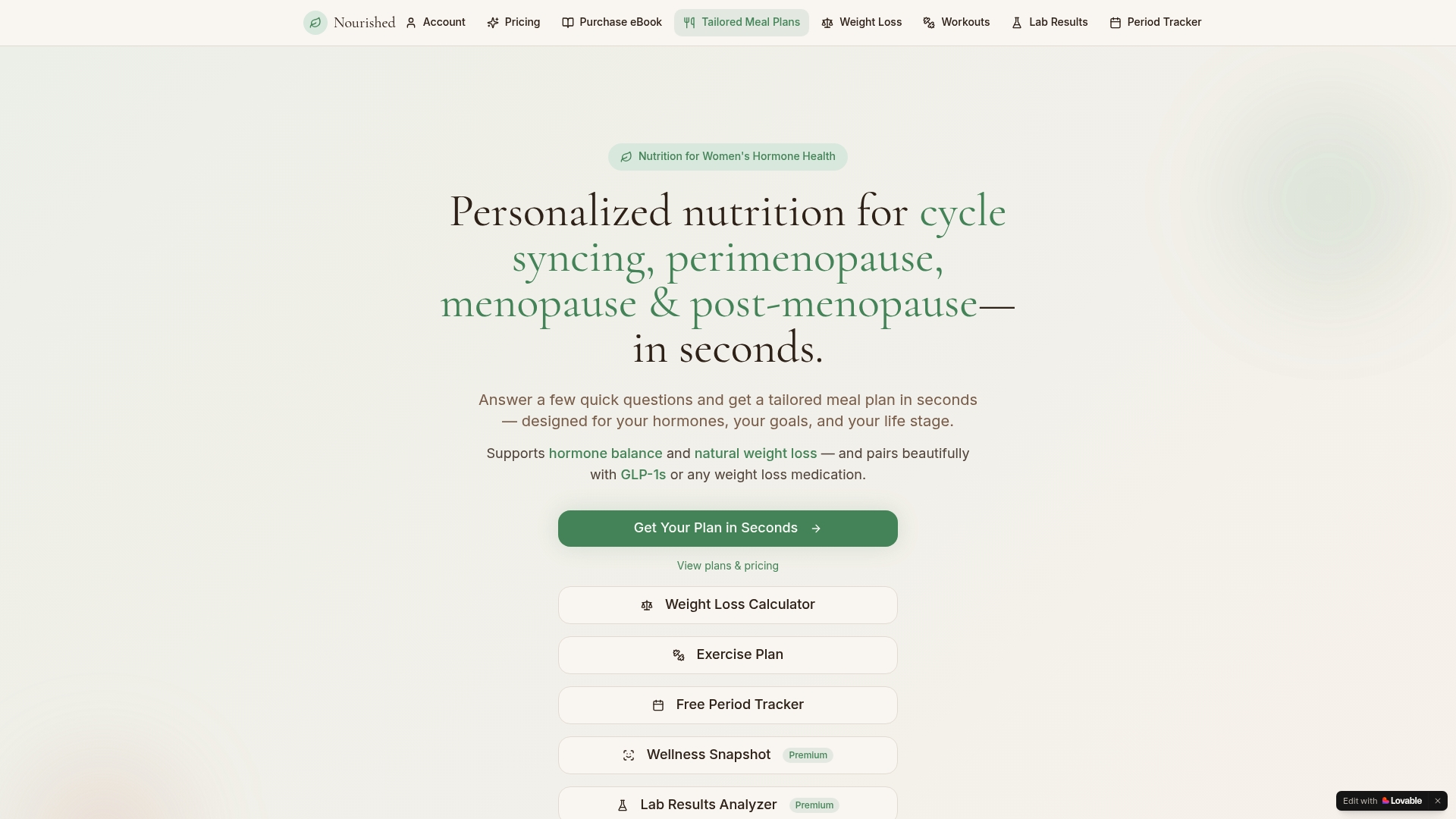
Nourished builds personalized meal plans for women at every hormonal life stage, including perimenopause and menopause, where weight loss medications are increasingly common. The platform uses AI to generate meal plans based on your cycle, hormonal needs, and food preferences, with whole food fiber sources built in from day one. No calorie counting. No guesswork about which foods work with your medication. Nourished also provides research-backed nutrition guidance so every recommendation has science behind it. If you are ready to pair your medication plan with a nutrition approach that actually fits your body, Nourished is where to start.
FAQ
How much fiber should I eat daily on weight loss medication?
Women should aim for 21–38 grams of fiber daily, with at least 21 grams as the minimum target. Increase gradually by 5 grams per week to avoid digestive discomfort.
What is the best fiber supplement for weight loss on GLP-1 medications?
Psyllium husk is the most effective option. It is a viscous, gel-forming fiber that produced 0.89 kg of weight loss over 8 weeks in clinical trials, outperforming other supplements like glucomannan.
How long does it take for fiber supplements to work for weight loss?
Consistent use over at least 8 weeks at 8–10 grams daily is required before meaningful weight changes appear. Blood sugar and gut health improvements begin earlier but may not show on the scale right away.
Can fiber cause problems when combined with GLP-1 medications?
Yes, if you increase fiber too fast or drink too little water. GLP-1 agonists slow gut transit, and adding fiber without adequate hydration worsens constipation. Drink at least 64 ounces of water daily.
Should I get fiber from food or supplements on a weight loss medication plan?
Whole food sources are the priority. Dietitians recommend minimally processed foods like lentils, oats, chia seeds, and vegetables first. Supplements like psyllium husk are useful when food intake falls short of daily targets.