
Hormone-Friendly Foods Each Cycle Phase: A Practical Guide
Nourished · August 2, 2026
Hormone-Friendly Foods Each Cycle Phase: A Practical Guide
During your menstrual phase, prioritize iron and omega-3s. In the follicular phase, lean into fiber, cruciferous vegetables, and fermented foods. At ovulation, antioxidant-rich produce and folate take center stage. The luteal phase calls for complex carbohydrates, magnesium, and B6. At your next meal, try pairing spinach with a squeeze of lemon juice — that single iron-plus-vitamin-C combination is one of the most evidence-backed tweaks in cycle nutrition.
Quick-reference phase priorities:
- Menstrual phase: Iron, omega-3s, magnesium, vitamin C
- Follicular phase: Fiber, cruciferous vegetables, fermented foods, lean protein
- Ovulatory phase: Antioxidants, folate, colorful produce, hydration
- Luteal phase: Complex carbs, magnesium, B6, calcium
Table of Contents
- What is cycle syncing and how does it connect food to your hormones?
- Daily nutrition principles that support hormone balance across all phases
- What to eat during your menstrual phase (Days 1–7)
- What to eat during your follicular phase (Days ~3–12)
- What to eat during your ovulatory phase (Days ~12–16)
- How to manage the luteal phase (Days ~16–28) with food
- How to personalize these recommendations for your situation
- Key Takeaways
- The part most cycle-syncing guides skip
- Nourished makes cycle-aware eating practical from day one
- Useful sources
What is cycle syncing and how does it connect food to your hormones?
Cycle syncing means adjusting your nutrition, movement, and lifestyle habits to match the hormonal shifts happening across your menstrual cycle. The idea is straightforward: because estrogen, progesterone, and other hormones fluctuate in predictable patterns, your body’s nutritional needs shift with them.
A typical menstrual cycle length varies among individuals, often lasting around a month but with normal variation. Each phase has a distinct hormonal fingerprint that shapes your energy, appetite, and recovery.
| Phase | Typical Days | Dominant Hormones | Nutrition Priority |
|---|---|---|---|
| Menstrual | 1–7 | Estrogen & progesterone low | Iron, omega-3s, magnesium |
| Follicular | ~3–12 | Estrogen rising | Fiber, cruciferous veg, fermented foods |
| Ovulatory | ~12–16 | Estrogen peaks, LH surges | Antioxidants, folate, hydration |
| Luteal | ~16–28 | Progesterone dominant | Complex carbs, magnesium, B6, calcium |
The Cleveland Clinic’s cycle-syncing guidance confirms that each phase creates distinct nutritional demands, and that eating to match those demands can help restore lost nutrients and support energy across the month. The mechanism is not magic: hormones are built from nutrients, and giving your body the right raw materials at the right time simply removes friction.

Daily nutrition principles that support hormone balance across all phases
Before phase-specific tweaks matter, a solid daily foundation has to be in place. Think of it as the floor everything else sits on.
Protein at every meal is non-negotiable. Peptide hormones that regulate metabolism, stress, and reproduction depend on amino acids your body cannot synthesize on its own. Aim for 25–35 grams of protein at your main meals to support hormone synthesis and reduce cravings across all phases.
Fiber is equally foundational. A daily intake of 25–35 grams supports the estrobolome, the subset of gut bacteria responsible for metabolizing estrogen. When fiber is low, excess estrogen can be reabsorbed rather than excreted, which contributes to PMS and heavier cycles. One cup of cooked lentils delivers about 16 g on its own.
Healthy fats are where many women still underinvest. Steroid hormones — estrogen, progesterone, testosterone — are built from essential fatty acids. Avocado, olive oil, fatty fish, chia seeds, and nuts all qualify. Aggressive low-fat eating can quietly suppress sex-hormone production over time.
Pro Tip: Pair any iron-rich plant food (lentils, spinach, pumpkin seeds) with a vitamin C source (citrus, bell pepper, strawberries) at the same meal. Vitamin C converts non-heme iron into a form your gut absorbs far more efficiently.
Core daily habits to build around:
- Protein at every meal (eggs, fish, legumes, Greek yogurt)
- Daily servings of ground flaxseeds or chia for fiber and omega-3s
- At least one serving of leafy greens or cruciferous vegetables
- Regular meal timing to keep blood sugar stable (skipping meals amplifies hormonal stress responses)
- Adequate sleep duration — cortisol, leptin, and growth hormone are all regulated during sleep
- Movement variety: strength training plus cardio supports insulin sensitivity and hormone regulation
What to eat during your menstrual phase (Days 1–7)
Estrogen and progesterone drop during your period, triggering the uterine lining to shed. Blood loss can reduce iron levels, and prostaglandins may cause cramping. Energy is often lower, so supporting nutrients include iron (heme and non-heme), vitamin C, omega-3 fatty acids, and magnesium.
| Food | Why It Helps | Easy Serving |
|---|---|---|
| Lentils | Non-heme iron + fiber | 1 cup cooked in soup or salad |
| Spinach / leafy greens | Iron, magnesium, folate | Large handful sautéed or raw |
| Salmon | Omega-3s (EPA/DHA), heme iron | 4 oz fillet, 2–3x/week |
| Flaxseeds | Omega-3s, lignans | 1 tbsp ground, stirred into oats |
| Citrus (oranges, grapefruit) | Vitamin C for iron absorption | Half an orange alongside iron-rich meal |
| Dark chocolate (70%+) | Magnesium, iron | Two squares as a snack |
| Nuts (almonds, walnuts) | Magnesium, healthy fats | Small handful |

Omega-3 fatty acids reduce inflammatory prostaglandin production with consistent intake, which is why salmon, walnuts, chia, and flaxseed show up repeatedly in menstrual-phase guidance; for supplemental support, consider The goddess bundle to enhance women’s wellness. Ginger is worth adding here too — RCT evidence supports 500 mg dried ginger three times daily as a nonpharmacologic option for period pain. A cup of fresh ginger tea or ginger stirred into a smoothie is an easy entry point.
Sample meals:
Breakfast: Oats topped with ground flaxseed, a handful of walnuts, and sliced strawberries. The flax adds omega-3s; the berries supply vitamin C to help with any iron in the oats.
Lunch: Lentil soup with wilted spinach and a squeeze of lemon. Simple, filling, and covers iron plus vitamin C in one bowl.
Snack: Two squares of dark chocolate with a small orange.
Dinner: Baked salmon with roasted sweet potato and steamed broccoli. Covers omega-3s, magnesium, and vitamin C in one plate.
If your flow is consistently heavy or you feel persistently fatigued, ask your doctor to check ferritin levels — iron-deficiency anemia is common and often missed in women of reproductive age.
What to eat during your follicular phase (Days ~3–12)
Estrogen begins rising during the follicular phase as your ovaries prepare to release an egg. Metabolism picks up, mood often improves, and your body is in a relatively anabolic state — meaning it responds well to protein and is primed to build and repair.
The Cleveland Clinic recommends focusing on cruciferous vegetables, fermented foods, lean proteins, and fiber during this window to support liver estrogen metabolism and the estrobolome.
Foods to prioritize:
- Broccoli, cabbage, Brussels sprouts, cauliflower — cruciferous vegetables help the liver process and clear estrogen
- Kimchi, sauerkraut, plain yogurt — fermented foods feed the gut bacteria that metabolize estrogen
- Lentils, eggs, chicken, tofu — lean proteins to support the rising anabolic state
- Avocado, olive oil — healthy fats for hormone synthesis
- Berries (strawberries, blueberries) — antioxidants plus fiber
- Quinoa, brown rice, oats — complex carbs for sustained energy
Sample meals:
Breakfast: Greek yogurt with blueberries and a tablespoon of ground flaxseed. Covers fermented food, antioxidants, and fiber in under five minutes.
Lunch: Grain bowl with quinoa, roasted broccoli, a soft-boiled egg, and a drizzle of olive oil. Hits cruciferous veg, protein, and healthy fat together.

Snack: Sliced avocado on whole-grain crackers with a pinch of sea salt.
This phase tends to tolerate higher-intensity training well, so if you strength train or do HIIT, the follicular window is a natural time to push harder — and protein needs rise accordingly.
What to eat during your ovulatory phase (Days ~12–16)
Estrogen peaks just before ovulation, and luteinizing hormone (LH) surges to trigger egg release. Metabolism is at its highest point in the cycle, energy and mood are often elevated, and oxidative stress increases as the ovary undergoes the physical process of releasing an egg.
The nutritional response: antioxidant-rich foods to counter oxidative stress, continued fiber for estrogen clearance, and folate-rich options for anyone thinking about fertility.
Foods that earn their place here: berries, colorful bell peppers, leafy greens, eggs, salmon, lentils, citrus, walnuts, and asparagus (one of the better folate sources you can find at most grocery stores).
Sample meals:
Breakfast: Scrambled eggs with spinach and sliced orange on the side. Eggs supply folate and choline; spinach adds iron and antioxidants; the orange covers vitamin C.
Lunch: Large salad with mixed greens, strawberries, walnuts, grilled salmon, and a lemon-olive oil dressing. Every ingredient here is pulling double duty.
Snack: A small bowl of blueberries with a handful of almonds. Quick, no prep, and genuinely useful.
Folate matters beyond pregnancy planning. It supports DNA synthesis and cell division, processes that are particularly active around ovulation. Leafy greens, lentils, asparagus, and eggs are all reliable dietary sources.
How to manage the luteal phase (Days ~16–28) with food
Progesterone dominates the luteal phase, and it brings a set of metabolic changes that catch many women off guard. Insulin sensitivity decreases slightly, appetite increases (your body is burning roughly 100–300 more calories per day in the late luteal phase), and aldosterone sensitivity can cause water retention. If the egg is not fertilized, progesterone drops sharply in the final days, often triggering PMS symptoms.
The nutritional strategy is about stabilization: blood sugar, mood, and cravings all respond to the same set of moves.
Priority foods:
- Complex carbohydrates: oats, sweet potato, whole-grain bread, brown rice — pair every serving with protein and fat to blunt blood-sugar spikes
- Magnesium-rich foods: pumpkin seeds, dark chocolate (70%+), leafy greens, black beans — trial evidence supports 200–360 mg elemental magnesium daily for PMS symptom reduction
- B6 sources: chickpeas, potatoes, salmon, bananas — B6 supports serotonin synthesis, which is relevant given progesterone’s effect on mood
- Calcium sources: plain yogurt, sardines, fortified plant milks, kale
Sample meals:
Breakfast: Oatmeal with pumpkin seeds, a spoonful of almond butter, and sliced banana. Magnesium, B6, protein, and complex carbs in one bowl.
Lunch: Baked sweet potato with chickpeas, wilted kale, and tahini. Covers B6, calcium, magnesium, and fiber.
Snack: Two squares of dark chocolate with a small handful of pumpkin seeds. This is not a compromise — it is genuinely the right snack for this phase.
One practical prep trick: cook then cool your rice, potatoes, or legumes before eating them. Cooling cooked starches increases resistant starch content, which improves gut health and slows glucose absorption — exactly what you want when insulin sensitivity is lower. Reheat gently or eat cold in a salad.
Magnesium note: Clinical trials have tested elemental magnesium supplementation daily to support PMS symptom and cramping reduction. Food sources (pumpkin seeds, dark chocolate, leafy greens) contribute meaningfully, but women with severe PMS may benefit from discussing supplementation with a clinician.
How to personalize these recommendations for your situation
The phase guidance above is a starting framework, not a prescription. Individual responses vary considerably, and a few clinical contexts shift the picture enough to be worth addressing directly.
A two-to-three-cycle tracking plan: Use a free cycle tracker to log symptoms, energy, food, and mood for two to three cycles before drawing conclusions. Note which phase correlates with fatigue, cravings, or mood dips. If fatigue is consistent, ask your doctor to check ferritin and serum iron — not just hemoglobin, which can look normal even when iron stores are depleted.
Symptom-to-action guidance:
Heavy flow: Test ferritin. Add iron-rich meals paired with vitamin C at every opportunity. Consider a heme iron source (red meat, sardines) two to three times per week during and after your period.
Intense cravings in the luteal phase: Check protein distribution across the day. Skewing protein toward dinner and skipping it at breakfast is a common pattern that amplifies afternoon and evening cravings. Magnesium intake is also worth reviewing.
Irregular cycles: Nutrition can support regularity, but irregular cycles often have an underlying cause (thyroid dysfunction, PCOS, undereating) that warrants clinical evaluation. Food is not a substitute for diagnosis.
Clinical contexts to know:
Hormonal contraception changes your natural hormone patterns, so the phase model applies less directly. You can still benefit from the foundational principles — protein, fiber, healthy fats, blood-sugar stability — and from tuning into how you feel across the month.
PCOS involves insulin resistance and androgen excess, which shifts priorities toward blood-sugar management at every meal: lower glycemic carbohydrates, consistent protein, and anti-inflammatory fats. The luteal-phase tactics in this guide overlap well with PCOS-friendly eating in general.
Pregnancy changes nutrient needs substantially — folate, iron, iodine, and DHA requirements all increase. Phase-specific eating no longer applies; consult a registered dietitian for trimester-specific guidance.
Seed cycling (rotating flaxseeds and pumpkin seeds in the follicular phase with sesame and sunflower seeds in the luteal phase) is a low-risk, practitioner-used routine with limited clinical evidence. It is not a guaranteed fix, but adding seeds to your diet is unlikely to cause harm and may contribute to fiber and mineral intake.
Key Takeaways
Eating for your cycle works best when a strong daily foundation — protein, fiber, and healthy fats — supports targeted phase-specific adjustments rather than replacing them.
| Point | Details |
|---|---|
| Protein at every meal | Aim for 25–35 g at main meals to support hormone synthesis and reduce cravings across all phases. |
| Iron + vitamin C pairing | Pair spinach, lentils, or red meat with citrus or bell pepper every time during and after your period. |
| Magnesium in the luteal phase | Pumpkin seeds, dark chocolate, and leafy greens support PMS reduction; trials use 200–360 mg daily. |
| Fiber for estrogen clearance | 25–35 g daily fiber supports the estrobolome and prevents excess estrogen recirculation. |
| Nourished for personalized plans | Nourished generates AI-personalized, cycle-aware meal plans with no calorie counting and built-in phase tracking. |
The part most cycle-syncing guides skip
Most articles on cycle nutrition present the four-phase framework as if your body runs on a 28-day clock with predictable precision. It does not. Stress, travel, illness, and sleep disruption all shift phase timing, sometimes by days. Treating the framework as a rigid schedule rather than a loose map is where most women get frustrated and give up.
The more durable insight is this: the phase-specific foods work because they address real physiological needs, not because they are eaten on exactly the right day. Iron-rich foods help whether your period starts on Day 1 or Day 4. Magnesium supports progesterone-driven symptoms whether your luteal phase runs 10 days or 14. The mechanism matters more than the calendar.
There is also a tendency to overcomplicate the food side of this. The women who see the most consistent improvement are not the ones who overhaul their entire diet at once. They are the ones who add one or two targeted foods per phase and build from there. A handful of pumpkin seeds in the luteal phase. Lentil soup during your period. Kimchi with lunch in the follicular window. Small, consistent, and genuinely sustainable.
Diet is one piece of hormonal health. Sleep, stress management, and movement are not optional add-ons — they are co-regulators of the same hormonal systems. If you are eating well by phase but sleeping five hours a night, the food changes will only go so far.
Nourished makes cycle-aware eating practical from day one
Knowing what to eat each phase is one thing. Having a meal plan that actually reflects where you are in your cycle, built around your food preferences and health goals, is another. Nourished generates personalized, hormone-healthy meal plans for women at every life stage — cycle syncing, perimenopause, menopause, and beyond — without calorie counting or restrictive rules.
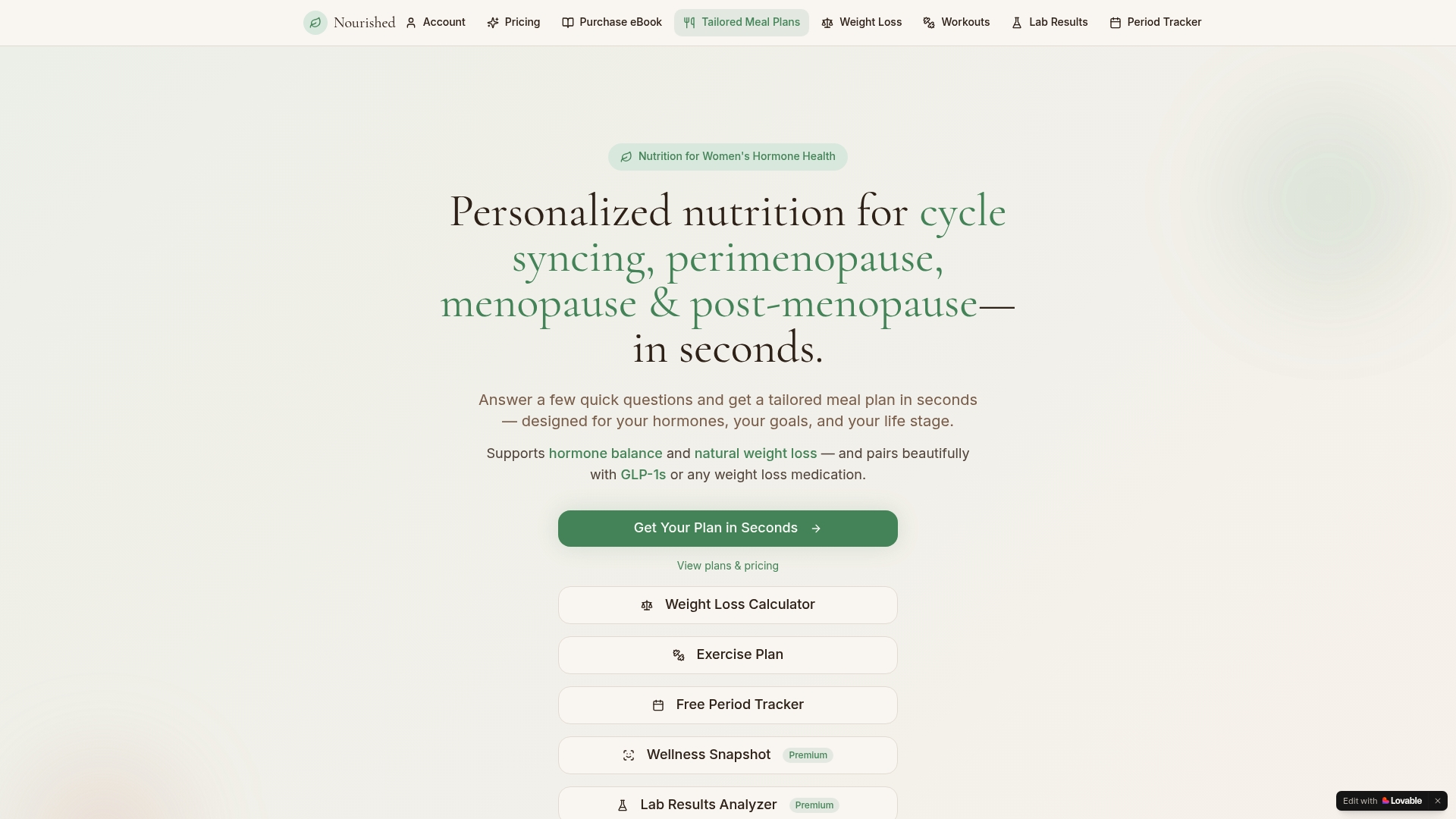
The platform uses AI to adapt your plan to your cycle phase, symptoms, and preferences, so you are not manually cross-referencing a food chart every week. Built-in cycle and phase tracking means your meal suggestions shift as your hormones do. For women managing PCOS, heavy periods, or the transition into perimenopause, the plans account for those contexts specifically.
Nourished is not a replacement for medical care. If you have symptoms that warrant clinical attention — heavy bleeding, severe PMS, irregular cycles — work with your doctor alongside any nutrition changes. For women who want a practical, evidence-informed starting point, explore Nourished’s plans and pricing to see which tier fits your goals.
Useful sources
- Cleveland Clinic — Cycle Syncing Food Guide: Phase-by-phase food priorities; used for menstrual, follicular, and ovulatory phase rationale.
- Diva Dietitian — Nutrition for Hormone Balance: Protein and fiber targets; omega-3 mechanism for prostaglandin reduction.
- mindbodygreen — Week-by-Week Eating Guide: Estrobolome and fiber connection; evidence tempering for cycle-syncing claims.
- Floriva — Cycle Syncing Food Chart: Magnesium trial dosing (200–360 mg); ginger RCT protocol for period pain; foundational nutrition-first framing.
- BBC Good Food — What to Eat During Your Menstrual Cycle: Resistant starch tip for luteal-phase blood-sugar management.
- UChicago Medicine AdventHealth — How to Balance Hormones Naturally: Steroid hormone synthesis from healthy fats; cruciferous vegetable and fiber mechanisms.
- Trinity Health Michigan — Cycle Syncing Through Your Menstrual Phases: Phase timing and hormonal context; contraception and PCOS notes.
- Dr. Breanna Guan — Cycle Syncing 101: Seed cycling as a low-risk, limited-evidence optional practice.
This article is general nutrition information, not medical advice. Confirm any dietary changes with a registered dietitian or your healthcare provider, particularly if you have a diagnosed condition or are pregnant.