
How Inflammation Affects Weight Loss: What Women Need to Know
Nourished · July 17, 2026
How Inflammation Affects Weight Loss: What Women Need to Know
Chronic inflammation is a direct biological barrier to weight loss, not just a symptom of carrying extra weight. The weight loss inflammation connection works through a cascade of hormonal and metabolic disruptions: elevated cytokines like TNF-α and IL-6 impair insulin signaling, leptin resistance blunts hunger regulation, and adipose tissue becomes an active source of immune activation. Obesity-related inflammation is clinically marked by a BMI of 28 kg/m² or higher and waist circumference thresholds of 90 cm in men and 85 cm in women. Understanding this biology explains why calorie restriction alone often fails to produce lasting results.
How does inflammation affect weight loss biologically?
Adipose tissue is not passive fat storage. It functions as an endocrine organ, releasing pro-inflammatory cytokines that interfere with the body’s ability to burn fat and regulate appetite. When fat cells expand, they recruit immune cells called macrophages, which amplify the inflammatory signal and create a self-reinforcing cycle of metabolic disruption.
The key inflammatory mediators in this process are TNF-α, IL-6, and C-reactive protein (CRP). These cytokines are consistently elevated in obesity and directly contribute to insulin resistance and impaired weight loss. Insulin resistance means glucose cannot enter cells efficiently, so the body stores more energy as fat instead of burning it.

Leptin resistance compounds the problem. Leptin is the hormone that signals fullness to the brain. Chronic inflammation disrupts leptin signaling in the hypothalamus, so the brain never receives a clear “stop eating” message. The result is persistent hunger even when caloric needs are met.
Metaflammation is the clinical term for this low-grade, chronic, metabolically driven inflammation. It differs from the acute inflammation you experience after an injury. Metaflammation operates silently, degrading mitochondrial function and reducing the body’s overall energy expenditure. Less efficient mitochondria mean fewer calories burned at rest, which makes every weight loss effort harder.
Pro Tip: Track waist circumference alongside body weight. Waist measurements above clinical thresholds are a more reliable signal of metabolic inflammation than the scale alone.
Key mechanisms by which inflammation obstructs weight loss:
- Insulin resistance: Elevated TNF-α blocks insulin receptor signaling, promoting fat storage over fat burning.
- Leptin resistance: Hypothalamic inflammation prevents the brain from reading satiety signals correctly.
- Reduced mitochondrial efficiency: Chronic cytokine exposure impairs cellular energy production.
- Appetite dysregulation: Neuroinflammation alters hunger hormones, increasing cravings for high-calorie foods.
- Adipokine imbalance: Inflamed fat tissue produces less adiponectin, a hormone that supports fat metabolism.
What dietary patterns drive or reduce inflammation?
Diet is the most modifiable driver of chronic inflammation. The Dietary Inflammatory Index (DII) quantifies how pro-inflammatory or anti-inflammatory an overall eating pattern is. Higher DII scores increase overweight and obesity risk by 32% over eight years. That figure means the inflammatory quality of your diet predicts weight gain more reliably than calorie counts alone.

Saturated fats and trans fats promote inflammation by activating immune pathways in adipose tissue. Omega-3 polyunsaturated fatty acids (PUFAs), found in fatty fish, flaxseed, and walnuts, do the opposite. Improving the omega-6 to omega-3 ratio through increased EPA and DHA intake enhances the body’s production of specialized pro-resolving mediators, which actively reduce adipose inflammation and improve insulin sensitivity.
Fiber and polyphenols work through the gut microbiota. A diverse, fiber-rich microbiome produces short-chain fatty acids that suppress pro-inflammatory cytokine secretion. Low-glycemic diets rich in fiber and polyphenols reduce CRP and IL-6 levels in clinical trials, independently of weight loss. This means the anti-inflammatory benefit arrives before the scale moves.
| Dietary factor | Effect on inflammation |
|---|---|
| Saturated and trans fats | Increase TNF-α, IL-6, and CRP; promote insulin resistance |
| Omega-3 PUFAs (EPA/DHA) | Reduce adipose inflammation; improve insulin sensitivity |
| Refined carbohydrates | Spike blood glucose; trigger inflammatory cytokine release |
| Fiber and polyphenols | Lower CRP and IL-6; support gut microbiota diversity |
| Low-glycemic whole foods | Reduce systemic inflammation independent of calorie intake |
Clinical guidelines recommend keeping total dietary fat below 30% of total energy intake, with a strong emphasis on replacing saturated fat with long-chain omega-3 PUFAs. This is not about eating less fat overall. It is about choosing fats that resolve inflammation rather than fuel it.
Pro Tip: Shifting focus from calorie counting to dietary quality modulates gut microbiota, reduces pro-inflammatory cytokine secretion, and improves satiety. This approach supports sustainable weight loss more reliably than restriction alone.
Can inflammation create a cycle that makes weight loss harder?
Chronic inflammation and weight gain reinforce each other in a loop that becomes harder to break the longer it persists. Here is how the cycle builds:
- Excess adipose tissue accumulates. Expanding fat cells trigger local immune activation and recruit macrophages into fat tissue.
- Macrophages release pro-inflammatory cytokines. TNF-α, IL-6, and resistin enter systemic circulation, impairing insulin and leptin signaling throughout the body.
- Metabolic memory sets in. Adipocyte hypertrophy generates persistent cytokine release, creating lasting metabolic dysregulation that continues even after calorie reduction begins.
- Neuroinflammation disrupts hunger control. Hypothalamic inflammation impairs the brain’s ability to regulate appetite, making it biologically harder to eat less.
- Weight regain becomes more likely. Persistent low-grade inflammation promotes resistance to weight loss and increases the probability of regaining lost weight.
The concept of “metabolically healthy obesity” versus “metabolically unhealthy obesity” is relevant here. Not all people with elevated BMI have the same inflammatory profile. Distinguishing these phenotypes depends on inflammation intensity, and early identification through dietary quality improvement can prevent progression to the more harmful state. Women in perimenopause and menopause face a compounding factor: hormonal shifts accelerate adipose tissue inflammation, making the cycle harder to interrupt without addressing both nutrition and hormonal context.
What are practical strategies to reduce inflammation and support weight loss?
Reducing inflammation for weight loss requires consistent lifestyle changes across diet, movement, and stress management. No single food or supplement breaks the cycle alone.
Dietary strategies:
- Adopt a Mediterranean-style eating pattern rich in vegetables, legumes, whole grains, olive oil, and fatty fish.
- Replace refined carbohydrates with low-glycemic alternatives like lentils, oats, and sweet potatoes.
- Increase EPA and DHA intake through two to three servings of fatty fish per week or a high-quality fish oil supplement.
- Add polyphenol-rich foods daily: berries, green tea, dark leafy greens, and turmeric.
- Limit ultra-processed foods, which consistently elevate CRP and IL-6 regardless of calorie content.
Anti-inflammatory dietary patterns reduce cardiovascular risk markers and inflammatory cytokines including IL-6, IL-18, and TNF-α, while also improving metabolic parameters. The metabolic benefit is not just about weight. It extends to blood sugar stability, cardiovascular health, and hormonal balance.
Movement and stress:
Regular aerobic exercise reduces circulating CRP and IL-6 within weeks of consistent practice. Resistance training improves insulin sensitivity by increasing glucose uptake in muscle tissue, reducing the metabolic burden on fat cells. Chronic psychological stress elevates cortisol, which in turn promotes visceral fat accumulation and amplifies inflammatory signaling. Practices like yoga, diaphragmatic breathing, and consistent sleep schedules all reduce cortisol and lower the inflammatory baseline.
Clinical tools:
Multi-cytokine panels measuring TNF-α, leptin, resistin, adiponectin, and IL-6 together provide a more accurate picture of metabolic inflammation than any single marker. Women working with a clinician on weight management benefit from requesting a full panel rather than CRP alone.
Pro Tip: Aim for a consistent sleep schedule of seven to nine hours per night. Sleep deprivation elevates IL-6 and TNF-α within 24 hours, directly worsening the inflammatory state that blocks fat loss.
What does current research still debate about inflammation and weight loss?
The science on inflammation and weight is strong in direction but still developing in specifics. Several important questions remain open.
- Causation versus correlation: Obesity and inflammation co-occur reliably, but separating which drives which remains methodologically difficult. Most studies are observational, making it hard to confirm that reducing inflammation causes weight loss rather than the reverse.
- The adaptive role of metaflammation: Early metaflammation may serve homeostatic purposes, helping the body adapt to energy surplus. The transition from adaptive to pathological inflammation is not fully mapped, and targeting it too aggressively could interfere with normal metabolic regulation.
- Marker reliability: CRP, IL-6, and TNF-α lack sufficient standalone diagnostic power for tracking systemic inflammation in clinical weight management. Multi-marker panels are more informative but not yet standard practice.
- Emerging immunometabolic therapies: Researchers are investigating targeted anti-inflammatory agents that could interrupt the metabolic-inflammatory cycle without the side effects of broad immunosuppression. These therapies are not yet available outside clinical trials.
- Need for longitudinal data: Most dietary intervention studies run for weeks to months. Long-term mechanistic studies tracking inflammation, weight, and metabolic outcomes over years are still limited.
The practical implication is that the field supports anti-inflammatory lifestyle changes with confidence, while remaining cautious about pharmaceutical shortcuts that target single cytokines.
Key Takeaways
Chronic inflammation directly impairs weight loss by disrupting insulin sensitivity, leptin signaling, and mitochondrial function, making dietary quality and lifestyle consistency the most effective tools for breaking the cycle.
| Point | Details |
|---|---|
| Inflammation blocks fat loss | Elevated TNF-α, IL-6, and CRP impair insulin and leptin signaling, making fat burning harder. |
| Diet quality predicts obesity risk | Higher Dietary Inflammatory Index scores increase obesity risk by 32% over eight years. |
| The cycle is self-reinforcing | Adipose inflammation creates metabolic memory, promoting weight regain even after calorie reduction. |
| Omega-3s are a key lever | Improving the omega-6 to omega-3 ratio reduces adipose inflammation and improves insulin sensitivity. |
| Single markers are not enough | Multi-cytokine panels provide more accurate inflammation assessment than CRP or IL-6 alone. |
What I’ve learned about inflammation that most weight loss advice ignores
Most weight loss advice treats inflammation as a side effect of being overweight, something that resolves once the pounds come off. My experience working with women across different hormonal life stages tells a different story. Inflammation is often the reason the weight won’t come off in the first place.
The women I see who struggle most with weight loss are not eating dramatically more than those who succeed. They are eating in ways that keep their inflammatory baseline chronically elevated: high in refined carbohydrates, low in fiber, and short on omega-3s. Their bodies are fighting a low-grade immune battle 24 hours a day, and that battle consumes metabolic resources that should be going toward fat oxidation.
What actually moves the needle is shifting the focus from restriction to food quality. When women replace ultra-processed foods with fiber-rich whole foods and add two to three servings of fatty fish per week, inflammatory markers start improving within weeks. The scale often follows, but the more immediate change is in energy, sleep quality, and hunger regulation. Those changes are the biological signal that the inflammatory cycle is breaking.
The hardest part is patience. Metabolic memory means the body holds onto its inflammatory patterns even after dietary changes begin. Consistency over three to six months produces results that two weeks of clean eating never will. That timeline is not a failure of willpower. It is the biology of a system that took years to reach its current state.
— Brittany
How Nourished approaches inflammation and women’s weight health
Managing inflammation through food is not one-size-fits-all, especially for women navigating hormonal shifts across the menstrual cycle, perimenopause, and menopause. Nourished builds meal plans around the specific nutritional needs of each hormonal phase, prioritizing anti-inflammatory foods, fiber, and omega-3 rich sources without calorie counting or restrictive rules.
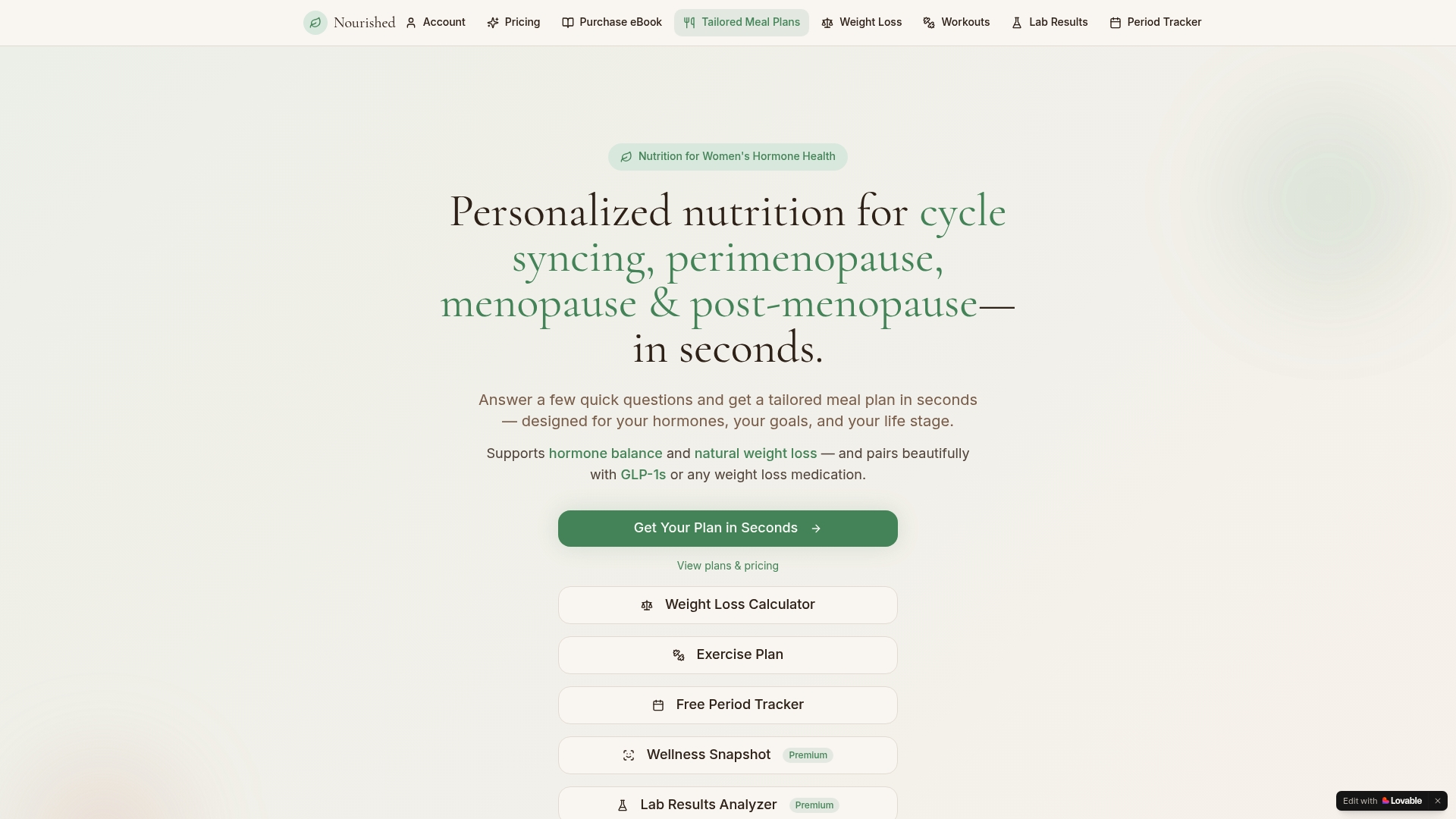
Nourished uses AI to generate personalized nutrition plans that adapt to your cycle and life stage, making it practical to eat in a way that reduces chronic inflammation consistently. The science behind Nourished draws on the same clinical research connecting dietary quality to inflammatory markers and metabolic health. Women who want to understand how their nutrition plan works can explore the full Nourished tutorial to see how hormone-healthy eating translates into daily meals.
FAQ
Does inflammation directly cause weight gain?
Chronic inflammation promotes weight gain by driving insulin resistance and leptin resistance, which increase fat storage and impair hunger regulation. The relationship is bidirectional: excess fat tissue also generates more inflammation.
What foods reduce inflammation for weight loss?
Fatty fish, berries, leafy greens, legumes, olive oil, and whole grains all lower inflammatory markers like CRP and IL-6. Low-glycemic, fiber-rich diets reduce systemic inflammation independent of calorie intake.
How long does it take to reduce inflammation through diet?
Clinical trials show measurable reductions in CRP and IL-6 within weeks of adopting an anti-inflammatory eating pattern. Sustained metabolic improvement typically requires three to six months of consistent dietary changes.
Can you lose weight without addressing inflammation?
Calorie restriction alone can produce short-term weight loss, but chronic inflammation increases the risk of weight regain by disrupting metabolic signaling. Addressing inflammation improves the durability of weight loss results.
What is metaflammation?
Metaflammation is a chronic, low-grade, metabolically driven form of inflammation linked to obesity and insulin resistance. Unlike acute inflammation from injury, it operates silently and persistently, impairing fat metabolism and hormonal regulation.