
Inflammation Reduction Strategies Post-Menopause
Nourished · August 5, 2026
Inflammation Reduction Strategies Post-Menopause
The most effective non-hormonal approach to reducing chronic inflammation after menopause combines a Mediterranean or DASH-style eating pattern, regular aerobic and resistance exercise, consistent sleep, stress management, gut microbiome support, and selective supplements where evidence is solid. No single food or pill does the job alone. The Cleveland Clinic notes that some women notice symptom improvements within a few weeks of dietary changes, while measurable shifts in inflammatory biomarkers typically take several months. The Journal of Mid-life Health and Harvard’s Nutrition Source both support a pattern-based approach over any single-ingredient fix.
Quick-start checklist (days 1–7):
- Swap one ultra-processed meal per day for a whole-food alternative (oatmeal with berries instead of sugary cereal; grilled salmon instead of deli meat).
- Walk 20–30 minutes every day, even if broken into two sessions.
- Add one fermented food daily: plain yogurt, kefir, or a small serving of kimchi.
- Set a consistent bedtime and dim screens 60 minutes before it.
- Cut added sugar to under 25 grams per day by reading labels on packaged foods.
- Limit alcohol to one drink or fewer per day, or skip it entirely this week.
- Do one 10-minute body-weight strength session (squats, wall push-ups, glute bridges).
If you experience new chest pain, sudden severe fatigue, rapidly worsening joint swelling, or any symptom that feels acute and unexplained, contact a clinician before making major lifestyle changes.
Table of Contents
- Why does inflammation rise after menopause?
- How does chronic inflammation show up after menopause?
- What should you eat to lower inflammation after menopause?
- How does gut health affect inflammation after menopause?
- What kind of exercise lowers inflammation most effectively?
- How do sleep and stress affect inflammation after menopause?
- How does weight and metabolic health drive inflammation?
- Which supplements actually help with post-menopause inflammation?
- When should you see a clinician about inflammation?
- How personalized nutrition helps you apply these strategies
- Key Takeaways
- Personalized plans that put these strategies into practice
- Authoritative sources and further reading
Why does inflammation rise after menopause?
Estrogen is a natural brake on immune activation. When it declines at menopause, that brake loosens, and baseline inflammatory signaling rises. Two processes drive most of the damage: first, the direct loss of estrogen’s immune-modulating effects; second, the metabolic shifts that follow, including increased visceral fat accumulation and worsening insulin sensitivity, both of which produce pro-inflammatory cytokines like IL-6 and TNF-alpha.

Researchers call the slow, age-related rise in background inflammation “inflammaging.” It is not the sharp, purposeful inflammation that heals a cut. It is a low-grade, persistent immune activation that quietly raises the risk of cardiovascular disease, metabolic dysfunction, and cognitive decline over years. The Journal of Mid-life Health identifies the gut-immune-brain axis as a central regulator of this process in post-menopausal women. Estrogen loss alters the gut microbiome, which in turn affects how the immune system reads and responds to the body’s own tissues.
The practical implication: diet, movement, sleep, and stress management are not lifestyle extras. They directly target the biological mechanisms that estrogen used to handle. The Journal of Mid-life Health also notes a “window of opportunity” — lifestyle interventions adopted early in the post-menopausal transition, before inflammaging and arterial changes are well established, produce meaningfully larger benefits than the same changes made a decade later.
How does chronic inflammation show up after menopause?
Joint pain and stiffness are often the first things women notice, particularly in the hands, knees, and hips. Fatigue that does not resolve with rest, brain fog, disrupted sleep, and progressive weight gain around the abdomen are all common manifestations of low-grade systemic inflammation. Over the longer term, the same inflammatory pathways raise the risk of cardiovascular disease, type 2 diabetes, and accelerated bone loss.
The key distinction from acute inflammation is the absence of a clear trigger and the absence of resolution. Acute inflammation is loud and purposeful. Low-grade chronic inflammation is quiet and cumulative, which is exactly why it is easy to dismiss as “just aging” until a lab result or a diagnosis makes it concrete.
Seek prompt medical evaluation if you experience any of the following:
- New or unexplained chest pain or pressure
- Sudden breathlessness at rest or with minimal exertion
- Severe, rapidly worsening fatigue that is different from your baseline
- Progressive joint swelling, redness, or warmth in multiple joints
- Unexplained significant weight loss over weeks
- New focal neurologic symptoms (numbness, weakness, vision changes)
Realistic timeline: some women notice improvements in energy and joint comfort within a few weeks of consistent dietary and lifestyle changes. Measurable reductions in inflammatory markers like C-reactive protein (CRP) typically take several months of sustained effort.
What should you eat to lower inflammation after menopause?
The Harvard Nutrition Source is direct on this: there is no single anti-inflammatory food. What works is a pattern. Mediterranean and DASH-style eating both emphasize whole, minimally processed foods, and the research consistently shows that the synergy of the whole diet matters more than any individual ingredient. For post-menopausal women specifically, protein distribution across meals also matters for preserving muscle mass as estrogen-supported muscle maintenance declines.
Sample day:
- Breakfast: Plain Greek yogurt (3/4 cup) with 1/2 cup mixed berries, 1 tablespoon ground flaxseed, and a small handful of walnuts. High in protein, fiber, and omega-3s.
- Lunch: Large salad with leafy greens, chickpeas (1/2 cup), cucumber, cherry tomatoes, olive oil and lemon dressing, plus 3 oz canned wild salmon. Aim for at least 25 grams of protein.
- Snack: Apple with 2 tablespoons almond butter, or a small handful of mixed nuts.
- Dinner: Baked or grilled salmon (4–5 oz) with roasted broccoli and sweet potato, drizzled with extra-virgin olive oil. A serving of whole-grain farro or quinoa rounds out the fiber.
Foods to favor vs. limit:
| Favor | Limit |
|---|---|
| Vegetables and fruit (aim for 7–9 servings daily) | Ultra-processed snacks, packaged baked goods |
| Fatty fish: salmon, sardines, mackerel (2–3x/week) | Processed and cured meats (hot dogs, deli meats) |
| Whole grains: oats, quinoa, farro, brown rice | Refined grains: white bread, white pasta, pastries |
| Legumes: lentils, chickpeas, black beans | Fried foods and fast food |
| Nuts and seeds: walnuts, almonds, flaxseed, chia | Sweetened beverages and added sugars |
| Extra-virgin olive oil as primary cooking fat | Partially hydrogenated and highly refined seed oils |
| Fermented foods: yogurt, kefir, kimchi, sauerkraut | Alcohol (limit to one drink or fewer per day) |
Practical swaps:
- Sugary breakfast cereal → Greek yogurt with berries and walnuts
- Afternoon chips → a small handful of mixed nuts or hummus with vegetables
- White pasta → whole-grain pasta or lentil pasta with a vegetable-heavy sauce
- Soda or juice → sparkling water with a squeeze of citrus
- Processed deli meat sandwich → a grain bowl with canned salmon or hard-boiled eggs
A note on phytoestrogens: soy foods (edamame, tofu, tempeh) contain isoflavones that interact with estrogen receptors and may offer modest anti-inflammatory benefits for some women. The evidence is not definitive for everyone, and gut bacteria influence how isoflavones are metabolized, so individual responses vary. They are worth including as part of a varied plant-rich diet rather than as a targeted supplement.
How does gut health affect inflammation after menopause?
Supporting your gut microbiome is one of the most direct levers you have for managing systemic inflammation. The Journal of Mid-life Health identifies the gut-immune-brain axis as a primary regulator of inflammaging in post-menopausal women, and estrogen loss itself alters microbial diversity in ways that amplify inflammatory signaling.

The practical target is diversity. Aim for 25 or more different plant foods per week. That sounds like a lot until you count spices, herbs, nuts, and seeds alongside vegetables, fruits, and grains. A tablespoon of mixed seeds on your yogurt, a handful of fresh herbs on your salad, and a different grain each week all count.
Gut-supporting food checklist:
- Fermented foods daily: plain yogurt, kefir, kimchi, sauerkraut, miso, or kombucha (low-sugar)
- Prebiotic fiber sources: garlic, onions, leeks, asparagus, oats, bananas, Jerusalem artichokes
- Diverse legumes: rotate between lentils, black beans, chickpeas, and edamame across the week
- Colorful vegetables: aim for at least three different colors per day
- Whole grains: oats, barley, and rye are particularly high in beta-glucan fiber
On probiotic supplements: the evidence is strain-specific. Lactobacillus acidophilus and Bifidobacterium longum have the most research behind them for general gut health, but no single supplement replaces dietary diversity. A short course of a well-researched probiotic may help after antibiotic use or during a period of gut disruption. If you are immunocompromised or managing a chronic condition, discuss probiotic use with your clinician before starting.
Targeted removal of highly processed trigger foods often produces symptom improvements within a few weeks. Removing one category at a time (added sugars first, then refined grains) makes it easier to identify what your gut responds to.
What kind of exercise lowers inflammation most effectively?
Both aerobic activity and resistance training are necessary. Aerobic exercise reduces visceral fat, which is one of the primary sources of pro-inflammatory cytokines in post-menopausal women. Resistance training preserves and rebuilds muscle mass, which improves insulin sensitivity and metabolic health. The Frontiers in Endocrinology systematic review confirms that combining structured exercise with targeted nutrition produces synergistic benefits for inflammation and metabolic regulation in post-menopausal women. Consistency matters more than intensity, especially at the start.
Sample weekly plan (beginner to intermediate):
- Monday: 30-minute brisk walk + 10-minute body-weight strength circuit
- Tuesday: 20–30 minutes of gentle yoga or stretching
- Wednesday: 30-minute brisk walk or low-impact cardio (cycling, swimming)
- Thursday: 20-minute resistance session (see routine below)
- Friday: 30-minute walk + 10 minutes of balance work (single-leg stands, heel-to-toe walking)
- Saturday: Active rest: gardening, hiking, dancing, or a longer walk (45 minutes)
- Sunday: Full rest or gentle stretching
Beginner strength routine (2–3x per week):
- Bodyweight squats: 3 sets of 10–12 reps. Progress to holding light dumbbells (5–10 lbs) when 12 reps feel easy.
- Wall push-ups or incline push-ups: 3 sets of 8–10 reps. Progress to floor push-ups over 4–6 weeks.
- Glute bridges: 3 sets of 12 reps. Add a resistance band above the knees for progression.
- Seated or standing dumbbell rows: 3 sets of 10 reps with light dumbbells or a resistance band.
- Standing calf raises: 2 sets of 15 reps. Useful for bone density and balance.
Pro Tip: Track functional progress rather than scale weight alone. Can you walk a mile faster than last month? Climb stairs without knee pain? Sleep through the night more often? These are the real markers of reduced inflammation, and they often shift weeks before the scale does.
How do sleep and stress affect inflammation after menopause?
Sleep and stress management are not soft lifestyle add-ons. Poor or inconsistent sleep directly raises inflammatory markers and worsens hormone balance, according to clinical resources reviewed by Alloy. Chronic stress keeps cortisol elevated, which in turn sustains inflammatory signaling. For post-menopausal women, who already face disrupted sleep from night sweats and hormonal shifts, the inflammatory burden from poor sleep compounds quickly.
Sleep hygiene checklist:
- Set a consistent bedtime and wake time, even on weekends (7–9 hours is the target)
- Keep the bedroom cool (around 65–68°F) and as dark as possible
- Avoid screens for 60 minutes before bed; blue light delays melatonin release
- Limit alcohol in the evening — it fragments sleep architecture even when it helps you fall asleep initially
- Avoid caffeine after 2 PM
Three stress-reduction practices to use daily:
Box breathing (4 minutes): Inhale for 4 counts, hold for 4, exhale for 4, hold for 4. Repeat 4–6 cycles. Use it before bed or during a stressful moment. It directly activates the parasympathetic nervous system and lowers cortisol.
Guided mindfulness (10 minutes): Apps like Calm or Insight Timer offer free guided sessions. Even 10 minutes of focused breath awareness has been shown to reduce perceived stress. The Journal of Mid-life Health found that mind-body practices including yoga, pranayama, and mindfulness meditation reduced CRP and IL-6 in midlife populations and modulated the hypothalamic-pituitary-adrenal axis.
Progressive muscle relaxation (10 minutes): Starting at your feet, tense each muscle group for 5 seconds, then release for 30 seconds, working upward to your face. It is particularly effective for women who carry physical tension from stress and find it hard to “switch off” at night.
If you suspect sleep apnea (waking unrefreshed, loud snoring, gasping episodes reported by a partner), or if insomnia has persisted for more than three months despite good sleep hygiene, bring it to your clinician. Untreated sleep apnea is an independent driver of systemic inflammation and cardiovascular risk.
How does weight and metabolic health drive inflammation?
Visceral fat, the fat stored around abdominal organs rather than under the skin, is metabolically active. It secretes pro-inflammatory cytokines continuously, which is why central weight gain after menopause is not just a cosmetic concern. Even modest weight loss of 5–10% of body weight can meaningfully lower inflammatory markers and improve insulin sensitivity.
The goal is not rapid weight loss. Crash dieting raises cortisol and can accelerate muscle loss, both of which worsen inflammation. The target is steady, sustainable metabolic improvement through the same dietary and movement strategies already described.
Practical metabolic health checklist:
- Discuss fasting glucose and HbA1c targets with your clinician (general healthy ranges: fasting glucose under 100 mg/dL, HbA1c under 5.7%)
- Measure waist circumference: a measurement above 35 inches in women is associated with elevated cardiometabolic risk
- Distribute protein across all three meals (aim for 25–30 grams per meal) to support muscle retention and satiety
- Replace refined carbohydrates with fiber-rich whole grains and legumes to blunt blood sugar spikes
- Add interval walking: alternate 2 minutes of brisk pace with 1 minute of easy pace for 20–30 minutes, three times per week
Alcohol raises triglycerides, disrupts sleep, and adds empty calories that preferentially convert to visceral fat. Limiting it to one drink or fewer per day is a high-value change. Smoking is the single most damaging lifestyle factor for systemic inflammation and cardiovascular risk. The Office on Women’s Health identifies quitting smoking as the most important step post-menopausal women can take for their overall health. If you smoke, connecting with a cessation program is the highest-return action on this list.
Reducing exposure to environmental toxins also matters at the margins. Household cleaning products, synthetic fragrances, and certain plastics (particularly those containing BPA or phthalates) have been linked to low-grade inflammatory and endocrine-disrupting effects. Switching to fragrance-free cleaning products, using glass or stainless-steel food containers, and filtering tap water are practical, low-effort steps.
Which supplements actually help with post-menopause inflammation?
Three supplements have the strongest evidence for post-menopausal inflammation: omega-3 fatty acids, vitamin D (when deficient), and curcumin. The Frontiers in Endocrinology review highlights polyphenols, phytoestrogens, omega-3s, and vitamin D as the most studied nutraceuticals in this population, while noting that clinical evidence remains heterogeneous and dosage standardization is an ongoing challenge.
Omega-3 fatty acids (EPA + DHA) Evidence level: strong for cardiovascular and inflammatory markers. Typical dose range discussed in major reviews: 1,000–3,000 mg of combined EPA and DHA daily. Food sources (fatty fish 2–3x per week) are preferable; supplements are a reasonable addition. Caution: omega-3s have mild blood-thinning effects and may interact with anticoagulants like warfarin. Discuss with your clinician if you are on blood thinners.
Vitamin D Evidence level: strong for deficiency correction; more modest for inflammation reduction in women who are already replete. Post-menopausal women are at high risk for deficiency, which independently raises inflammatory markers and accelerates bone loss. A blood test (25-OH vitamin D) is the only way to know your level. Typical supplementation ranges: 1,000–2,000 IU daily for maintenance; higher doses only under clinician guidance. Toxicity is possible at very high doses.
Curcumin (from turmeric) Evidence level: promising. A randomized controlled trial published in PMC found that curcumin supplementation reduced inflammatory and oxidative stress biomarkers in healthy post-menopausal women. Bioavailability is the main limitation of standard curcumin; formulations with piperine (black pepper extract) or phospholipid complexes improve absorption. Typical doses studied: 500–1,500 mg daily of curcuminoids. Caution: may interact with blood thinners and certain chemotherapy agents.
When you see your clinician, bring your current medication list and any supplements you are already taking. Ask about testing CRP (high-sensitivity), fasting glucose, HbA1c, fasting lipids, and 25-OH vitamin D. These are the baseline markers most relevant to inflammation and metabolic health after menopause.
A brief note on menopausal hormone therapy (MHT): MHT has documented anti-inflammatory effects and may be appropriate for some women, particularly in the early post-menopausal window. Whether it is right for you depends on your personal health history and risk profile. Discuss it with a menopause-informed clinician rather than ruling it in or out based on general information.
When should you see a clinician about inflammation?
Lifestyle changes are powerful, but some symptoms require medical evaluation before or alongside them. Contact a clinician promptly if you experience any of the following:
- Chest pain, pressure, or tightness, especially with exertion
- Breathlessness at rest or with minimal activity
- Sudden or rapidly worsening fatigue that is distinctly different from your usual energy level
- Progressive, unexplained weight loss over several weeks
- New focal neurologic symptoms: numbness, weakness, sudden vision changes, or difficulty speaking
- Multiple joints that are swollen, warm, and stiff for more than six weeks (possible autoimmune condition)
Questions to bring to your appointment:
- Can we check my high-sensitivity CRP, ESR, fasting glucose, HbA1c, fasting lipids, and vitamin D?
- Based on my waist circumference and metabolic labs, do I meet criteria for metabolic syndrome?
- Is a referral to a menopause clinic or a sleep study appropriate for me?
- Are any of my current medications contributing to inflammation or weight gain?
Prepare for the appointment by bringing a brief symptom diary (when symptoms occur, severity, what makes them better or worse), your current medication and supplement list, and a note of the dietary and activity changes you have already tried. A clinician who can see what you have done is far better positioned to suggest what to add or investigate next.
For lab changes specifically: some symptom improvements can appear within 2–3 weeks of consistent lifestyle changes. Inflammatory markers like CRP commonly take several months to shift meaningfully. See healthcare guidelines on age-related inflammation for a summary of clinician approaches to integrative strategies.
How personalized nutrition helps you apply these strategies
Knowing what to do and consistently doing it are two different problems. Personalized meal and workout plans that account for your hormone stage, food preferences, activity level, and metabolic goals improve adherence in a way that generic advice rarely does. When a plan is built around your specific situation — not a 45-year-old average — it is easier to follow and more likely to target the inflammation drivers that matter most for you.
Nourished is built specifically for women navigating perimenopause, menopause, and post-menopause. The platform uses AI to generate hormone-adaptive meal plans and workout suggestions based on your life stage, preferences, and goals, without calorie counting or restrictive rules. It layers phase tracking, targeted protein and fiber distribution, and simple strength routines into a single tool you can access from your phone.
What Nourished offers for post-menopausal inflammation:
- Personalized meal templates aligned with Mediterranean and DASH principles
- Grocery guidance that makes anti-inflammatory eating practical week to week
- Hormone-adaptive workout plans combining aerobic and resistance sessions
- Food and lab trackers to monitor progress over time
- Wellness insights and downloadable resources tailored to your life stage
Nourished is a nutrition and wellness tool, not a medical service. Discuss major dietary changes, new supplements, or persistent symptoms with your clinician.
Key Takeaways
Combining an anti-inflammatory eating pattern, consistent movement, quality sleep, gut microbiome support, and targeted supplements where evidence is solid gives post-menopausal women the most effective non-hormonal approach to reducing chronic inflammation.
| Point | Details |
|---|---|
| Diet pattern over single foods | Mediterranean and DASH-style eating lower CRP and improve quality of life more reliably than any single supplement or superfood. |
| Move consistently, not just intensely | Aerobic activity plus 2–3 resistance sessions weekly reduces visceral fat and inflammatory cytokines; consistency matters more than peak effort. |
| Sleep is as important as diet | Poor sleep directly raises inflammatory markers; aim for 7–9 hours with a consistent schedule and treat suspected sleep apnea promptly. |
| Gut diversity targets inflammaging | Aim for 25+ plant foods per week and one fermented food daily to support the gut-immune-brain axis and reduce systemic inflammation. |
| Nourished personalizes the plan | Nourished provides hormone-adaptive meal and workout plans that make these strategies practical and consistent for post-menopausal women. |
7-day starter plan:
- Day 1: Swap one ultra-processed meal for a whole-food alternative; set a consistent bedtime.
- Day 2: 30-minute brisk walk; add plain yogurt or kefir to one meal.
- Day 3: Try the beginner strength routine (squats, wall push-ups, glute bridges, rows, calf raises).
- Day 4: Cook a Mediterranean-style dinner: salmon, roasted vegetables, olive oil, and a whole grain.
- Day 5: Practice box breathing for 5 minutes before bed; cut all sweetened beverages for the day.
- Day 6: Longer active outing (45-minute walk or hike); add a new plant food you have not eaten this week.
- Day 7: Review the week: which changes felt sustainable? Plan next week’s meals around the favor column above.
Symptom improvements often appear within 2–3 weeks of consistent changes; inflammatory marker reductions, such as in CRP, usually take several months. If symptoms are severe or persistent, discuss them with your clinician rather than waiting.
The part most advice skips
The conversation around post-menopausal inflammation tends to focus on what to add: the right supplement, the right superfood, the right workout. What gets less attention is the compounding effect of removing things, specifically the low-grade stressors that accumulate quietly. Disrupted sleep, a diet heavy in refined carbohydrates, chronic psychological stress, and a sedentary week are each individually manageable. Together, they create a biological environment where inflammation has no reason to settle down.
The research on the “window of opportunity” is worth taking seriously. Lifestyle interventions adopted early in the post-menopausal transition produce larger benefits than the same changes made years later, not because the later changes are useless, but because the inflammatory and arterial changes have had more time to compound. That is not a reason for alarm if you are starting now. It is a reason to start now rather than waiting for a perfect plan.
Patience and consistency matter more than perfection here. A woman who walks 25 minutes five days a week and eats mostly whole foods will see more anti-inflammatory benefit over a year than someone who follows a strict protocol for three weeks and abandons it. The 7-day plan above is not a program. It is a way to build the habits that make the program unnecessary.
Personalized plans that put these strategies into practice
Post-menopausal inflammation responds to a specific combination of changes, and the hardest part is not knowing what to do. It is building a routine that fits your actual life, week after week, without a nutrition degree or hours of meal planning.
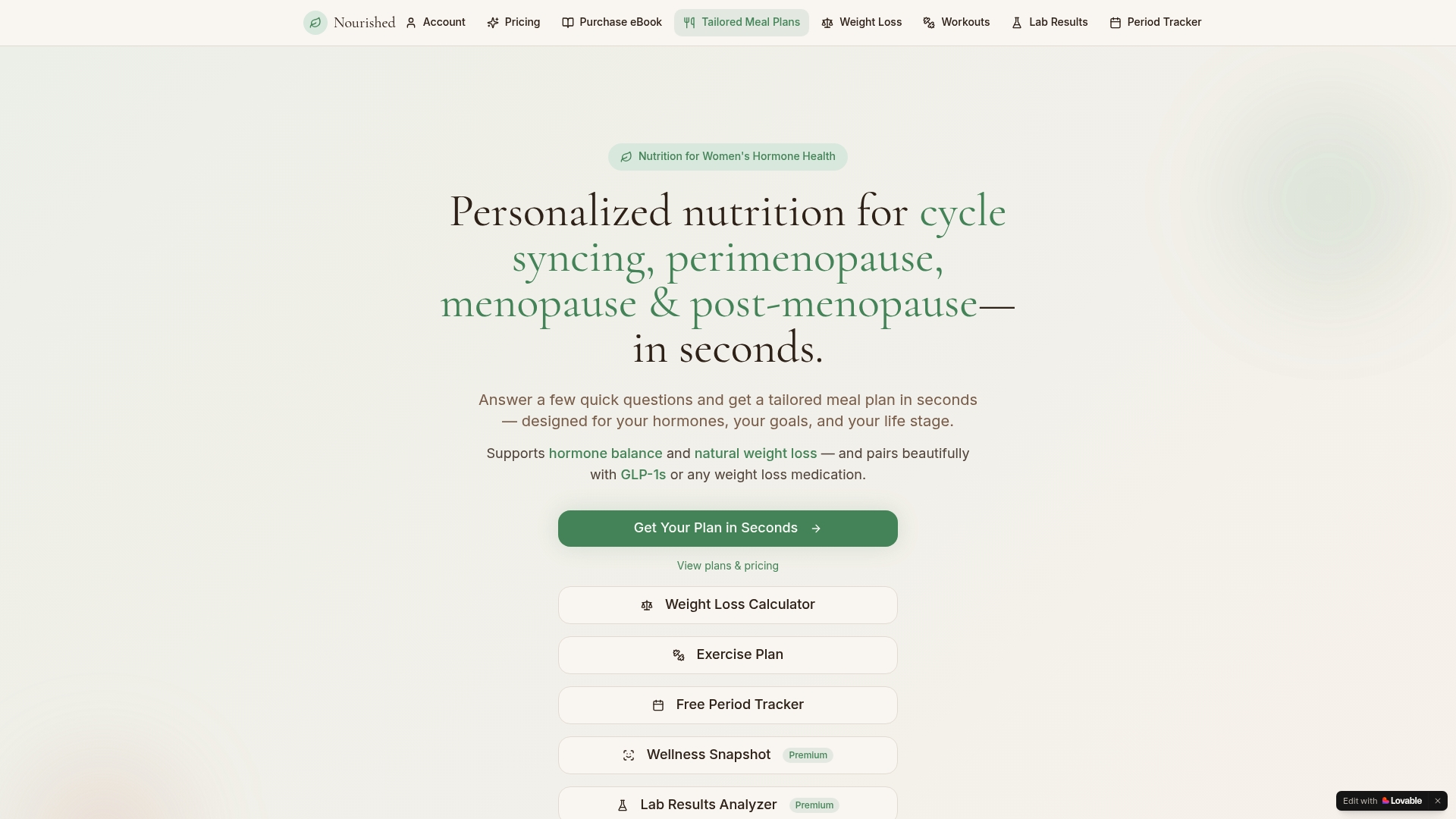
Nourished gives you hormone-adaptive meal plans and workout routines built specifically for post-menopause, generated by AI around your preferences, goals, and life stage. No calorie counting, no generic templates. You get Mediterranean and DASH-aligned meal ideas with grocery lists, targeted protein and fiber distribution, simple strength routines, and tracking tools that show you progress over time.
What you get with Nourished:
- Personalized anti-inflammatory meal templates, updated to your preferences
- Grocery lists that make the favor column above a weekly habit
- Hormone-adaptive workout plans combining aerobic and resistance sessions
- Food and lab trackers to monitor the markers that matter
- Wellness insights and downloadable eBooks for post-menopausal health
Start your personalized plan at Nourished and see how hormone-adaptive nutrition fits your post-menopausal goals. This is a nutrition and wellness tool; discuss major changes or new supplements with your clinician.
This article is for general informational purposes only and is not a substitute for professional medical advice. Confirm current guidelines and any supplement or dietary changes with a qualified healthcare provider.
Authoritative sources and further reading
Bring these to your clinician appointment alongside your symptom diary for targeted testing or referrals.
- Anti-Inflammatory Diet: Foods List and Benefits, Cleveland Clinic — Practical food lists, swap guidance, and timeline expectations for dietary effects on inflammation.
- Top Anti-Inflammatory Foods, Harvard Health — Accessible overview of chronic inflammation and specific food choices; good for sharing with family members who cook for you.
- Clinical Efficacy of Curcumin and Vitamin E on Inflammatory Biomarkers in Postmenopausal Women, PMC/NIH — Randomized controlled trial on curcumin and oxidative stress in post-menopausal women; bring to your clinician before starting curcumin supplementation.
- Staying Healthy During and After Menopause, National Institute on Aging — Government resource covering diet, physical activity, alcohol, and smoking cessation for post-menopausal health.
- Menopause and Your Health, Office on Women’s Health — Federal resource on menopause health risks, hormone therapy, and lifestyle recommendations; useful for understanding your options before a clinician visit.
- Nourished Research and References — Nourished’s evidence hub linking the research behind its hormone-adaptive nutrition and workout recommendations.