14 Day Low Estrogen Diet for Women: Protein Targets and Microbiome
Nourished · September 10, 2026
14 Day Low Estrogen Diet for Women: Protein Targets and Microbiome
A low estrogen diet means eating to support your body through perimenopause, menopause, or medically low estrogen, not eating to lower estrogen further. The strongest pattern is a Mediterranean or plant-predominant diet rich in phytoestrogens like soy and flaxseed, paired with 1.1–1.5 g/kg of protein daily, calcium above 1,200 mg, vitamin D between 800 and 2,000 IU, and regular resistance training. Diet and exercise ease symptoms and lower metabolic risk, but they support, rather than replace, hormone therapy when your doctor recommends it. A tool like Nourished can help translate these targets into a plan that fits your actual life.
TL;DR:
- Consuming 50 to 80 mg of soy isoflavones daily can significantly reduce hot flash frequency and severity, with about two to three servings of soy foods.
- A diet high in fiber from plant-based sources and following a Mediterranean pattern supports hormonal balance, heart health, and blood sugar regulation.
- Increasing protein intake to 1.1 to 1.5 grams per kilogram of body weight daily and pairing it with resistance training helps prevent muscle and bone loss.
- Limiting processed foods, added sugars, and trans fats reduces inflammation and blood sugar swings that can worsen menopausal symptoms.
- Personalized plans based on microbiome and hormone response outperform generic advice, emphasizing flexible and incremental dietary and activity changes.
Table of Contents
- What to Eat: Foods and Patterns for Low Estrogen Symptoms
- Nutrient Targets That Protect Muscle and Bone
- How Exercise Supports Hormone-Related Changes
- A Sample Day and Two-Week Plan You Can Actually Follow
- Why Personalized Plans Outperform Generic Advice
- Gut Bacteria and Estrogen: The Recycling Connection
- Foods That Can Make Symptoms Worse
- Alcohol, Caffeine, and Your Symptoms
- Hydration and Beverages Worth Building Into Your Routine
- Fat Choices and How They Affect Estrogen Metabolism
- When and How Often You Eat Matters Too
- A Realistic Note on Sticking With This
- Build Your Plan With Nourished
- Sources
What to Eat: Foods and Patterns for Low Estrogen Symptoms
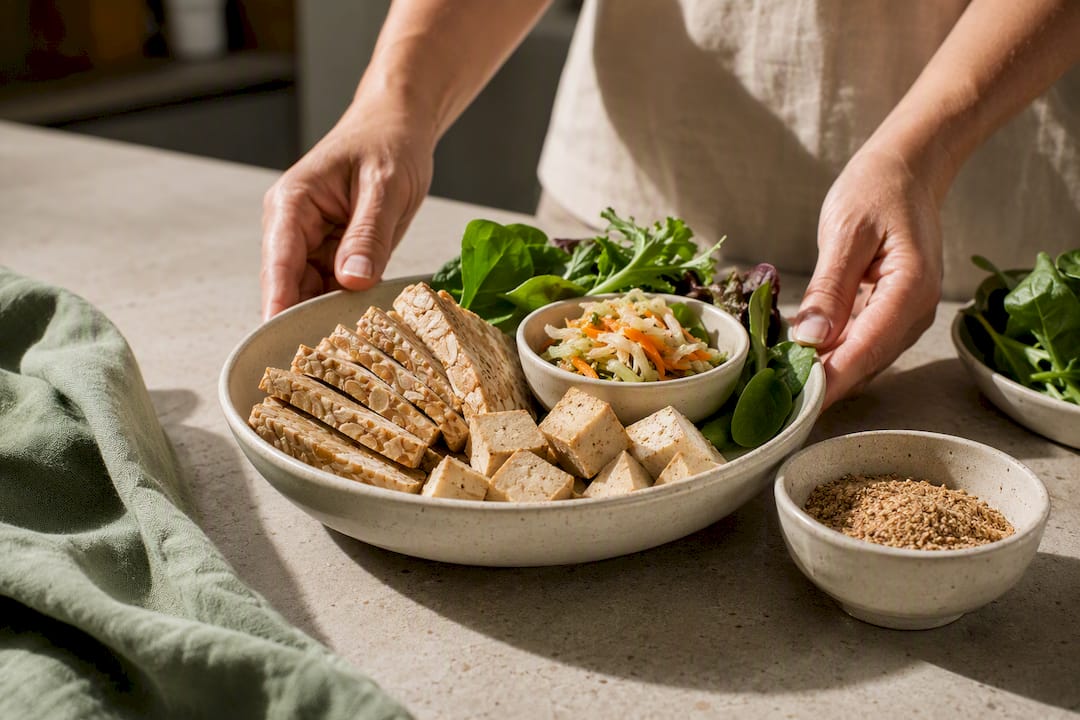
Soy isoflavones are the most studied phytoestrogen for symptom relief, and the dose matters more than most people realize. Clinical trials using 50 to 80 mg of isoflavones daily, roughly the amount in two to three servings of tofu, tempeh, or soy milk, cut hot flash frequency and severity with a moderate effect size in a systematic review and meta-analysis. Flaxseed lignans work through a similar estrogen-receptor pathway, though with a smaller evidence base; two tablespoons of ground flaxseed a day is the amount most trials use.
Whole-food, plant-predominant eating outperforms any single supplement. Reviews of dietary strategies for menopausal health point to Mediterranean-style patterns as the most consistent way to ease symptom burden while also protecting your heart and blood sugar, according to a mini review of nutritional strategies for menopause. The fiber load matters almost as much as the phytoestrogens themselves, since fiber feeds the gut bacteria involved in estrogen metabolism.
Build your plate around these:
- Soy foods (edamame, tofu, tempeh, soy milk) for isoflavones
- Ground flaxseed, chia, and sesame for lignans
- Legumes (lentils, chickpeas, black beans) for fiber and plant protein
- Fatty fish (salmon, sardines, mackerel) for omega-3s
- Leafy greens and cruciferous vegetables for micronutrients and fiber
- Olive oil as the primary fat, in place of butter or refined oils
Limit ultra-processed foods, added sugar, and excess refined carbohydrates. They drive the inflammation and blood-sugar swings that tend to worsen hot flashes and mood symptoms in women already dealing with estrogen decline.
Nutrient Targets That Protect Muscle and Bone
Estrogen decline accelerates bone loss and muscle breakdown, so your nutrient targets need to shift upward, not stay the same as they were at 30; understanding these changes is critical, as explained in Menopause bone loss: what women should do now.
Protein is the biggest lever. Aim for 1.1 to 1.5 grams per kilogram of body weight daily, according to a review of nutrition in menopause and perimenopause. For a 150-pound woman (about 68 kg), that’s roughly 75 to 100 grams a day, spread across meals rather than loaded into dinner. A palm-sized portion of chicken, fish, or tofu at each meal, plus a protein-rich snack, usually gets you there. Pairing that protein intake with resistance training is the most reliable combination for preventing the lean-mass loss that speeds up after menopause.
Calcium and vitamin D come next on the list.
- Calcium: at least 1,200 mg/day from dairy, fortified plant milk, sardines, or leafy greens
- Vitamin D: 800 to 2,000 IU/day, and worth testing your blood level if you’re unsure where you stand
- Magnesium: supports sleep and muscle function, often low in women eating a highly processed diet
- Omega-3s: 250 to 500 mg combined EPA/DHA from fish or algae oil most days
A dose that shows up repeatedly in the research: curcumin at 500 mg/day reduced hot flashes within four weeks in randomized trials, per a mini review on natural strategies for estrogen support.
If you have a history of breast cancer, take blood thinners, or manage a bleeding disorder, talk to your doctor before adding concentrated isoflavone or botanical supplements. Whole foods carry far less risk than high-dose extracts.
How Exercise Supports Hormone-Related Changes
Exercise does double duty here: it protects the muscle and bone that estrogen used to help maintain, and it measurably eases some of the symptoms.
- Strength train 2 to 3 times a week, hitting major muscle groups with weights heavy enough that the last two reps feel hard.
- Get 150 to 300 minutes of moderate aerobic activity weekly, brisk walking, cycling, or swimming all count.
- Add impact or loading moves (jump squats, stair climbing, weighted carries) a few times a week to support bone density.
- Eat 20 to 30 grams of protein within a couple hours after training to support muscle repair.
Losing just 5 to 10% of body weight, when weight loss is a goal, improves metabolic markers and can ease vasomotor symptoms, based on findings summarized by the Harvard School of Public Health. Exercise itself also appears to lower total and free estradiol in circulation while preserving lean mass, so intensity should be dialed to your recovery, not maxed out every session.
Pro Tip: Don’t chase exhaustion. If a workout leaves you wired and unable to sleep, drop the intensity slightly. Recovery is where the muscle-preserving benefit actually happens.
For structured programming, strength training guidance built for perimenopause is a solid starting point.
A Sample Day and Two-Week Plan You Can Actually Follow
Here’s what hitting your targets looks like on a plate, not just on paper.
Sample day:
- Breakfast: Greek yogurt with ground flaxseed, berries, and a handful of walnuts
- Lunch: Lentil and vegetable soup with a slice of whole-grain bread and olive oil
- Snack: Edamame with sea salt
- Dinner: Baked salmon, roasted broccoli, and quinoa
- Evening: Chamomile tea
That day lands close to 90 grams of protein, over 1,200 mg of calcium once you count the yogurt and greens, a solid fiber load, and a phytoestrogen source at both breakfast and snack.
Two-week rotation tips:
- Rotate soy sources (tofu, tempeh, edamame, soy milk) so meals don’t feel repetitive.
- Batch-cook legumes and grains on Sunday to cut weekday effort.
- Swap dairy for fortified soy or oat milk if you’re dairy-free, just check the calcium content on the label.
- Keep one fish-based dinner, one legume-based dinner, and one poultry dinner each week for variety.
Weekly workout structure:
- Monday: Full-body resistance training
- Tuesday: Brisk walk or swim, 30 to 45 minutes
- Wednesday: Rest or gentle yoga
- Thursday: Resistance training with impact moves
- Friday: Aerobic activity of choice
- Weekend: One longer walk or hike, one rest day
Vegetarians can swap fish for tofu, tempeh, or a fortified algae-oil omega-3 supplement. Anyone managing lactose intolerance can lean on canned sardines with bones, fortified plant milk, and leafy greens to hit calcium goals.
Why Personalized Plans Outperform Generic Advice
Not every woman responds to soy the same way, and that’s not in your head. About a third of women can convert soy isoflavones into equol, a metabolite linked to bigger reductions in hot flashes, depending on their gut bacteria, according to research on equol production. If you’ve tried soy and felt nothing, you may simply not be an equol producer, which means your plan should lean harder on flaxseed, protein timing, or other levers instead.
This is precisely why generic meal plans fall short. Precision nutrition approaches that account for microbiome composition and individual symptom patterns tend to outperform one-size-fits-all advice, per research on precision nutrition in menopause. Nourished builds plans around exactly these variables, adjusting protein timing, phytoestrogen emphasis, portion sizes, and supplement suggestions to your cycle phase or menopause stage. Instead of guessing whether soy will help you, the plan adapts based on how your body actually responds, and workouts adjust alongside the nutrition rather than sitting in a separate app.
Gut Bacteria and Estrogen: The Recycling Connection
Your gut does more than digest food. It also helps recycle estrogen through your system, and certain probiotic strains appear to influence that process directly.
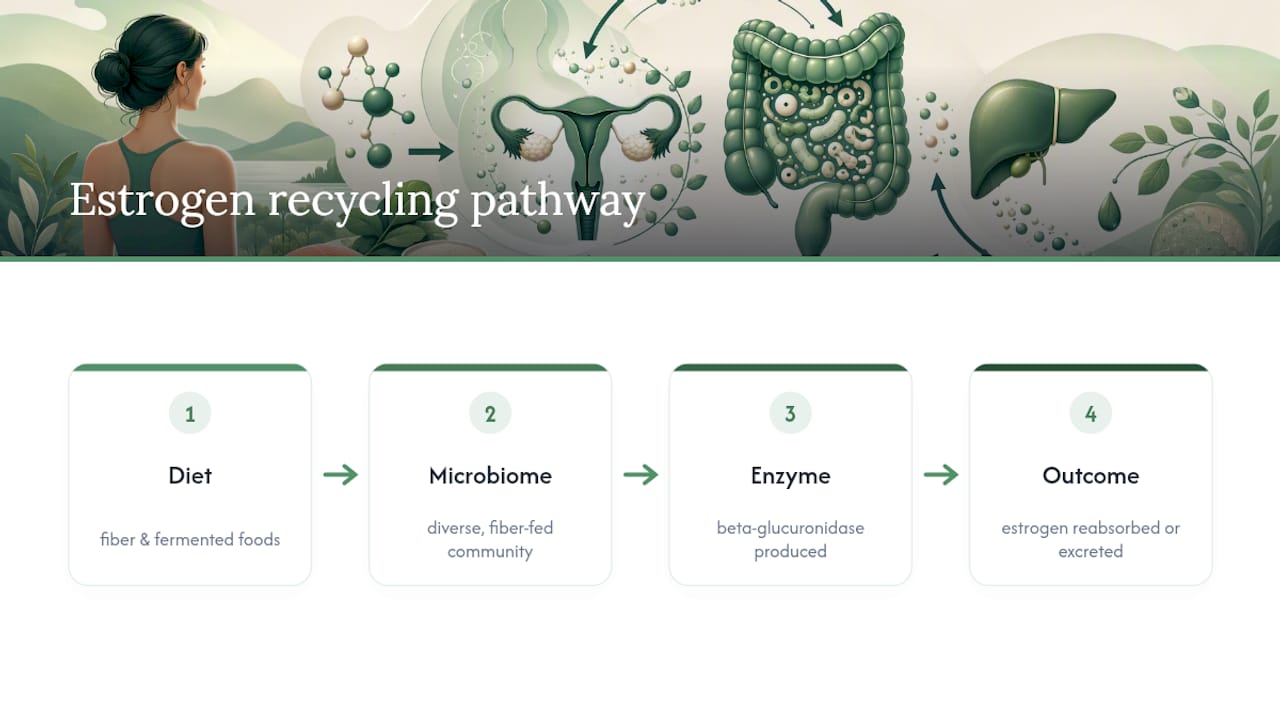
An enzyme called beta-glucuronidase, produced by specific gut bacteria, plays a role in whether estrogen gets reabsorbed into circulation or excreted, based on research on gut microbiome mechanisms and estrogen recycling. A more diverse, fiber-fed microbiome supports healthier estrogen recycling, which is one more reason plant-heavy eating patterns keep showing up in this research.
The probiotic angle is newer but promising. In a 12-week randomized trial, women taking a probiotic containing Lactobacillus brevis KABP052 maintained higher serum estradiol (31.6 vs. 25.1 pg/mL) and estrone (21.4 vs. 13.2 pg/mL) compared to placebo. That’s a meaningful signal, though strain-specific probiotics like this one aren’t yet widely available, and results won’t generalize to every probiotic on a supplement shelf.
Practically, that means fermented foods (yogurt, kefir, sauerkraut, kimchi) and a high-fiber diet are your most accessible tools right now. They feed the bacterial diversity that supports estrogen metabolism, even without a specific clinical-grade strain.
Foods That Can Make Symptoms Worse
Some foods don’t just fail to help, they actively work against you. Highly processed foods and added sugars drive blood-sugar spikes that can trigger hot flashes and worsen mood swings, undoing a lot of the benefit from an otherwise solid diet.
Spicy foods are a common trigger for vasomotor symptoms in many women, though the response is individual, some people tolerate spice fine while others notice hot flashes almost immediately after a spicy meal. Keeping a simple food-and-symptom log for two or three weeks is the fastest way to find out where you personally land.
Excess sodium contributes to bloating and can worsen sleep disruption when paired with night sweats. Trans fats and heavily fried foods promote the inflammation that seems to amplify menopausal symptom severity across several of the reviews already discussed. None of this means perfection. It means noticing patterns and trimming the foods that consistently make a bad night worse.
Alcohol, Caffeine, and Your Symptoms
Alcohol is one of the most commonly reported hot flash triggers, and the mechanism is fairly direct: it dilates blood vessels and can disrupt the sleep architecture that’s already fragile during hormonal transitions. Even moderate drinking, a glass of wine with dinner, can be enough to trigger night sweats for some women, though the sensitivity varies widely from person to person.
Caffeine’s effect is less consistent across the research, but plenty of women report the same pattern anecdotally: an afternoon coffee turns into a restless night, which then worsens next-day fatigue and irritability. If you notice this link, shifting your last caffeine intake earlier in the day, or cutting it back on particularly hot or stressful days, is a low-cost experiment worth running.
Neither alcohol nor caffeine needs to be eliminated outright for most women. The more useful approach is tracking your own response over a few weeks and adjusting timing and quantity based on what you actually notice, rather than following a blanket rule that may not apply to your body.
Hydration and Beverages Worth Building Into Your Routine
Night sweats and hot flashes cause real fluid loss, which makes hydration a bigger deal in low estrogen states than most people assume. Aim for consistent water intake throughout the day rather than trying to catch up after a sweaty night.
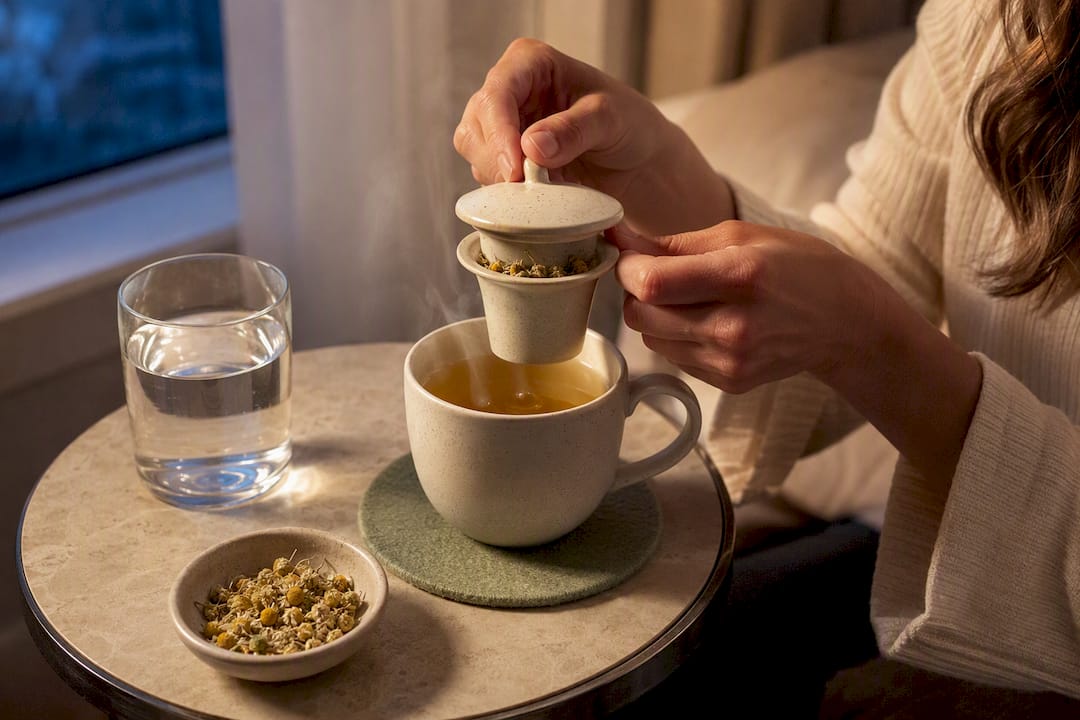
Herbal teas offer a gentle, low-risk addition. Chamomile supports sleep quality, which matters enormously when night sweats are already fragmenting your rest. Peppermint tea is commonly used to ease digestive discomfort that can accompany hormonal shifts. Some women find spearmint tea helpful for skin-related symptoms tied to hormonal changes, though the evidence here is more anecdotal than clinical.
Green tea deserves a mention too: it contains polyphenols that overlap with some of the anti-inflammatory compounds found in Mediterranean-style eating patterns. It’s not a substitute for the dietary pattern itself, but it’s a reasonable swap for a second or third coffee if caffeine sensitivity is an issue. Whatever you choose, unsweetened is the goal. Sweetened tea drinks and sports drinks add exactly the kind of sugar spike that tends to work against symptom control.
Fat Choices and How They Affect Estrogen Metabolism
Not all fats behave the same way once they’re inside your body, and that matters more during hormonal transitions than most diet advice acknowledges. Saturated fat, found in fatty red meat, butter, and many processed snacks, tends to promote the inflammatory state that several of the reviews already cited link to worse symptom burden.
Unsaturated fats, the kind found in olive oil, avocados, nuts, and fatty fish, support the anti-inflammatory profile that Mediterranean-style eating is built around. Omega-3 fatty acids specifically appear to support healthier estrogen metabolism pathways and are one reason fatty fish shows up repeatedly in the food list above.
The practical shift isn’t about cutting fat, it’s about swapping the type. Cook with olive oil instead of butter. Choose salmon or sardines over processed deli meat a couple of times a week. Snack on almonds or walnuts instead of packaged chips. These small substitutions add up to a meaningfully different fat profile over a month, without requiring you to track a single gram.
When and How Often You Eat Matters Too
Meal timing doesn’t get as much attention as meal content, but it plays a real role in symptom management. Long gaps between meals cause blood sugar to dip and then spike, and that swing can worsen irritability, fatigue, and even the frequency of hot flashes for some women.
Eating protein at every meal, rather than loading it all into dinner, helps stabilize blood sugar throughout the day while also supporting the muscle-preservation goal covered earlier. Three balanced meals with one or two protein-containing snacks tends to work better than grazing constantly or skipping meals to save calories.
Some women notice fewer night sweats when they avoid heavy meals within a couple of hours of bedtime, likely tied to the way digestion raises core body temperature. A smaller, lighter dinner combined with a protein-rich afternoon snack is a simple adjustment worth testing if evening symptoms are your biggest complaint. There’s no single perfect meal schedule here. The goal is steady fuel, not skipped meals followed by overcorrection.
A Realistic Note on Sticking With This
None of this works if it feels like one more chore stacked on an already full day. The women who stick with these changes tend to pick two or three swaps, more soy, a daily walk, better sleep hygiene, and build from there instead of overhauling everything on day one.
Diet and exercise are genuinely supportive tools, but they have limits. If hot flashes are disrupting your sleep nightly, or mood symptoms are affecting your relationships and work, talk to a clinician about hormone therapy rather than assuming food alone should fix it. Nutrition is not a substitute for medical treatment when your symptoms call for it.
— Brittany
Build Your Plan With Nourished
Reading nutrient targets is one thing. Turning 1.1 to 1.5 g/kg protein, 1,200 mg of calcium, and a rotating soy and flaxseed schedule into meals you’ll actually cook on a Tuesday night is another. Personalized meal and workout plans can be built from this guidance based on your specific stage, whether that’s perimenopause, menopause, or post-menopause, with no calorie counting and no generic templates.
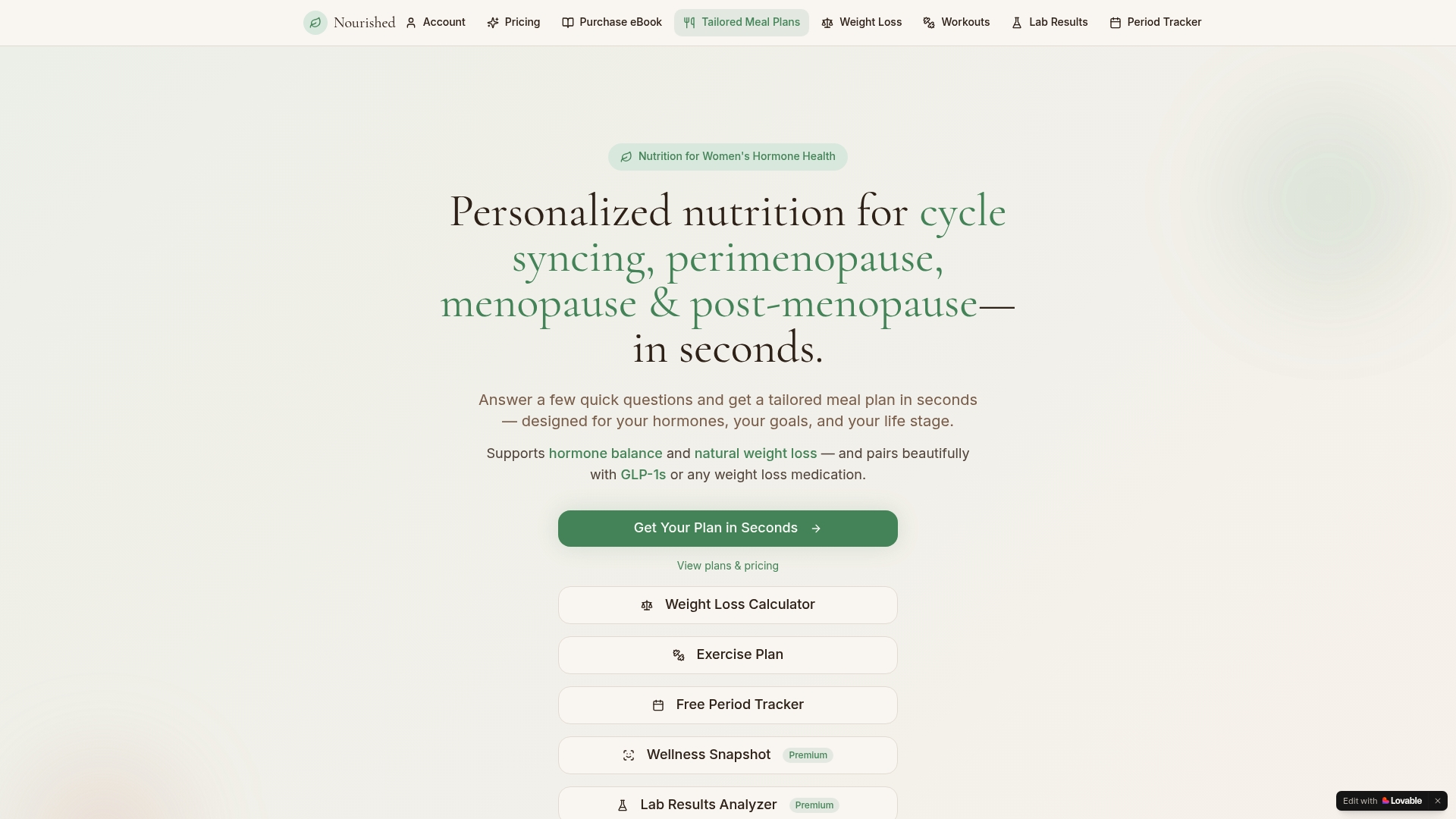
The plans can adjust portion sizes, protein timing, and phytoestrogen emphasis to your preferences, and workouts can be paired with the nutrition rather than left as a separate afterthought. Nourished is a tool for implementing evidence-based nutrition, not a replacement for hormone therapy when your doctor recommends it. If you want to see how the plans are structured before signing up, walk through the Nourished tutorial first. Otherwise, start building your personalized plan today and see what your own numbers look like once they’re built around you specifically.
Sources
- Dietary interventions for managing menopause symptoms: systematic review and meta-analysis (repository summary)
- The Importance of Nutrition in Menopause and Perimenopause—A Review
- Dietary interventions and nutritional strategies for menopausal health: a mini review
- Harvard School of Public Health summary on Mediterranean diet and metabolic benefits