
Omega-3 and Perimenopause: Your 2026 Health Guide
Nourished · July 10, 2026
Omega-3 and Perimenopause: Your 2026 Health Guide
Omega-3 fatty acids are the most clinically supported anti-inflammatory nutrient for women moving through perimenopause. The role of omega-3 in perimenopause extends well beyond heart health. These fats directly counter the pro-inflammatory state that declining estrogen triggers, protecting your muscles, joints, brain, and mood at the same time. Research from Mass General Brigham and Harvard Health confirms that over 40% of women experience muscle or joint pain during this transition. That number tells you inflammation is not a side effect of perimenopause. It is a central feature, and omega-3s are one of the most direct nutritional tools you have against it.
How do omega-3 fatty acids fight inflammation and joint pain in perimenopause?
Declining estrogen does not just affect your cycle. It triggers a systemic pro-inflammatory shift that makes you ache all over, a pattern Harvard researchers call the musculoskeletal syndrome of menopause. Pro-inflammatory cytokines, including TNF-α and IL-6, rise as estrogen falls. The result is joint stiffness, muscle soreness, and fatigue that many women mistake for aging rather than hormonal change.
Omega-3 fatty acids, specifically EPA and DHA from marine sources, counter this process at the molecular level. They reprogram your lipid metabolism to produce specialized pro-resolving mediators, known as SPMs. SPMs inhibit NF-κB and NLRP3 inflammasome pathways, which are the exact signaling routes that drive perimenopausal inflammation. This is not a gentle buffering effect. It is a direct intervention in the pain and inflammation cycle.
Beyond pain relief, omega-3s support the bone-muscle axis in three concrete ways:
- Muscle repair: EPA and DHA activate mTOR-p70S6K signaling, which drives muscle protein synthesis and reduces muscle breakdown driven by TNF-α and IL-6.
- Bone remodeling: Omega-3s promote osteoblast activity (bone building) and suppress osteoclast activity (bone breakdown), which matters as estrogen-driven bone protection fades.
- Joint lubrication: DHA is a structural component of synovial fluid. Adequate intake keeps joints moving with less friction and pain.
Pro Tip: If you already take a calcium or vitamin D supplement for bone health, adding a marine-based omega-3 creates a more complete bone-muscle support stack. These nutrients work through different but complementary pathways.
What do omega-3s do for mood, brain health, and hot flashes?

Lower estrogen affects the hypothalamus, prefrontal cortex, and hippocampus. These are the brain regions that regulate temperature, mood, and memory. The result is a cluster of symptoms: brain fog, low mood, anxiety, and hot flashes that disrupt sleep and daily life.
Omega-3 fatty acids support brain cell communication by maintaining the fluidity of neuronal membranes. DHA is the dominant structural fat in brain tissue. When DHA levels drop, neuroinflammation rises and cognitive sharpness fades. Higher omega-3 intake links to a 20% lower risk of cognitive decline and a 64% lower risk of Alzheimer’s disease over six years in aging populations. That is a meaningful long-term return on a daily supplement.
For hot flashes specifically, the evidence is real but modest. One well-cited study found that women aged 40–55 who took more than 2g per day of combined EPA and DHA reduced hot flash frequency by about 1.6 occurrences per day over eight weeks. That is not a cure, but for women having eight or more hot flashes daily, cutting nearly two per day is a real quality-of-life gain.
“Omega-3 fatty acids reduce neuroinflammation and support the brain’s temperature-regulating and mood-stabilizing systems at a time when estrogen can no longer do that job alone. They are not a replacement for hormone therapy, but they are a foundational nutritional support that works through a completely different mechanism.”
Results vary. Women with higher baseline inflammation tend to see stronger responses. Omega-3s work best as part of a broader approach that includes sleep hygiene, stress management, and consistent nutrition.
How to get the right omega-3 intake during perimenopause
Not all omega-3 sources deliver equal results. This distinction matters more during perimenopause than at any other life stage.

| Source type | Key omega-3 | Bioavailability | Best for perimenopause? |
|---|---|---|---|
| Fatty fish (salmon, sardines, mackerel) | EPA + DHA | High | Yes |
| Algae oil | EPA + DHA | High | Yes (vegan option) |
| Flaxseed, chia, walnuts | ALA | Low | Limited |
| Standard fish oil capsules | EPA + DHA | Moderate to high | Yes, with enteric coating |
Plant-based ALA converts to EPA and DHA at less than 10% efficiency. That conversion rate drops further as hormonal changes reduce the enzymes responsible for the process. Relying on flaxseed or walnuts alone will not close the omega-3 gap during perimenopause. Marine-based EPA and DHA, whether from fatty fish or algae oil, are the only reliable way to reach therapeutic levels.
For symptom benefit, the target is more than 2g per day of combined EPA and DHA, or roughly 3,500mg of EPA plus DHA per week. When choosing a supplement, look for enteric-coated capsules. They dissolve in the small intestine rather than the stomach, which eliminates the “fish burp” side effect and improves absorption. Taking your supplement with your largest meal of the day also improves uptake.
Pro Tip: Pair your omega-3 supplement with a protein-rich meal that includes resistance training on the same day. Research shows omega-3s enhance anabolic signaling in muscle tissue, and that effect is amplified when protein and exercise are present together.
What are the long-term benefits of omega-3s for heart, bone, and metabolic health?
The case for omega-3s during perimenopause goes beyond managing day-to-day symptoms. This is a window of time when cardiovascular risk rises, bone density begins to shift, and metabolic function changes. Omega-3s address all three.
On the cognitive and neurological side, the data is striking. A 64% lower Alzheimer’s risk over six years in women with higher omega-3 intake is not a minor finding. It reflects how deeply these fats are embedded in brain structure and function. Starting consistent intake during perimenopause, rather than waiting for menopause, gives your brain more time to benefit.
For bone health, omega-3s promote osteoblast function and suppress osteoclast activity. Long-term use is associated with modest but measurable improvements in bone mineral density markers. This matters because the rate of bone loss accelerates sharply in the two to three years around the final menstrual period. Omega-3s are not a substitute for calcium, vitamin D, or weight-bearing exercise, but they add a meaningful anti-inflammatory layer to bone protection.
Metabolically, EPA and DHA reduce triglycerides, lower systemic inflammation, and support insulin sensitivity. These effects combine to lower cardiovascular risk at a time when estrogen’s protective effect on the heart is fading. The key word across all of these benefits is consistent. Long-term omega-3 intake over months to years is what produces cardiovascular, cognitive, and musculoskeletal gains. A two-week course changes nothing.
Here is what the evidence supports for long-term omega-3 use in perimenopausal women:
- Reduced systemic inflammation and lower TNF-α and IL-6 levels
- Modest improvements in bone mineral density markers with sustained use
- Lower triglycerides and improved cardiovascular risk profile
- 20% lower risk of cognitive decline and 64% lower Alzheimer’s risk in aging populations
- Improved muscle protein synthesis when combined with resistance training and adequate protein
How do omega-3s work best alongside exercise, sleep, and diet?
Omega-3s are not a standalone fix. They are a foundational nutrient that amplifies the results of other healthy habits. Understanding how they interact with lifestyle factors helps you get the most from them.
Resistance training is the most important pairing. Omega-3 supplementation combined with resistance training enhances anabolic signaling in muscle tissue, even when muscle mass gains take longer to appear in middle-aged women. The signal is there. The muscle is responding. Consistency over months is what converts that signal into visible, functional strength.
Protein intake is the second critical variable. Omega-3s improve how efficiently your muscles use the protein you eat by supporting muscle protein synthesis through mTOR pathway activation. Without adequate protein, that mechanism has nothing to work with. Aim for protein at every meal, not just post-workout.
Sleep and stress management round out the picture. Chronic stress elevates cortisol, which drives the same pro-inflammatory pathways that omega-3s work to suppress. Poor sleep does the same. Omega-3s reduce neuroinflammation and support serotonin signaling, which improves sleep quality over time. But if stress and sleep deprivation are severe, they will blunt the benefits.
Pro Tip: Track your omega-3 intake alongside your sleep quality and joint comfort for at least eight weeks. Most women notice the clearest improvements in mood and joint stiffness before they notice changes in hot flash frequency or body composition.
Key Takeaways
Omega-3 fatty acids, specifically marine-based EPA and DHA, are a foundational nutritional support for managing inflammation, protecting muscle and bone, and preserving cognitive health throughout perimenopause.
| Point | Details |
|---|---|
| Marine EPA and DHA are non-negotiable | Plant-based ALA converts at less than 10% efficiency, making fish or algae oil the only reliable source. |
| Target more than 2g per day | This dose reduces hot flash frequency and delivers measurable anti-inflammatory effects over eight weeks. |
| Long-term use drives the biggest gains | Cardiovascular, cognitive, and bone benefits require consistent intake over months to years, not days. |
| Pair with resistance training and protein | Omega-3s enhance muscle anabolic signaling, but that effect requires exercise and adequate protein to activate. |
| Start during perimenopause, not after | Beginning consistent intake now gives your brain, bones, and heart more time to accumulate the benefits. |
What I’ve learned about omega-3s and perimenopause after years of working with women in this phase
The biggest mistake I see is women treating omega-3s like a pain reliever. They take them for two weeks, feel no dramatic change, and stop. That is not how these fats work. EPA and DHA are structural nutrients. They rebuild cell membranes, recalibrate inflammatory signaling, and shift your body’s baseline over months. Expecting a quick fix misses the entire point.
The second mistake is choosing the wrong source. I have worked with women who were diligently eating flaxseed every day and wondering why their joint pain and brain fog were not improving. Plant-based ALA simply does not convert efficiently enough during perimenopause. The hormonal environment actively reduces that conversion. Marine-based EPA and DHA, whether from fatty fish three times a week or a quality algae oil supplement, are what actually move the needle.
What I have found works best is a combination of a high-quality enteric-coated fish or algae oil supplement, two to three sessions of resistance training per week, and enough protein to support muscle repair. That combination, sustained for at least three months, produces results that no single element delivers alone. Omega-3s are not magic. They are a foundational piece of a system that works when you give it time and the right supporting conditions. If you are navigating hormonal weight changes alongside inflammation and muscle loss, this combination is where I would start.
— Brittany
Nourished and hormone-healthy nutrition for perimenopausal women
Knowing what to take is one thing. Knowing how it fits into your specific hormonal picture is another.
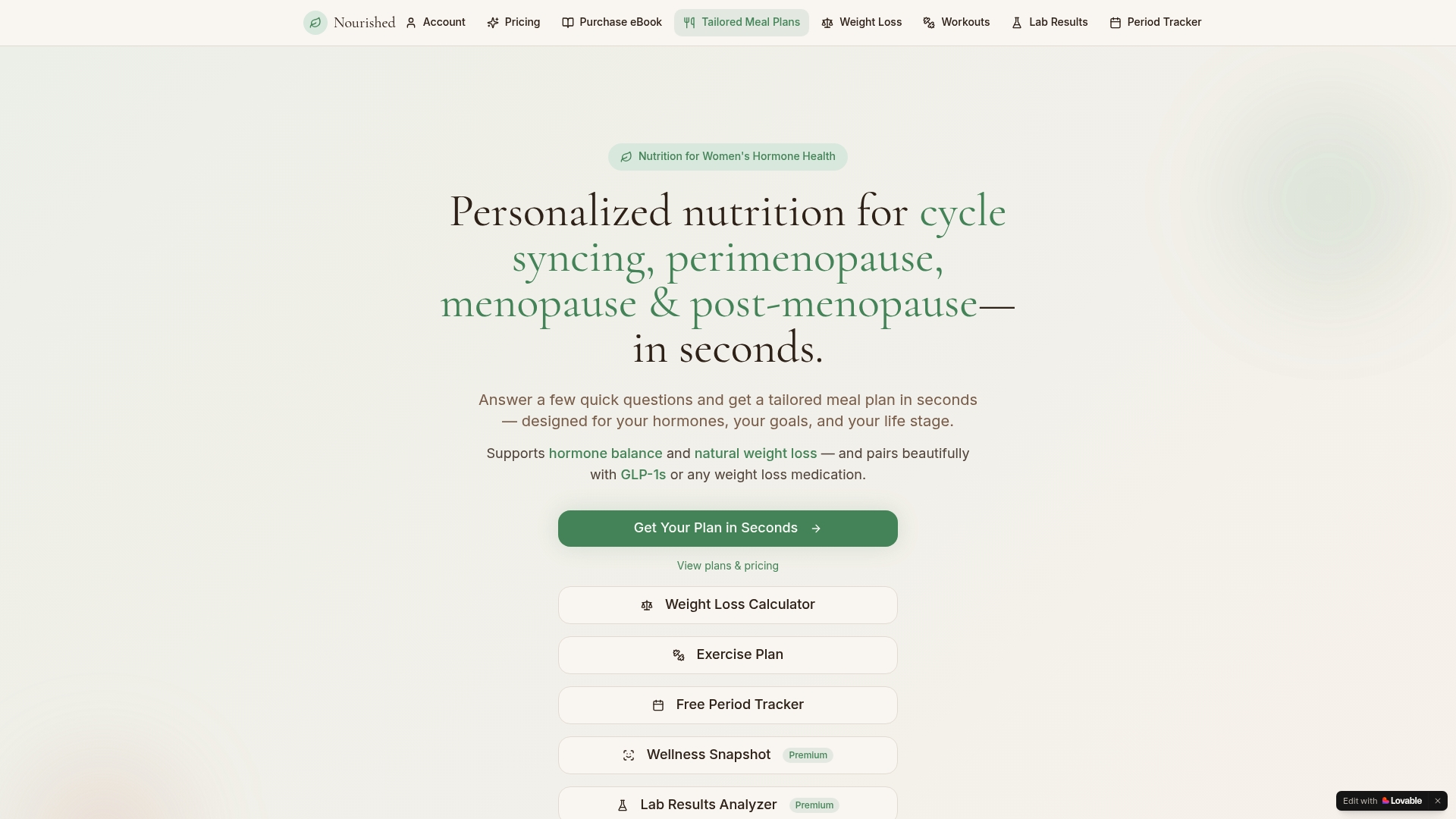
Nourished builds personalized nutrition plans for women in perimenopause, incorporating omega-3 intake targets alongside protein goals, cycle-aware meal timing, and workout recommendations. The platform uses AI to adapt your plan based on your hormonal stage and health priorities, so you are not following a generic template. Every recommendation reflects current research on hormone-healthy nutrition for women at your life stage. If you want a plan that accounts for inflammation, muscle maintenance, and cognitive support all at once, Nourished gives you that structure without calorie counting or guesswork about what to prioritize.
FAQ
What is the best omega-3 source for perimenopause?
Marine-based EPA and DHA from fatty fish or algae oil are the most effective sources. Plant-based ALA converts to EPA and DHA at less than 10% efficiency, which is too low to meet therapeutic needs during perimenopause.
How long does it take for omega-3s to work during perimenopause?
Most women notice improvements in joint comfort and mood within six to eight weeks of consistent intake above 2g per day. Cardiovascular and cognitive benefits accumulate over months to years of sustained use.
Can omega-3s reduce hot flashes?
Research shows that more than 2g per day of combined EPA and DHA reduces hot flash frequency by about 1.6 occurrences per day over eight weeks in women aged 40–55. Results vary based on baseline inflammation and overall diet.
Do omega-3s help with muscle loss during perimenopause?
Omega-3s improve muscle protein synthesis through mTOR pathway activation and reduce muscle breakdown by suppressing TNF-α and IL-6. The effect is strongest when paired with resistance training and adequate daily protein intake.
How much omega-3 should perimenopausal women take daily?
The target for symptom benefit is more than 2g per day of combined EPA and DHA, or approximately 3,500mg per week. An enteric-coated supplement taken with a meal improves absorption and reduces digestive side effects.