
PCOS Meal Planning Best Practices for Hormonal Balance
Nourished · July 5, 2026
PCOS Meal Planning Best Practices for Hormonal Balance
PCOS meal planning best practices are defined as the structured nutrition strategies that stabilize blood sugar, reduce androgen-driven symptoms, and support hormonal balance in women with polycystic ovary syndrome. The condition affects roughly 1 in 10 women of reproductive age, making it one of the most common hormonal disorders worldwide. Nutrition is the first-line treatment recommended by international clinical guidelines, ahead of medication for most women. The core levers are protein intake, fiber quality, carbohydrate sequencing, healthy fats, and meal timing. Get those five right, and you address the root metabolic drivers of PCOS rather than just managing symptoms.
1. PCOS meal planning best practices start with consistent meal timing
A structured eating rhythm is the foundation of any effective PCOS nutrition plan. Most women with PCOS benefit from three meals plus one snack daily, paired with a 12–14 hour overnight fasting window. That window gives your body enough rest from digestion to improve insulin sensitivity without triggering stress hormones.
Extending the overnight fast beyond 14 hours tends to backfire. Extended fasting often leads to compensatory nighttime snacking or insufficient protein intake across the day. Both outcomes worsen blood sugar control, which is the opposite of what women with PCOS need.

Spacing meals roughly 4–5 hours apart keeps glucose levels steady between eating windows. Skipping meals or eating erratically creates the blood sugar swings that drive insulin spikes and, in turn, androgen production.
Pro Tip: Set a consistent breakfast time within one hour of waking. This anchors your body’s cortisol rhythm and reduces mid-afternoon energy crashes, which are common in PCOS.
Key habits that support a healthy meal rhythm:
- Eat breakfast within 60–90 minutes of waking
- Space lunch and dinner 4–5 hours apart
- Keep the overnight fasting window at 12–14 hours
- Avoid eating within 2 hours of bedtime
- Plan your snack between lunch and dinner if hunger hits
2. Protein at every meal stabilizes blood sugar and reduces cravings
Protein is the single most underused tool in PCOS nutrition. Protein intake of 1.2–1.6 g per kilogram of body weight, distributed across meals and snacks, supports satiety, glucose handling, and muscle protein synthesis. Muscle tissue is metabolically active and improves insulin sensitivity over time.
Breakfast protein matters most. Eating 25–35 g of protein at breakfast measurably reduces afternoon cravings and prevents the energy dip that drives poor food choices later in the day. That is not a small effect. It reshapes your entire appetite pattern for the day.
Practical protein sources that work well for a PCOS hormone balance nutrition guide include:
- Eggs: 2 whole eggs plus 2 whites deliver roughly 20 g of protein
- Greek yogurt: Full-fat plain Greek yogurt provides 15–20 g per cup
- Tofu: Firm tofu gives 10 g per half cup and pairs well with stir-fries
- Salmon: A 4-oz serving delivers 25 g of protein plus anti-inflammatory omega-3s
- Legumes: Lentils and chickpeas combine protein with fiber for a double benefit
Pro Tip: If mornings are rushed, blend a smoothie with one scoop of plain protein powder, half a cup of Greek yogurt, frozen berries, and a tablespoon of chia seeds. You hit 30 g of protein in under five minutes. For more on why protein drives hormonal outcomes, the role of protein in hormone health is worth reading.
3. Fiber and carbohydrate quality directly affect insulin resistance
Fiber is not optional in a PCOS insulin resistance meal plan. It is the mechanism that slows glucose absorption, feeds beneficial gut bacteria, and blunts the post-meal insulin spikes that drive androgen production. Fiber intake of 25–35 g per day from varied sources achieves all three of those outcomes simultaneously.
The key word is “varied.” Chia seeds, flaxseeds, beans, lentils, oats, and non-starchy vegetables each feed different strains of gut bacteria. Diversity in fiber sources creates a more resilient gut microbiome, which research increasingly links to better hormonal regulation. If you are currently eating low fiber, add roughly 5 g per week to avoid bloating.
Carbohydrate quality matters as much as quantity. Choosing low-glycemic index foods and sequencing meals so vegetables and protein come before carbohydrates flattens the post-meal glucose curve. This strategy is sometimes called “carbs that play well with others.” Intact grains, cooked and cooled potatoes or rice (which form resistant starch), legumes, and fruit paired with protein or fat all qualify.
Pro Tip: Eat your salad or steamed vegetables before the grain or starchy portion of your meal. This one habit can reduce post-meal glucose spikes without changing what you eat.
| Food | Fiber content | Glycemic impact |
|---|---|---|
| Lentils (1 cup cooked) | 15 g | Low GI |
| Chia seeds (2 tbsp) | 10 g | Very low GI |
| Oats (1 cup cooked) | 4 g | Medium GI |
| White bread (2 slices) | 1 g | High GI |
| Broccoli (1 cup) | 5 g | Very low GI |
| White rice (1 cup cooked) | 0.6 g | High GI |
4. Healthy fats reduce inflammation and support hormone production
Fat is not the enemy in PCOS nutrition. The right fats actively reduce the inflammation that worsens insulin resistance and drives skin symptoms like acne. Anti-inflammatory omega-3 fatty acids at 2–3 g per day reduce testosterone levels and improve insulin sensitivity. Zinc at 30–50 mg per day suppresses androgens and directly reduces PCOS-related acne on the jawline and chin.
The connection between diet and skin is direct. PCOS acne appears on the jawline, chin, and neck because insulin spikes stimulate androgen production, not because of surface-level skin issues. Skincare alone does not fix hormonally driven acne. Blood sugar management does.
Healthy fat sources to include regularly:
- Oily fish (salmon, sardines, mackerel): highest omega-3 concentration per serving
- Walnuts and flaxseeds: plant-based omega-3 sources that also add fiber
- Extra-virgin olive oil: rich in oleocanthal, a natural anti-inflammatory compound
- Avocado: provides monounsaturated fat plus potassium for blood pressure support
- Pumpkin seeds: a good source of zinc alongside healthy fat
A common myth is that fat raises insulin. Dietary fat has minimal effect on insulin response. Replacing refined carbohydrates with healthy fats actually improves insulin sensitivity over time. The goal is not to eat less fat. It is to replace poor-quality fats with anti-inflammatory ones.
5. Meal sequencing: the order you eat matters
The sequence in which you eat food groups at a meal affects your glucose response more than most women realize. Eating non-starchy vegetables first, then protein, then carbohydrates produces a significantly flatter blood sugar curve than eating in the reverse order. This approach requires no new foods and no calorie counting.
Resistant starch is a specific type of carbohydrate that behaves like fiber in the body. Cooking and then cooling rice, potatoes, or pasta increases their resistant starch content. Eating them cold or reheated at lower temperatures preserves that benefit. This makes meal prep a metabolic advantage, not just a time-saving habit.
Pairing fruit with protein or fat is another practical application of this principle. An apple alone spikes blood sugar faster than an apple eaten with almond butter. The fat and protein slow gastric emptying and reduce the glycemic impact. This is the core logic behind the PCOS hormone balancing foods list: it is not just about which foods you eat, but how you combine them.
6. Personalization is where generic meal plans fall short
There is no universal PCOS dietary protocol. International guidelines emphasize personalized, sustainable nutrition approaches customized for individual BMI, insulin resistance levels, and lifestyle. A meal plan that works for a woman with lean PCOS and normal insulin levels will differ significantly from one designed for a woman with insulin resistance and elevated androgens.
Registered dietitians provide transformative adjustments by tailoring serving sizes, nutrient timing, and food substitutions to your specific PCOS subtype and daily routine. Generic sample plans are a useful starting point, but they rarely account for food preferences, cultural eating patterns, or coexisting conditions like thyroid dysfunction.
Steps to start personalizing your approach:
- Get baseline labs: fasting insulin, testosterone, DHEA-S, and thyroid panel
- Track your current eating pattern for 3–5 days without changing anything
- Identify your biggest blood sugar triggers (common ones: skipping breakfast, high-carb lunches, evening snacking)
- Adjust one variable at a time, starting with breakfast protein
- Add strength training 2–3 times per week, as muscle mass directly improves insulin sensitivity
- Reassess labs every 3–6 months to measure progress objectively
Strength training deserves specific mention. Building muscle tissue is one of the most effective non-dietary interventions for insulin resistance in PCOS. Combining resistance exercise with the nutrition strategies above produces better outcomes than either approach alone.
Key Takeaways
The most effective PCOS meal planning approach combines consistent meal timing, adequate protein, high-fiber carbohydrates, anti-inflammatory fats, and personalized adjustments to address individual insulin resistance and hormonal profiles.
| Point | Details |
|---|---|
| Meal timing matters | Eat 3 meals plus a snack with a 12–14 hour overnight fast to support insulin sensitivity. |
| Prioritize breakfast protein | Aim for 25–35 g of protein at breakfast to reduce cravings and stabilize blood sugar all day. |
| Choose fiber-rich carbs | Target 25–35 g of fiber daily from lentils, chia seeds, vegetables, and intact grains. |
| Add anti-inflammatory fats | Include omega-3-rich foods like salmon and walnuts daily to reduce androgens and inflammation. |
| Personalize your plan | Work with a registered dietitian to tailor your plan to your specific PCOS subtype and lifestyle. |
What I’ve learned about sustainable PCOS nutrition
The biggest mistake I see women make with PCOS nutrition is treating it like a punishment. They cut carbs aggressively, skip meals to “give their body a break,” and then wonder why their symptoms are not improving. Restriction creates stress. Stress raises cortisol. Cortisol worsens insulin resistance. The cycle is counterproductive.
What actually works is building a plate that your body trusts. Consistent meals, enough protein to feel full, enough fiber to slow digestion, and enough fat to support hormone production. That is not a diet. That is a physiology-informed eating pattern.
The women I see make the most progress are the ones who stop chasing perfection and start building habits. They eat breakfast even when they are not hungry. They add a handful of spinach to their smoothie without overthinking it. They pair their fruit with nuts. Small, consistent choices compound over months into real hormonal shifts.
Patience is not passive. Every meal that stabilizes your blood sugar is doing something. You may not feel it after one week, but your hormones are responding. Give the process at least 8–12 weeks before judging results, and track symptoms, not just the scale.
— Brittany
Nourished brings personalized PCOS nutrition to your daily routine
Managing PCOS through nutrition is not a one-size-fits-all process. Nourished is built specifically for women whose hormones drive their health outcomes. The platform generates personalized meal plans based on your hormonal profile, cycle phase, and lifestyle, with no calorie counting required.
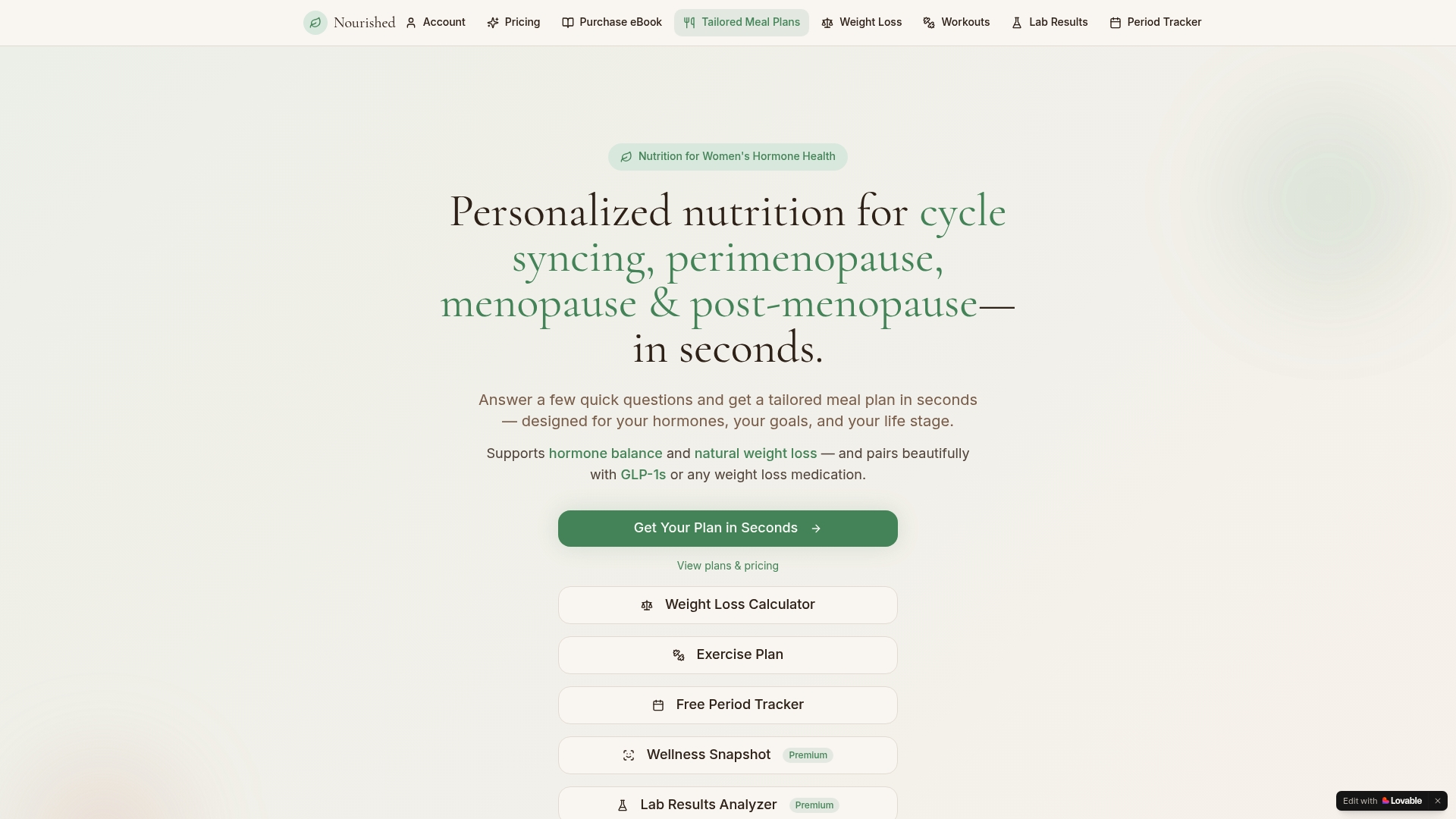
Nourished adapts your plan as your cycle and symptoms change, which is exactly what PCOS management requires. The science behind the approach draws on current clinical research in hormonal nutrition, including the insulin resistance and anti-inflammatory strategies covered in this article. If you are ready to move beyond generic advice and eat in a way that actually matches your biology, Nourished gives you the structure to do it.
FAQ
What should I eat for breakfast with PCOS?
A PCOS-friendly breakfast includes 25–35 g of protein, healthy fat, and fiber-rich carbohydrates. Examples include eggs with avocado and whole-grain toast, or Greek yogurt with berries and chia seeds.
How many carbs should I eat per day with PCOS?
No universal carbohydrate target exists for PCOS. The quality and sequencing of carbohydrates matters more than the total amount. Focus on low-glycemic, fiber-rich sources like legumes, intact grains, and vegetables, and always pair them with protein or fat.
Does meal timing really affect PCOS symptoms?
Yes. A consistent meal rhythm with a 12–14 hour overnight fast supports insulin sensitivity and appetite regulation. Skipping meals or eating erratically worsens blood sugar control and androgen production.
Can nutrition improve PCOS-related acne?
Nutrition is a direct driver of PCOS acne. Insulin-stimulated androgen production causes breakouts on the jawline and chin. Stabilizing blood sugar through diet reduces androgen levels and complements any topical skincare treatment.
Do I need a dietitian to manage PCOS through nutrition?
A registered dietitian provides personalized adjustments that generic meal plans cannot. Individualized nutrition support improves long-term symptom outcomes by tailoring meal timing, serving sizes, and food choices to your specific PCOS subtype.