
Perimenopause Sleep Disruption: Nutrition Tips That Work
Nourished · July 7, 2026
Perimenopause Sleep Disruption: Nutrition Tips That Work
Perimenopause sleep disruption is defined as the fragmented, restless sleep caused by declining estrogen and progesterone levels that destabilize your body’s ability to regulate temperature, mood, and wakefulness. These hormonal shifts affect neurotransmitter pathways, blood sugar stability, and the nervous system, all of which directly control sleep quality. The good news is that targeted perimenopause sleep disruption nutrition tips can address these mechanisms at their root. Adjusting what you eat, when you eat, and which nutrients you prioritize makes a measurable difference in how well you sleep through this transition.
1. How perimenopause disrupts sleep and why nutrition matters
Fluctuating estradiol and progesterone fragment sleep by disrupting thermoregulation and weakening the brain’s inhibitory control over wakefulness. This is the core physiological reason why women in perimenopause wake up at 3 AM feeling hot, wired, or anxious without an obvious cause.
Nutrition enters this picture because the foods you eat directly influence the hormones and neurotransmitters that regulate sleep. Serotonin, the precursor to melatonin, is synthesized from tryptophan, an amino acid found in protein-rich foods. GABA, the brain’s primary calming neurotransmitter, is supported by magnesium and B vitamins. When your diet is low in these nutrients, your nervous system has fewer tools to wind down at night.

Blood sugar instability adds another layer of disruption. When glucose drops overnight, your body releases cortisol to compensate. That cortisol spike wakes you up. Pairing protein and fiber with carbohydrates supports steady glucose levels and serotonin synthesis, which is why the composition of your dinner matters as much as your bedtime routine.
Pro Tip: If you wake consistently between 2 AM and 4 AM, blood sugar instability is a likely cause. Try adding a small protein-rich snack before bed, such as a tablespoon of almond butter on a rice cake, and track whether the pattern changes within a week.
2. Prioritize fiber to stabilize blood sugar overnight
Aiming for 25–35 grams of fiber daily from whole foods like vegetables, legumes, and whole grains is one of the most direct ways to reduce estrogen-driven sleep disturbances. Fiber slows glucose absorption, which prevents the overnight blood sugar crashes that trigger cortisol and interrupt sleep.
Fiber also supports the gut microbiome, which plays a role in estrogen metabolism. A healthy gut helps your body process and eliminate excess estrogen more efficiently. This matters because estrogen imbalance, not just estrogen deficiency, contributes to sleep disruption during perimenopause.
Practical sources include lentils (about 15 grams per cooked cup), black beans, broccoli, oats, and chia seeds. Building meals around these foods rather than treating fiber as an afterthought is the shift that produces results. You can also track hormonal weight changes alongside fiber intake to see how blood sugar stability affects your body composition over time.
3. Include protein at every meal, especially dinner
Protein at dinner prevents overnight hypoglycemia by providing a slow, steady source of amino acids that support both blood sugar and neurotransmitter production. Tryptophan, found in turkey, eggs, pumpkin seeds, and cottage cheese, converts to serotonin and then to melatonin. Without adequate dietary tryptophan, this conversion chain breaks down.
Aim for at least 25–30 grams of protein at dinner. That is roughly four ounces of salmon, three eggs, or a cup of Greek yogurt with added seeds. The goal is not to eat a massive meal but to include enough protein to carry your nervous system through the night without a cortisol rescue.
Under-eating during perimenopause worsens sleep disruption by accelerating muscle loss and increasing stress on hormonal axes. Restricting calories too aggressively is one of the most common mistakes women make during this phase, and it directly undermines sleep quality. Read more about why protein matters specifically during perimenopause for a deeper look at dosing and timing.
Pro Tip: Rotate your protein sources throughout the week to cover a broader range of amino acids. Salmon on Monday, lentils on Tuesday, eggs on Wednesday. Variety prevents nutritional gaps that show up as poor sleep.
4. Choose sleep-supportive foods rich in magnesium and tryptophan
Specific foods act as natural sleep aids by supplying the raw materials your nervous system needs to relax. Magnesium is the standout mineral here. It activates GABA receptors, lowers cortisol, and supports muscle relaxation. Most women in perimenopause do not get enough of it from diet alone.
Top food sources of magnesium include:
- Leafy greens such as spinach and Swiss chard (about 150 mg per cooked cup)
- Pumpkin seeds (about 150 mg per ounce)
- Dark chocolate with 70% or higher cacao content
- Almonds and cashews
- Avocado
- Black beans and edamame
Beyond magnesium, flaxseeds and fatty fish supply omega-3 fatty acids and phytoestrogens that support mood regulation and temperature control. Tart cherries are one of the few foods that contain natural melatonin. Kiwi fruit has been studied for its effect on sleep onset and duration in adults with sleep difficulties.
Pro Tip: Eat two kiwi fruits about an hour before bed. Research in adults with sleep difficulties has shown this simple habit can reduce the time it takes to fall asleep. It is one of the easiest, lowest-effort additions to a perimenopause sleep improvement nutrition plan.
5. Consider targeted supplements for nervous system support
Food comes first, but supplements fill gaps that diet alone cannot always close. Magnesium glycinate supports nervous system regulation and relaxation, and the glycinate form is better absorbed and gentler on digestion than magnesium oxide. A typical starting dose is 200–400 mg taken in the evening.
5-HTP (5-hydroxytryptophan) is a direct precursor to serotonin and can support sleep onset when dietary tryptophan is insufficient. L-theanine, an amino acid found naturally in green tea, promotes relaxation without sedation and pairs well with a low-caffeine evening routine. Both have demonstrated benefits for sleep quality in perimenopausal women.
A few practical notes on supplementation. Always introduce one supplement at a time so you can assess its effect clearly. Work with a healthcare provider before adding 5-HTP if you take any antidepressants, as serotonin interactions are a real concern. Supplements support a good diet; they do not replace one.
6. Cut caffeine early and reduce alcohol
Caffeine sensitivity increases during perimenopause, and alcohol disrupts sleep cycles and quality. These two facts together make a strong case for adjusting both habits, not just one.
Caffeine has a half-life of roughly five to six hours in most adults. A 2 PM coffee means half its stimulant effect is still active at 7 PM. For women in perimenopause, whose nervous systems are already more reactive, cutting caffeine off by noon or 1 PM is a more effective target than the commonly cited 2 PM cutoff.
Alcohol is more deceptive. It may help you fall asleep faster, but it fragments the second half of your sleep cycle, which is when the most restorative REM sleep occurs. Reducing alcohol to one drink or fewer per day, and avoiding it within three hours of bedtime, produces a noticeable improvement in sleep continuity within one to two weeks.
7. Time your meals to support overnight metabolism
Meal timing is a practical and underused tool for perimenopause insomnia relief. Eating a large, heavy meal within two hours of bedtime forces your digestive system to stay active when your body is trying to shift into rest mode. Core body temperature needs to drop for sleep to initiate, and active digestion works against that process.
Aim to finish dinner at least two to three hours before bed. Keep that final meal balanced: a moderate portion of complex carbohydrates, a solid protein source, and plenty of vegetables. This combination supports steady blood sugar through the night without overloading your digestive system.
If you are genuinely hungry close to bedtime, a small snack is better than going to bed hungry. Blood sugar drops from skipping food can be just as disruptive as overeating. A small handful of walnuts or a few slices of turkey are ideal choices because they combine tryptophan with a small amount of fat to slow absorption.
8. Manage stress through nutrition and daily habits
Stress management in perimenopause is not separate from nutrition. It is directly connected. Chronic stress elevates cortisol, which suppresses progesterone production and worsens the hormonal imbalance already driving sleep disruption. What you eat influences your cortisol response.
Key dietary strategies for stress reduction include:
- Eating regularly to prevent blood sugar drops that trigger cortisol
- Including B vitamins from whole grains, eggs, and leafy greens to support adrenal function
- Prioritizing omega-3s from fatty fish and flaxseeds to reduce inflammatory stress responses
- Staying hydrated throughout the day, since even mild dehydration raises cortisol
Beyond food, a consistent sleep schedule and a cool sleep environment reduce night sweats and temperature-driven awakenings. These lifestyle factors amplify the benefits of good nutrition rather than replacing them. The two work together.
Key takeaways
Nutrition for sleep during perimenopause works by stabilizing blood sugar, supplying sleep-critical nutrients, and reducing the hormonal triggers that cause nighttime waking.
| Point | Details |
|---|---|
| Fiber targets blood sugar | Eat 25–35 grams of fiber daily to prevent overnight glucose crashes and cortisol spikes. |
| Protein supports neurotransmitters | Include 25–30 grams of protein at dinner to sustain serotonin and melatonin production overnight. |
| Magnesium activates GABA | Eat leafy greens, pumpkin seeds, and almonds daily, or supplement with magnesium glycinate in the evening. |
| Caffeine and alcohol disrupt cycles | Cut caffeine by noon and limit alcohol to fewer than three hours before bed for better sleep continuity. |
| Meal timing matters | Finish dinner two to three hours before bed to allow core body temperature to drop for sleep onset. |
What I have learned about eating for sleep in perimenopause
The most common mistake I see is women eating less when sleep gets bad. The logic seems reasonable: less food, less weight gain, less discomfort. But extreme calorie restriction worsens hormone-driven sleep disruptions. Your body reads under-eating as a threat, and it responds with cortisol. That is the opposite of what you need at 2 AM.
The second myth worth challenging is that supplements are the primary solution. Magnesium glycinate and L-theanine are genuinely useful, but they work best on top of a solid dietary foundation. I have seen women spend significant money on supplements while eating erratically and skipping protein at dinner. The supplements do very little in that context.
What actually works is less dramatic than most people expect. Consistent meals, enough protein, real fiber from whole foods, and cutting caffeine earlier than feels necessary. These changes take two to four weeks to show results, which is long enough that many women give up before the benefit arrives. Stick with it. The physiology is working in your favor once you give it the right inputs.
Working with a health professional who understands perimenopausal nutrition adds another layer of precision. A registered dietitian or a platform built for hormonal health can identify the specific gaps in your diet that are driving your particular sleep pattern.
— Brittany
Nourished and hormone-healthy sleep support
Personalized nutrition for perimenopause sleep improvement does not have to mean starting from scratch.
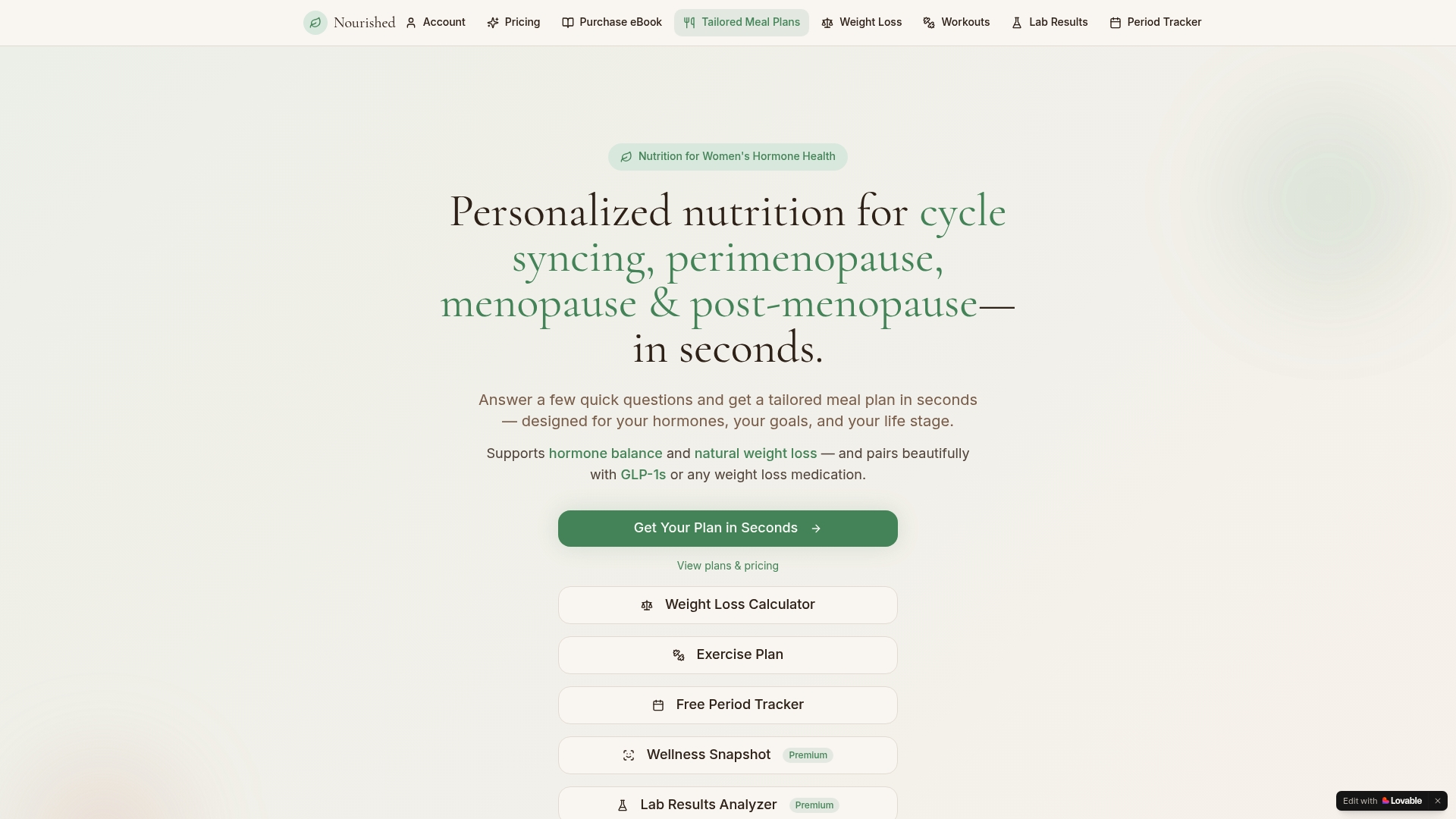
Nourished builds meal plans specifically around your hormonal needs, life stage, and sleep goals, without calorie counting or restrictive dieting. The platform uses AI to generate plans that adapt to perimenopause, menopause, and post-menopause, so the guidance you get reflects where you actually are hormonally. You can explore how Nourished works to see how personalized nutrition translates into practical daily meals. For the science behind the approach, the research and references page covers the evidence supporting hormone-healthy nutrition strategies. If you are ready to build a plan that works with your hormones rather than against them, Nourished is built for exactly this stage of life.
FAQ
What foods help with perimenopause sleep disruption?
Foods rich in magnesium, tryptophan, and omega-3 fatty acids support sleep most directly. Leafy greens, pumpkin seeds, fatty fish, flaxseeds, tart cherries, and kiwi are among the most effective choices for women in perimenopause.
Why does blood sugar affect sleep during perimenopause?
When blood sugar drops overnight, the body releases cortisol to compensate, which wakes you up. Pairing protein and fiber with carbohydrates at dinner stabilizes glucose and reduces these cortisol-driven awakenings.
Can magnesium really improve perimenopause insomnia?
Magnesium glycinate activates GABA receptors, lowers cortisol, and supports muscle relaxation. It is one of the most evidence-supported supplements for improving sleep quality in perimenopausal women, typically taken at 200–400 mg in the evening.
How does caffeine affect sleep in perimenopause?
Caffeine sensitivity increases during perimenopause, making the stimulant effect stronger and longer-lasting. Cutting caffeine off by noon or 1 PM gives your nervous system enough time to clear it before bed.
Does eating less help or hurt perimenopause sleep?
Eating too little worsens sleep disruption by increasing cortisol and accelerating muscle loss. Adequate calorie and protein intake supports the hormonal and metabolic balance your body needs for restful sleep during perimenopause.