PMOS Diet: How to Eat for Polyendocrine Metabolic Ovarian Syndrome
Brittany Harris · October 23, 2026
PMOS Diet: How to Eat for Polyendocrine Metabolic Ovarian Syndrome
PCOS now has a new name — PMOS, or Polyendocrine Metabolic Ovarian Syndrome. The word metabolic is right there in the name, and that is where food can help most. Many women with PMOS have some degree of insulin resistance, which can drive cravings, energy crashes, weight changes and higher androgen levels.
There is no single "PMOS diet," but the same few habits come up again and again in the research and in real life.
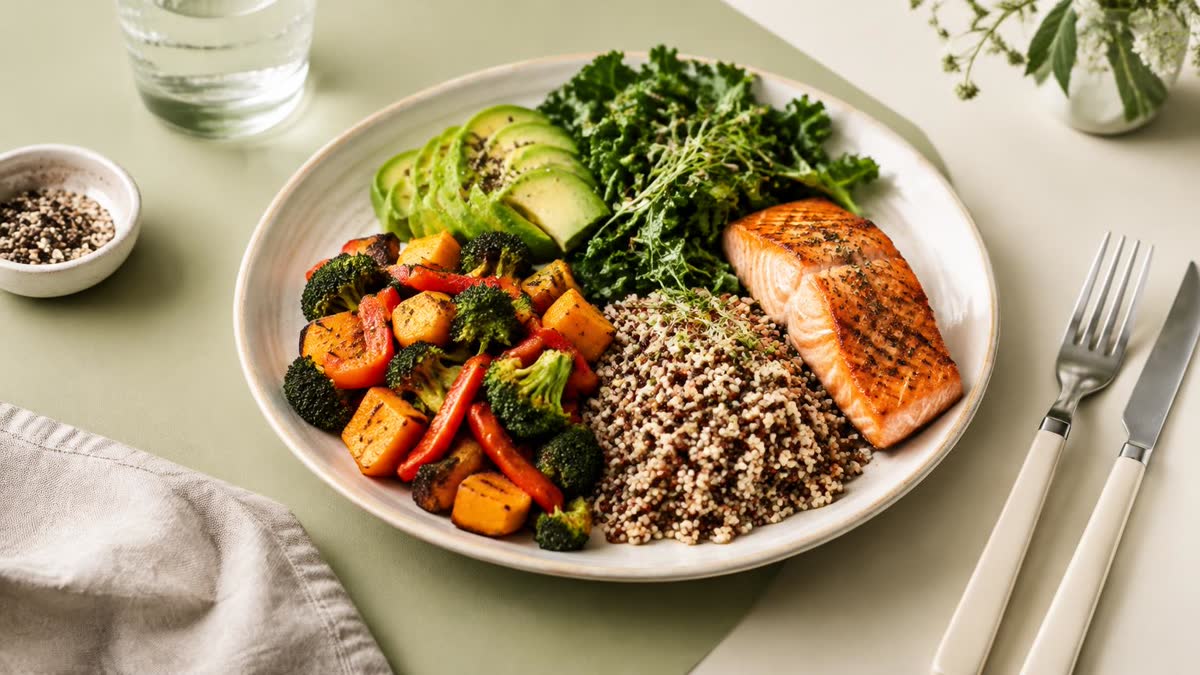
Build every plate the same way
- Protein first: eggs, Greek yogurt, chicken, fish, tofu, beans. Protein helps keep you full and steadies blood sugar.
- Fiber next: leafy greens, broccoli, berries, lentils, chia and flax.
- Healthy fats: olive oil, avocado, nuts, salmon.
- Smart carbs: a portion of quinoa, sweet potato, oats or beans rather than white bread and sugary snacks.
An easy day of eating
- Breakfast: veggie egg scramble with avocado, or Greek yogurt with berries and chia.
- Lunch: big salad with grilled chicken, chickpeas and olive oil dressing.
- Snack: apple with almond butter.
- Dinner: salmon, roasted vegetables and a scoop of quinoa.
Habits that make a difference
- Pair carbs with protein or fat instead of eating them alone.
- Take a 10-minute walk after meals.
- Add strength training two to three times a week.
- Prioritize sleep and stress relief — cortisol affects blood sugar too.
Want a full plan?
My book, PCOS Metabolic Reset, goes deeper: blood-sugar-friendly meal ideas, anti-inflammatory foods and a step-by-step approach to supporting your hormones. Everything in it applies to PMOS — it is the same condition with a more accurate name.
If you want meals planned for you, Nourished plans start at $5 and build hormone-friendly meal plans around your goals.
This article is for education only and is not medical advice. Check with your healthcare provider before changing your diet, especially if you take medication.