
Post-Menopause Recovery Nutrition Checklist for Women
Nourished · July 11, 2026
Post-Menopause Recovery Nutrition Checklist for Women
Post-menopause recovery nutrition is defined as the targeted dietary approach that preserves muscle mass, protects bone density, and stabilizes metabolism after estrogen levels permanently decline. A complete post-menopause recovery nutrition checklist addresses protein intake, anti-inflammatory food patterns, key micronutrients, fiber, and hydration. Clinical evidence sets protein needs at 1.2–1.6 g per kg of body weight daily, distributed across 3–4 meals. The National Institutes of Health recommends calcium at 1,000–1,200 mg daily for women over 50. A Mediterranean-style dietary pattern forms the strongest foundation for reducing inflammation and supporting cardiovascular health after menopause.
1. How to optimize protein intake for muscle preservation post-menopause
Protein is the single most critical macronutrient for post-menopause recovery. Estrogen loss triggers anabolic resistance, meaning your muscles respond less efficiently to protein than they did before menopause. Eating more protein, more strategically, directly counters this.

Clinical guidelines recommend 25–40 g of protein per meal, spread across 3–4 meals daily. That distribution matters as much as the total. Eating 100 g of protein in one sitting does not produce the same muscle-building signal as spreading it evenly through the day.
Leucine is the amino acid that triggers muscle protein synthesis. Each meal should contain 2–3 g of leucine to activate this process effectively. Foods naturally high in leucine include:
- Eggs (one large egg contains roughly 0.5 g of leucine)
- Chicken breast and turkey
- Canned salmon and tuna
- Greek yogurt and cottage cheese
- Edamame and tempeh for plant-based options
- Whey protein concentrate or isolate as a supplement
Timing protein around exercise amplifies its effect. Muscle protein synthesis peaks when 30–40 g of high-quality protein is consumed within 30–60 minutes after resistance training. This window is especially important post-menopause because cortisol spikes after exercise can accelerate muscle breakdown if protein is delayed.
Pro Tip: Pair resistance training with a post-workout meal containing Greek yogurt, eggs, or a whey protein shake. Even a small protein-rich snack aids cortisol management and sleep quality when a full meal is not possible.
2. Anti-inflammatory foods that support metabolic and cardiovascular health
The Mediterranean-style diet is the best-supported nutritional pattern for post-menopausal women. It reduces chronic inflammation driven by estrogen decline and supports heart health, cognitive function, and weight stability.
The core components of this pattern are extra-virgin olive oil, fatty fish rich in EPA and DHA omega-3s, legumes, and an abundance of colorful vegetables and fruits. Omega-3 fatty acids from sources like salmon, sardines, and mackerel provide both anti-inflammatory and cognitive benefits. Targeting 30 or more diverse plant foods weekly supports gut microbiome diversity, which directly influences hormonal metabolism and mood.
| Anti-inflammatory foods to prioritize | Pro-inflammatory foods to limit |
|---|---|
| Extra-virgin olive oil | Refined vegetable oils (corn, soybean) |
| Fatty fish (salmon, sardines, mackerel) | Processed meats and fast food |
| Colorful vegetables and leafy greens | Added sugars and sweetened drinks |
| Berries, cherries, and citrus fruits | White bread and refined grains |
| Legumes (lentils, chickpeas, black beans) | Alcohol and trans fats |
| Nuts and seeds (walnuts, flaxseed) | Ultra-processed snack foods |
Limiting processed foods and added sugars is not optional in a solid nutrition plan for menopause. These foods spike blood glucose, raise triglycerides, and worsen the low-grade inflammation that estrogen once suppressed.
Pro Tip: Add one tablespoon of ground flaxseed to oatmeal or yogurt daily. Flaxseed contains lignans, a class of polyphenols that support estrogen metabolism and gut health with minimal effort.
3. Crucial micronutrients for bone strength and hormonal balance
Bone loss accelerates sharply in the first few years after menopause. The right micronutrients slow that process and protect long-term mobility.
Calcium is the structural mineral of bone. Women over 50 need 1,000–1,200 mg daily from food and supplements combined. Strong dietary sources include:
- Dairy products (milk, yogurt, hard cheese)
- Fortified plant milks (almond, oat, soy)
- Canned sardines and salmon with bones
- Kale, bok choy, and broccoli
- Fortified orange juice and tofu
Vitamin D3 controls how much calcium your body actually absorbs. Optimal serum levels sit at 40–60 ng/mL, and most postmenopausal women need 1,000–2,000 IU of supplemental D3 daily to reach that range. A blood test every 6–12 months confirms your level and guides your dose.
Vitamin K2 MK-7 works alongside vitamin D3 to direct calcium into bones rather than arteries. 100–200 mcg of K2 MK-7 daily activates osteocalcin, the protein that binds calcium to bone tissue. Taking D3 without K2 increases the risk of vascular calcification over time.
Magnesium at 300–400 mg daily, preferably in glycinate or malate form, activates vitamin D and supports sleep quality and mood. Most postmenopausal women have subclinical magnesium deficiency, which means standard blood tests often miss it.
One often-overlooked post-menopause dietary tip: reassess iron supplementation. Iron requirements drop from 18 mg to approximately 8 mg daily after menstruation stops. Continuing high-dose iron supplements raises oxidative stress and cardiovascular risk. Discontinue iron supplements unless a physician confirms a clinical need.
| Micronutrient | Daily target | Best sources |
|---|---|---|
| Calcium | 1,000–1,200 mg | Dairy, fortified plant milks, sardines |
| Vitamin D3 | 1,000–2,000 IU | Sunlight, fatty fish, supplements |
| Vitamin K2 MK-7 | 100–200 mcg | Natto, aged cheese, supplements |
| Magnesium | 300–400 mg | Pumpkin seeds, dark chocolate, supplements |
| Iron | ~8 mg (food only) | Red meat, lentils (reassess supplements) |
4. Managing fiber, hydration, and blood sugar stability
Fiber controls blood glucose, feeds beneficial gut bacteria, and supports the estrogen metabolism pathway through the digestive tract. The daily target for postmenopausal women is 30–45 g of fiber from whole grains, vegetables, legumes, and fruit.
Most women eating a standard American diet consume roughly half that amount. Closing the gap requires deliberate food choices at each meal. High-fiber foods that also support hormonal health include:
- Oats and barley (beta-glucan fiber for blood sugar control)
- Lentils and chickpeas (prebiotic fiber for gut microbiome)
- Flaxseed and chia seeds (fiber plus phytoestrogens)
- Raspberries, pears, and apples with skin
- Broccoli, Brussels sprouts, and artichokes
Added sugars should stay below 10% of total daily calories. Ideally, limiting added sugar to 5–6% of calories produces better blood glucose stability and reduces visceral fat accumulation, which rises after menopause.
Hydration is a frequently underestimated factor in post-menopause health. 33 ml of water per kg of body weight daily supports temperature regulation, kidney function, and skin integrity. For a 150-pound woman (about 68 kg), that equals roughly 2.2 liters per day. Spread intake evenly through the day and prioritize water over juice, soda, or alcohol.
Pro Tip: Increase fiber intake gradually over 2–3 weeks. Adding too much fiber too quickly causes bloating and gas. Start by adding one high-fiber food per meal, then build from there.
Key takeaways
Post-menopause recovery nutrition works best when protein, anti-inflammatory foods, targeted micronutrients, and adequate fiber are combined consistently rather than applied in isolation.
| Point | Details |
|---|---|
| Prioritize protein at every meal | Eat 25–40 g of high-quality protein per meal, 3–4 times daily, to counter anabolic resistance. |
| Follow a Mediterranean-style pattern | Emphasize olive oil, fatty fish, legumes, and 30+ plant foods weekly to reduce inflammation. |
| Stack bone-protective micronutrients | Combine calcium, vitamin D3, and vitamin K2 MK-7 daily for effective bone mineralization. |
| Hit your fiber target | Aim for 30–45 g of fiber daily from whole grains, legumes, and vegetables to stabilize blood sugar. |
| Reassess iron and hydration | Drop iron supplements post-menopause unless prescribed, and drink 33 ml of water per kg of body weight daily. |
What I’ve learned about nutrition after menopause that most articles miss
The biggest mistake I see postmenopausal women make is treating nutrition as a weight-loss tool rather than a recovery and hormonal management tool. That mindset leads to under-eating protein, cutting carbs too aggressively, and skipping meals after workouts. The result is fatigue, muscle loss, and stubborn visceral fat. Overtraining without adequate fueling causes exactly the outcomes women are trying to avoid.
The second thing most articles skip is the “all or nothing” trap around post-workout nutrition. You do not need a perfect 40-gram protein shake within 30 minutes every single time. A small protein-rich snack, even two hard-boiled eggs or a cup of cottage cheese, does meaningful work for cortisol control and sleep quality. Consistency over perfection is what actually moves the needle.
What I find genuinely underappreciated is the gut-hormone connection. Eating 30 or more diverse plant foods weekly is not just a fiber strategy. It directly shapes the estrobolome, the collection of gut bacteria that metabolize estrogen. A healthier estrobolome means better hormonal balance even when ovarian estrogen production has stopped. That is a lever most women have never been told they can pull.
The protein timing guidance I trust most emphasizes leucine-rich meals spread evenly through the day, paired with resistance training at least twice a week. That combination produces measurable results in muscle retention and metabolic rate within 8–12 weeks. No supplement stack replaces it.
— Brittany
Nourished: personalized nutrition built for post-menopause recovery
Post-menopause nutrition is not one-size-fits-all. Protein needs, micronutrient gaps, and fiber targets all vary by body weight, activity level, and health history. Nourished builds personalized meal plans specifically for postmenopausal women, integrating protein distribution, anti-inflammatory food patterns, and targeted supplementation into a daily structure that requires no calorie counting.
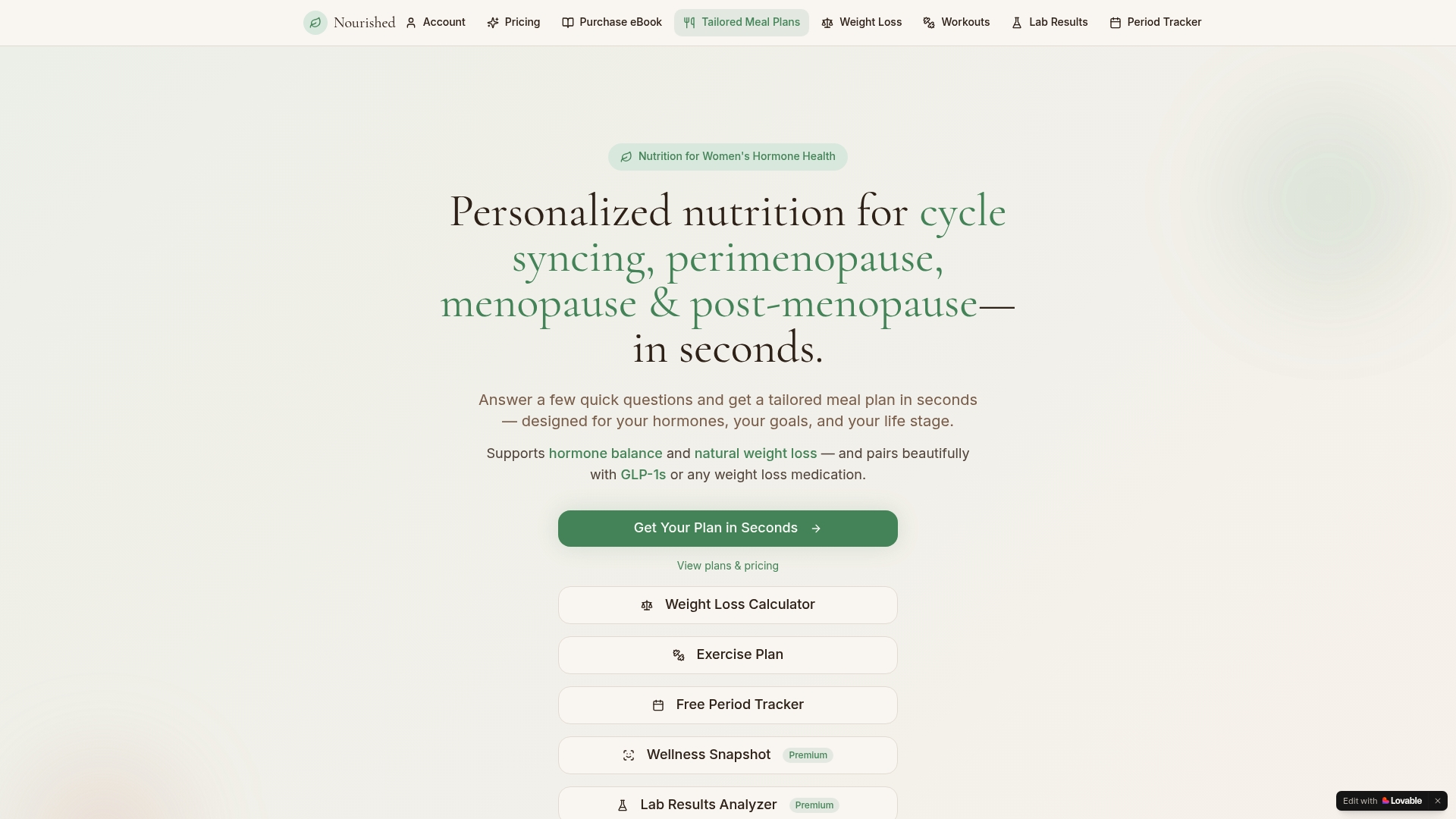
Nourished uses AI to match your nutritional needs to your hormonal profile, so your plan reflects where you actually are in the transition. The research behind every protocol is grounded in clinical evidence, including the protein, vitamin D, and fiber targets covered in this article. If you want a structured, evidence-based starting point, Nourished gives you one without the guesswork of building it from scratch.
FAQ
How much protein do postmenopausal women need daily?
Postmenopausal women need 1.2–1.6 g of protein per kg of body weight daily, split across 3–4 meals of 25–40 g each to overcome anabolic resistance and preserve muscle mass.
What is the best diet pattern for post-menopause health?
The Mediterranean-style diet is the best-supported pattern for postmenopausal women. It reduces inflammation, supports cardiovascular health, and promotes gut microbiome diversity through olive oil, fatty fish, legumes, and abundant plant foods.
Which supplements are most important after menopause?
Vitamin D3 (1,000–2,000 IU daily), vitamin K2 MK-7 (100–200 mcg), magnesium glycinate or malate (300–400 mg), and calcium from food and supplements combined (1,000–1,200 mg) form the core post-menopause supplement stack.
Should postmenopausal women take iron supplements?
Iron requirements drop to approximately 8 mg daily after menstruation stops. Continuing high-dose iron supplements raises oxidative stress and cardiovascular risk, so discontinue them unless a physician confirms a clinical need through blood testing.
How much water should a postmenopausal woman drink each day?
The target is 33 ml of water per kg of body weight daily. For a 150-pound woman, that equals roughly 2.2 liters. Spread intake evenly through the day and prioritize plain water over sugary or alcoholic drinks.