
Protein Intake Tips for Women on Weight Loss Medications
Nourished · June 28, 2026
Protein Intake Tips for Women on Weight Loss Medications
Women on weight loss medications need 1.2 to 1.6 grams of protein per kilogram of body weight daily. That target exceeds the standard adult RDA of 0.8 grams per kilogram by a significant margin. The gap exists for a clear reason: medications like GLP-1 receptor agonists suppress appetite sharply, making it easy to under-eat protein and lose lean muscle alongside fat. These protein intake tips for women on weight loss medications address that exact problem, covering daily targets, meal timing, supplement selection, and practical strategies drawn from 2026 clinical guidance.
1. How to hit your protein intake target on weight loss medications
The standard RDA of 0.8 g/kg was designed for sedentary adults maintaining weight. Women on medications to support weight loss are in a calorie deficit with suppressed appetite. That combination creates a real risk of muscle loss, which slows metabolism and reduces physical strength. Hitting 1.2 to 1.6 grams per kilogram of body weight daily is the clinically supported range to prevent that outcome.
For a woman weighing 165 pounds (75 kg), that means 90 to 120 grams of protein per day. Tracking this number for even one week reveals how quickly appetite suppression can pull intake below target. A food log or a nutrition app makes the gap visible and correctable.

2. Distributing protein across meals when appetite is suppressed
Spreading protein evenly across 3–4 meals or snack occasions produces better muscle protein synthesis than eating the same total amount in one or two large meals. The body can only use so much protein at once for muscle repair and maintenance. Frequent, moderate servings keep that process running throughout the day.
The practical breakdown looks like this:
- Breakfast: 40–50 grams, when appetite is typically strongest before medication effects peak
- Lunch: 25–30 grams, prioritizing protein before vegetables or grains
- Afternoon snack: 15–20 grams, using a shake or Greek yogurt if appetite is low
- Dinner: 20–25 grams, keeping portions manageable
Prioritizing protein early in each meal before satiety sets in is one of the most effective adjustments women on GLP-1 medications can make. Eat the chicken or eggs first. Leave the salad for after.
Pro Tip: On low-appetite days, swap solid protein for a liquid source like a whey protein shake or a high-protein smoothie. Liquid protein bypasses chewing fatigue and stomach volume limits, making it easier to hit your daily target without discomfort.
3. Choosing the right protein sources for dieting on medication
Whole foods remain the foundation of any healthy protein intake plan. Balancing animal and plant-based protein sources provides not just protein quantity but also fiber, vitamins, and phytochemicals that support gut and cardiometabolic health. Relying exclusively on animal proteins risks missing those nutrients entirely.
Strong whole-food protein sources include:
- Animal-based: eggs, chicken breast, canned tuna, cottage cheese, Greek yogurt, salmon
- Plant-based: edamame, lentils, black beans, tofu, tempeh, high-protein whole grain bread
When whole foods fall short due to appetite suppression, protein supplements fill the gap. The criteria for a quality supplement are straightforward: 20–30 grams of protein per serving, under 200 calories, and less than 5 grams of sugar. Whey protein isolate meets all three and adds a practical benefit: its high leucine content directly triggers muscle protein synthesis.
Plant-based protein powders (pea, rice, hemp blends) work well for women with dairy sensitivities or vegetarian preferences. They digest more slowly, which can actually reduce nausea for some medication users.
Pro Tip: Check the supplement label for added sugars before buying. Many flavored protein powders contain 10–15 grams of sugar per serving, which adds unnecessary calories and can spike blood sugar, working against your medication’s effects.
One caution worth stating directly: extreme diets like keto and carnivore were not designed for long-term use alongside weight loss medications. They can worsen digestive side effects, increase nutrient deficiencies, and raise cardiovascular risk through excess saturated fat. Sustainable, nutrient-dense whole foods outperform restrictive fad diets for women in this situation.
4. Practical weight loss meal plans built around protein
Protein-focused weight loss meal plans work best when protein is treated as the anchor of every meal, not an afterthought. Build the meal around the protein source first, then add vegetables, healthy fats, and complex carbohydrates around it.
Breakfast deserves special attention. Appetite is typically strongest in the morning before medication effects intensify. A breakfast of two eggs, half a cup of cottage cheese, and a small handful of nuts can deliver 35–40 grams of protein before 9 a.m. That front-loading reduces pressure on later meals when hunger may be minimal.
Practical strategies for consistent protein intake throughout the day:
- Prep protein snacks in advance: hard-boiled eggs, individual Greek yogurt cups, or pre-portioned edamame
- Keep a protein shake ready for days when cooking feels unappealing
- Use soft, easily digestible protein foods like Greek yogurt, cottage cheese, and blended shakes to reduce nausea and reflux
- Monitor energy levels weekly. Persistent fatigue often signals that protein intake has dropped below target
Pro Tip: Plate your protein first, literally. Serve the chicken, fish, or tofu onto your plate before adding anything else. This visual and physical cue reinforces protein as the meal’s main event, not a side dish.
5. How protein preserves muscle and metabolic health during medication-assisted weight loss
Adequate protein during medication-assisted weight loss reduces lean mass loss, which directly preserves metabolic rate. Muscle tissue burns more calories at rest than fat tissue. Losing muscle while losing weight means the body burns fewer calories over time, making weight maintenance harder after medication ends.
Physical strength and function matter beyond metabolism. Women who preserve lean mass during weight loss maintain better mobility, balance, and daily energy. These outcomes affect quality of life in concrete, measurable ways.
Clinical evidence from 2026 confirms that women on GLP-1 medications who meet protein targets of 1.2 to 1.6 grams per kilogram of body weight experience significantly less lean mass loss compared to those who do not. Protein intake is the single most modifiable dietary variable for protecting muscle during medication-assisted weight loss.
Individual protein needs should be monitored alongside lean mass, hydration, and energy status. Adjusting targets and formats over time is not a failure. It is the correct response to how the body changes during weight loss.
6. Why supplements are tools, not solutions
Protein supplements support convenience and satiety. They do not replace whole food nutrition. Their benefit depends on maintaining a calorie deficit alongside proper whole food intake. A woman who replaces three meals with protein shakes will likely miss fiber, micronutrients, and the satiety signals that come from chewing real food.
The best use of supplements is targeted: fill the gap on low-appetite days, add protein to a meal that falls short, or provide a fast option post-workout. Whole foods anchor the diet. Supplements cover the edges.
High-protein diets that rely heavily on animal proteins with saturated fats carry cardiovascular risk over time. Variety across protein sources, both animal and plant-based, protects against that outcome while keeping meals interesting and nutritionally complete.
Key takeaways
Adequate protein intake is the most critical dietary variable for women on weight loss medications because it preserves lean muscle, supports metabolism, and prevents the physical decline that appetite suppression alone can cause.
| Point | Details |
|---|---|
| Daily protein target | Aim for 1.2–1.6 g per kg of body weight, well above the standard RDA of 0.8 g/kg. |
| Meal distribution | Spread protein across 3–4 meals, with the largest serving at breakfast when appetite peaks. |
| Supplement criteria | Choose supplements with 20–30 g protein, under 200 calories, and less than 5 g sugar per serving. |
| Soft foods reduce side effects | Greek yogurt, cottage cheese, and blended shakes minimize nausea and reflux from medication. |
| Muscle preservation matters | Hitting protein targets reduces lean mass loss, which keeps metabolic rate stable long-term. |
My honest take on protein and weight loss medications
I have worked with enough women navigating GLP-1 medications to know that the protein advice most articles give is too rigid. “Hit 120 grams every day” sounds simple until you are three days into a medication adjustment and the thought of a chicken breast makes your stomach turn.
The women who succeed long-term are not the ones who follow a perfect plan. They are the ones who adapt. On a rough day, a protein-rich smoothie counts. A cup of cottage cheese at 10 p.m. counts. The goal is the weekly average, not a flawless daily record.
What I push back on hardest is the idea that supplements are cheating. They are not. Whey isolate and pea protein are real food in a different form. Using them strategically is exactly what they are designed for. The women who resist supplements often fall furthest behind on protein targets.
The other thing I see consistently: women who treat protein as a separate task, not just part of a meal, hit their targets more reliably. They think “I need 30 grams of protein right now” before they think about the rest of the plate. That mental shift is small but the results are not.
— Brittany
Nourished supports hormone-healthy nutrition for women on weight loss medications
Women on weight loss medications need more than a generic meal plan. They need nutrition built around their hormones, their appetite patterns, and their specific life stage.
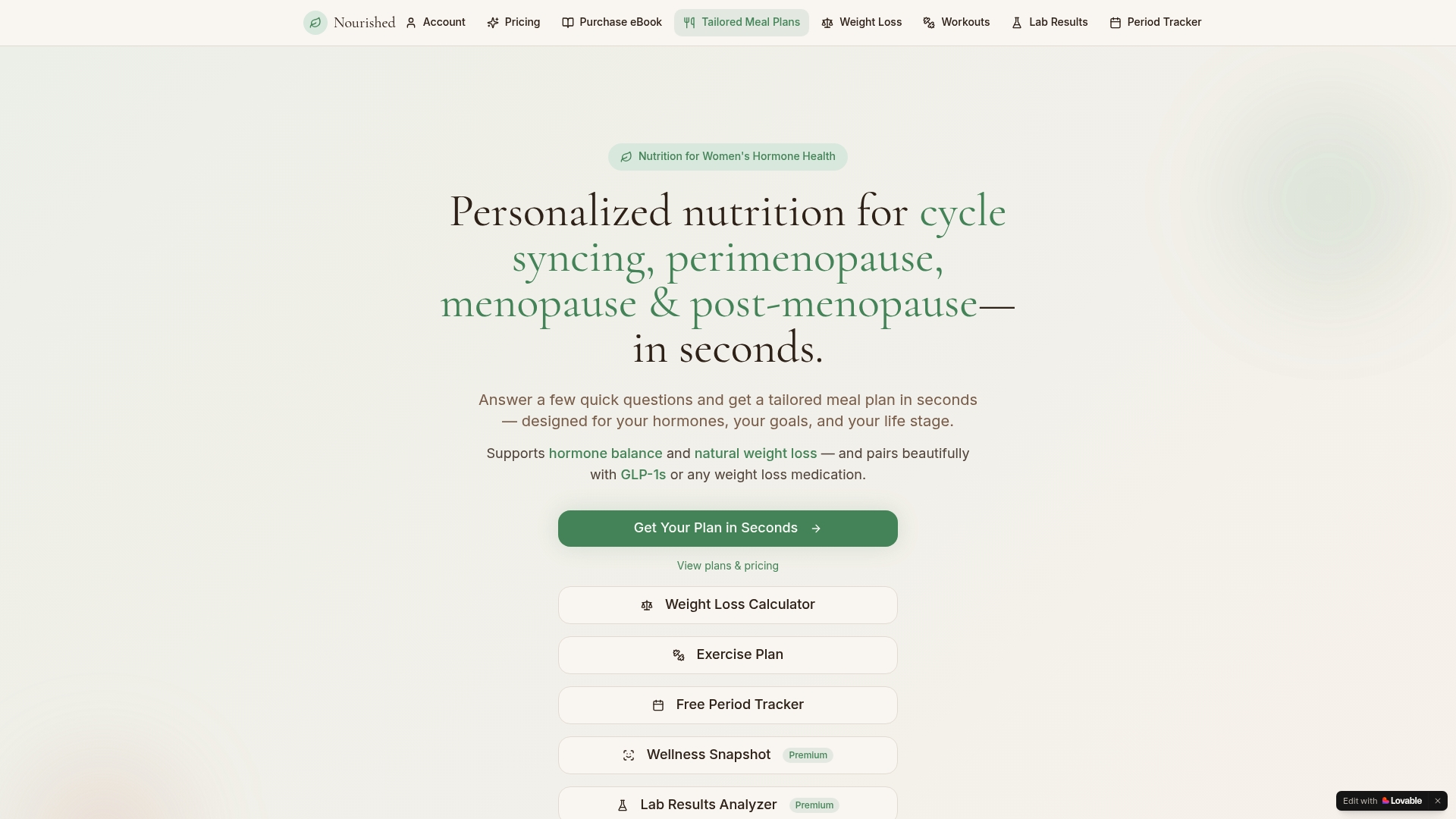
Nourished builds personalized meal plans for women at every hormonal stage, from active cycles to perimenopause and beyond. The platform uses AI to match nutrition to your body’s actual needs, with no calorie counting and no restrictive rules. Protein targets, food preferences, and digestive comfort are all factored in from the start. If you are managing weight loss medications alongside hormonal changes, Nourished gives you a plan that accounts for both. Visit nourished.today to get started.
FAQ
How much protein do I need daily on weight loss medication?
Women on weight loss medications should target 1.2 to 1.6 grams of protein per kilogram of body weight daily. This exceeds the standard RDA of 0.8 g/kg and is necessary to preserve lean muscle during a calorie deficit.
What are the best protein foods for losing weight on medication?
Soft, easily digestible options like Greek yogurt, cottage cheese, eggs, and canned fish work well because they reduce nausea and reflux. Plant-based options like edamame, lentils, and tofu add fiber and micronutrients that support gut health.
Can I use protein supplements while on weight loss medications?
Yes. Choose supplements with 20–30 grams of protein, under 200 calories, and less than 5 grams of sugar per serving. Whey protein isolate is a strong choice for its leucine content and rapid digestion.
When is the best time to eat protein on weight loss medication?
Eat the largest protein serving at breakfast when appetite is strongest. Prioritize protein at the start of every meal before satiety from medication reduces your capacity to eat.
Will eating more protein help me keep muscle while losing weight?
Maintaining adequate protein during medication-assisted weight loss directly reduces lean mass loss and preserves metabolic rate. Muscle loss slows metabolism and makes long-term weight maintenance harder, so protein intake is the most important dietary lever to protect.