Low Iron and Female Energy: What the Research Actually Shows
Nourished · August 26, 2026
Low Iron and Female Energy: What the Research Actually Shows
Low iron commonly lowers energy in women, and it does so even before a standard blood test would flag anemia. The clearest evidence comes from a randomized controlled trial that gave oral iron to nonanemic menstruating women with low ferritin: over 12 weeks, fatigue dropped substantially more than on placebo, showing a clear benefit for iron. Improvements showed up on lab work by week 6 and were more pronounced by week 12.
If you suspect this applies to you, don’t guess. Do this instead:
- Ask your clinician for a ferritin test and a complete blood count (CBC), not just hemoglobin alone
- Avoid starting high-dose iron on your own before testing. Excess iron isn’t harmless
- Expect any real improvement to take 6 to 12 weeks, not days
Key Takeaways
Iron deficiency, even without anemia, can meaningfully reduce energy in women, and correcting it with tested, monitored supplementation often improves fatigue within 6 to 12 weeks.
| Point | Details |
|---|---|
| Test before treating | Request ferritin and a CBC; don’t start high-dose iron without lab confirmation. |
| Fatigue can precede anemia | Ferritin may be low with normal hemoglobin, so ask for the full panel, not just hemoglobin. |
| Give treatment time | Expect measurable change by 6 weeks and clearer improvement by 12 weeks of oral iron. |
| Balance benefits and side effects | Oral iron reduces fatigue but raises GI side effects; alternate-day dosing or vitamin C pairing can help. |
| Support diet with personalized planning | Nourished’s cycle-aware meal plans and free tracker help time iron-rich foods around your cycle and training. |
Table of Contents
- The Role of Iron in Female Energy Levels: How It Actually Works
- Female Iron Deficiency Symptoms That Often Get Missed
- Which Iron Tests to Ask For and What the Numbers Mean
- Who Is Most Likely to Run Low on Iron
- Treating Low Iron: What Actually Helps and What to Expect
- Eating for Iron: Food Sources and Absorption Tricks
- When Fatigue Needs Medical Attention, Not Just Diet Changes
- How Nourished Supports Iron-Smart Energy Habits
- Why I Think Women Dismiss Their Own Fatigue Too Quickly
- Try a Cycle-Aware Approach to Iron and Energy
- Sources
The Role of Iron in Female Energy Levels: How It Actually Works
Iron’s job in your body is almost entirely about oxygen. Roughly two-thirds of your body’s iron lives in hemoglobin, the protein in red blood cells that grabs oxygen in your lungs and drops it off in every tissue that needs it. When iron stores fall, hemoglobin production falls with them, and less oxygen reaches your muscles and your brain. That’s the biological root of the exhaustion so many women describe as “just tired all the time.”
Myoglobin, iron’s less famous cousin, stores oxygen directly inside muscle fibers so they have a reserve to draw on during activity. Low iron shrinks that reserve, which is one reason a flight of stairs suddenly feels like a hike.
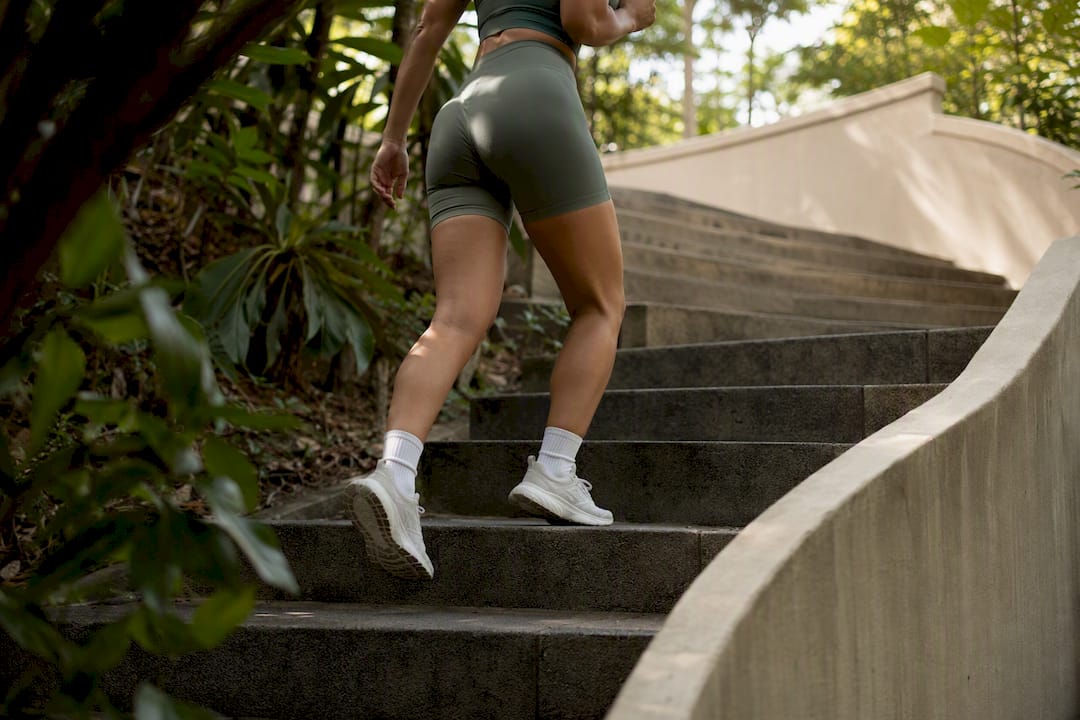
Iron deficiency can lower the lactate threshold, the point where your muscles switch from clean aerobic metabolism to the anaerobic kind that produces the burning, heavy-legged fatigue of overexertion, by a noticeable margin.
That figure comes from research on active, iron-deficient women, including IV iron trials in exercise physiology showing that correcting iron status restored running economy and pushed the lactate threshold back up within weeks. Beyond oxygen transport, iron is a cofactor for enzymes involved in mitochondrial energy production, which is why deficiency doesn’t just cause breathlessness. It can blunt cellular energy output at a level no amount of sleep will fix.
- Hemoglobin carries oxygen from lungs to tissue
- Myoglobin stores oxygen inside muscle for use during exertion
- Iron-dependent enzymes support mitochondrial energy production
- Deficiency pushes muscles toward anaerobic metabolism sooner during exercise
Female Iron Deficiency Symptoms That Often Get Missed
Fatigue that limits your normal activities, not just end-of-day tiredness, is the hallmark symptom, and it’s often paired with breathlessness on stairs or during a workout that used to feel easy. But the more interesting symptoms are the ones women rarely connect to iron.
- Persistent, activity-limiting fatigue that doesn’t resolve with more sleep
- Shortness of breath with mild exertion, like walking uphill or climbing stairs
- Noticeably worse exercise tolerance or slower recovery after workouts
- Hair thinning or increased shedding
- Brittle nails, sometimes with a spoon-shaped indentation
- Pica, an unusual craving to chew ice or eat non-food items
- Restless legs at night
- Brain fog and trouble concentrating
Here’s the detail most women never hear: ferritin, your iron storage marker, can be well below normal while your hemoglobin still reads as “normal” on a standard panel. That means you can have every symptom of low iron and still get told your blood work looks fine, because the test that would have caught it, ferritin, was never ordered.
Which Iron Tests to Ask For and What the Numbers Mean
A full iron workup means more than hemoglobin, and asking for the wrong panel is the single most common reason low iron gets missed in women.
- Complete blood count (CBC), which reports hemoglobin
- Serum ferritin, the best marker of stored iron
- Serum iron and total iron-binding capacity (TIBC), used to calculate transferrin saturation (TSAT)
- C-reactive protein (CRP), to check whether inflammation is skewing your ferritin reading
The thresholds clinicians actually use: a ferritin below 30 µg/L generally signals depleted iron stores, but many clinicians treat symptomatic women, especially athletes, once ferritin drops below 50 µg/L, because fatigue often shows up before storage is fully exhausted. Anemia in women is typically defined around a hemoglobin below 12 g/dL, though labs vary slightly.
The catch: ferritin is an acute-phase reactant, meaning inflammation, illness, or even a recent cold can push it artificially higher and mask a true deficiency. That’s why a single test in isolation can mislead you, and why clinicians following trial protocols recommend rechecking labs around the 6-week mark once treatment starts, rather than relying on one snapshot.
Who Is Most Likely to Run Low on Iron
Not every woman is at equal risk, and knowing where you fall on this list is the fastest way to decide whether testing is worth the conversation with your doctor.
- Menstruating women, especially those with heavy periods (soaking through a pad or tampon in under two hours, or bleeding longer than seven days)
- Pregnant and postpartum women, whose iron needs rise sharply to support increased blood volume
- Frequent blood donors and women with GI conditions that cause chronic, low-grade blood loss
- Active women and athletes, who lose iron through sweat, GI microbleeding, and a temporary rise in hepcidin, a hormone that blocks iron absorption for hours after intense exercise
- Vegetarians and vegans, since plant-based (non-heme) iron is absorbed far less efficiently than iron from meat
Pro Tip: If you work out hard and eat mostly plants, you’re stacking two risk factors at once. Timing your iron-rich meals away from your hardest training sessions, rather than right after, can help sidestep the post-exercise absorption dip.
Treating Low Iron: What Actually Helps and What to Expect
Oral iron is still the first-line approach for most women, and the evidence for it is stronger than most people realize. In the 12-week trial mentioned earlier, women taking oral iron saw fatigue scores improve nearly 50% from baseline, with measurable lab changes as early as 6 weeks. That’s the timeline to hold yourself to: don’t judge oral iron a failure at two weeks.
- Ferrous sulfate, ferrous gluconate, and ferrous bisglycinate are common oral forms; bisglycinate tends to be gentler on the stomach
- Taking iron with vitamin C improves absorption
- Alternate-day dosing, rather than daily, is a strategy some clinicians now use to reduce gut irritation while preserving absorption
- Recheck labs around 6 weeks, with a fuller picture by 12 weeks
Daily iron supplementation reliably reduces anemia and iron-deficiency symptoms, but a systematic review of menstruating women found it also increases gastrointestinal side effects like constipation and diarrhea, a real tradeoff worth discussing with your clinician rather than pushing through silently.
If oral iron isn’t tolerated, doesn’t work, or you have malabsorption (celiac disease, inflammatory bowel disease, or prior bariatric surgery, for example), intravenous iron is a reasonable next step. IV iron works faster. Trials in iron-deficient active women showed improved running economy and lactate threshold within about 4 weeks of IV correction. It’s typically reserved for more severe cases or when oral iron has genuinely been given a fair trial first.
Eating for Iron: Food Sources and Absorption Tricks
Food-first strategies matter even if you end up on a supplement, since diet affects how much of that supplement actually gets absorbed.
- Prioritize heme iron from red meat, poultry, and fish. It’s absorbed two to three times more efficiently than plant-based iron
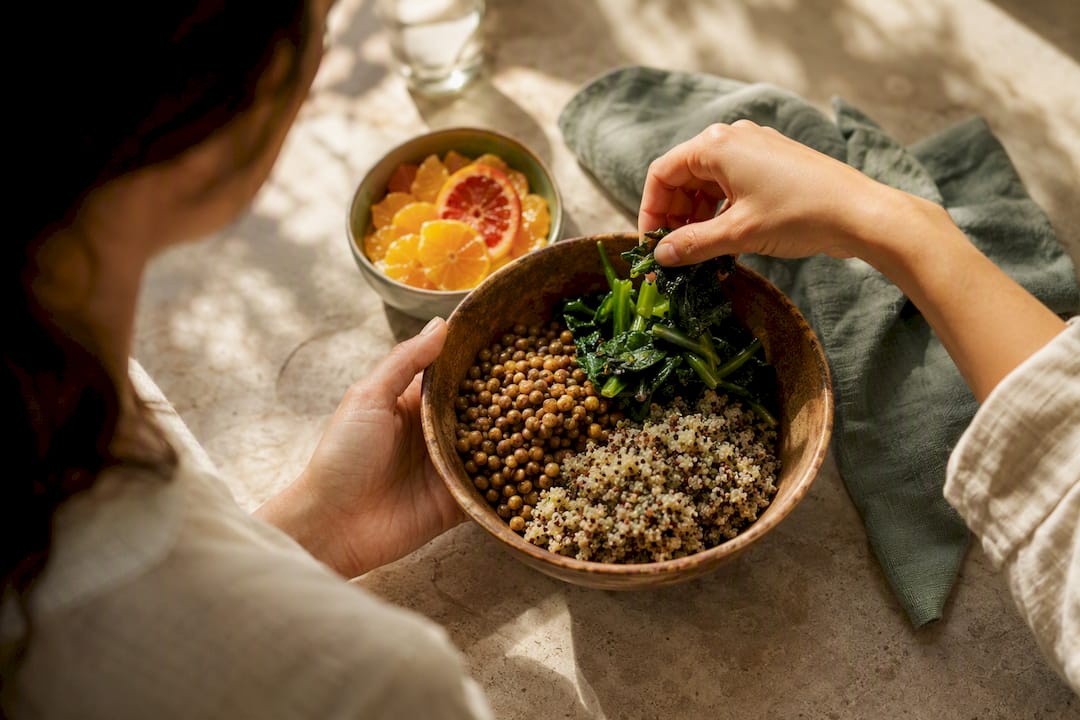
- Pair non-heme sources, lentils, spinach, tofu, fortified cereal, with a source of vitamin C, like citrus, bell peppers, or strawberries, to boost absorption
- Separate iron-rich meals from calcium supplements or large servings of dairy by a couple of hours; calcium competes with iron for absorption
- Hold off on tea or coffee right around iron-rich meals; the polyphenols and tannins in both can significantly blunt uptake
- If you exercise intensely, try eating your main iron-rich meal a few hours before or well after training to sidestep the temporary absorption dip that follows hard workouts
Nutrition guides focused on other deficiency-linked conditions, like this practical guide to food timing and interactions, make a similar point: what you eat around a key nutrient matters as much as how much of it you eat.
When Fatigue Needs Medical Attention, Not Just Diet Changes
Most low-iron fatigue is manageable with testing and treatment, but some symptoms need urgent evaluation, not a supplement trial.
- Severe dizziness, chest pain, or fainting
- Rapid, unexplained decline in physical function
- Heavy bleeding alongside fatigue, which may need GI or gynecologic evaluation
The safe path: test first, treat based on results, recheck labs around 6 weeks, and ask about a referral if bleeding or absorption issues are suspected.
How Nourished Supports Iron-Smart Energy Habits
Correcting low iron isn’t only about supplements. It’s about eating in a way that matches your cycle and your activity level, which is where personalized nutrition earns its keep.
- Cycle-syncing meal plans that time iron-rich foods to the phases when your body needs them most
- AI-built plans that pair iron sources with vitamin C and help you space out calcium or coffee accordingly
- A free period and cycle tracker to spot fatigue patterns tied to your cycle over time
Brittany, a contributor focused on hormone health and nutrition, helped shape this practical, cycle-aware approach to dietary iron.
Why I Think Women Dismiss Their Own Fatigue Too Quickly
Most women wait far too long before questioning fatigue they’ve normalized for years. Testing early, then pairing results with real dietary changes, beats guessing every time.
— Brittany
Try a Cycle-Aware Approach to Iron and Energy
There’s real value in pairing what your bloodwork shows with a nutrition plan that actually adapts to your body. A generic “eat more spinach” list doesn’t account for where you are in your cycle, how hard you train, or what’s realistically absorbable at a given meal. Nourished builds personalized meal plans that time iron-rich foods and their absorption partners around your cycle phase and activity level, so the food-first strategies in this article aren’t a one-size-fits-all list you have to figure out alone.

If you’re waiting on lab results or just want to start eating smarter around your cycle now, the free period and cycle tracker is a no-cost way to begin spotting patterns between your cycle, your energy, and your food choices. Pair it with a look at how Nourished’s evidence-based approach works, then try a personalized plan built around what your body actually needs this month.
Sources
- Effect of iron supplementation on fatigue in nonanemic menstruating women with low ferritin: a randomized controlled trial
- IRONWOMAN Trial — IV iron and exercise metabolism in iron-deficient active women
- Iron — Health Professional Fact Sheet (NIH ODS)
This article is general information, not a substitute for advice from a qualified doctor. Consult a qualified healthcare professional about your own circumstances before acting on anything here.