
Vitamins and Supplements Checklist for Weight Loss Drugs
Nourished · August 16, 2026
Vitamins and Supplements Checklist for Weight Loss Drugs
If you’re taking a GLP-1 medication like semaglutide (Ozempic, Wegovy) or tirzepatide (Mounjaro, Zepbound), here is the core vitamin supplements weight loss drug checklist to bring to your next appointment:
Day 1 priorities (start with your prescriber’s approval):
- Protein: Target 1.2–1.6 g per kg of body weight daily to preserve lean muscle mass
- Daily multivitamin: A broad-spectrum multi covers the micronutrient gaps that open up fast when appetite drops
- Magnesium glycinate or citrate: 200–400 mg daily for muscle cramps, constipation, and sleep
- Vitamin D3 (with K2): Only after testing; most people on reduced-calorie diets are low
Labs to order before or right after starting medication:
- 25-OH vitamin D
- Vitamin B12
- Ferritin (iron stores)
- Comprehensive metabolic panel (CMP) for electrolytes and kidney/liver function
- Complete blood count (CBC)
- Thyroid panel (TSH, free T4)
- RBC magnesium
- Zinc
Do not take unregulated weight-loss formulas, stimulant/thermogenic blends, or high-dose single nutrients without lab confirmation of deficiency. JAMA Internal Medicine guidance recommends dietary adjustments first and targeted supplementation based on test results, not guesswork.
Immediate safety warnings: Tell your prescriber and pharmacist every supplement you plan to add. Space minerals (calcium, iron, zinc) at least 4 hours from levothyroxine or other thyroid medications. Watch for dizziness, very low urine output, or severe muscle weakness, and call your clinician immediately if any of those appear.
Pro Tip: Print this checklist and bring it to your first or next prescriber visit. Ask specifically: “Which of these should I start now, and which should wait for lab results?”
Key Takeaways
People on GLP-1 weight-loss medications need a test-first, food-first approach: baseline labs before supplementing, a protein target of 1.2–1.6 g/kg/day, and targeted supplements only where deficiency is confirmed.
| Point | Details |
|---|---|
| Test before you supplement | Order 25-OH vitamin D, B12, ferritin, CMP, CBC, and thyroid labs before adding targeted supplements. |
| Protein is the top priority | Aim for 1.2–1.6 g of protein per kg of body weight daily, paired with resistance training 2–3 times per week. |
| Start Day 1 with three items | A broad-spectrum multivitamin, magnesium glycinate or citrate, and a protein strategy are safe to begin immediately. |
| Avoid stimulant blends and unregulated formulas | Thermogenic products and proprietary weight-loss blends carry adulteration risk and no clinical benefit for GLP-1 users. |
| Nourished supports your food-first plan | Nourished’s personalized meal plans help women meet protein and micronutrient targets on a reduced appetite, as a complement to prescriber care. |
Table of Contents
- Why GLP-1 medications change what your body needs from food
- Your detailed supplement checklist, nutrient by nutrient
- What to avoid or use with extreme caution on weight-loss medications
- How to pick safer supplements and what to bring to your prescriber
- Diet and non-supplement strategies for nausea, constipation, and low energy
- Red flags and when to stop a supplement and call your clinician
- Your printable one-page checklist for prescriber appointments
- What the clinical evidence actually says about supplements on weight-loss medications
- What actually matters most when you are on weight-loss medication
- Nourished supports the food-first side of your weight-loss medication plan
- Sources
Why GLP-1 medications change what your body needs from food
GLP-1 and dual-agonist medications suppress appetite so effectively that calorie intake can drop by several hundred calories per day within the first week, which compresses the window for getting adequate protein, vitamins, and minerals from food alone.
Three mechanisms drive the nutrient risk. First, appetite suppression is the most obvious: you simply eat less, so total micronutrient intake falls. Second, delayed gastric emptying slows the release of food into the small intestine, which directly impairs the absorption of vitamin B12 (intrinsic factor-dependent absorption requires normal stomach acid and motility). Third, rapid fat loss releases fat-stored compounds but also means the body is drawing down fat-soluble vitamin reserves faster than a typical diet would.
GI side effects add another layer. Nausea, vomiting, and diarrhea are common, especially in the first 4–8 weeks of dose escalation. Each episode of vomiting or loose stool can deplete potassium, sodium, and magnesium. Constipation, which affects a significant share of GLP-1 users, signals slowed gut transit that compounds the absorption problem.
Timing matters more than most people expect. Nutrient gaps can begin within 24–72 hours of starting the medication because appetite suppression is nearly immediate. Clinical guidance from JAMA Internal Medicine recommends baseline labs and ongoing monitoring throughout therapy, not just at the start, because measurable deficiencies in B12 and iron have been reported in cohorts followed for 6–12 months.
Your detailed supplement checklist, nutrient by nutrient
The table below summarizes the key parameters for each nutrient. Read the notes under it for the nuances that matter most.
| Nutrient | Who should check | Key lab | Quick dose range | Major red flag |
|---|---|---|---|---|
| Vitamin B12 | Everyone on GLP-1 therapy | Serum B12 | a supplemental dose of oral methylcobalamin as advised by a clinician | Tingling, numbness, fatigue |
| Iron/Ferritin | Women of reproductive age, vegetarians | Ferritin, CBC | Per prescriber; food first | Pallor, shortness of breath |
| Vitamin D3 | Most adults; especially those with limited sun | 25-OH vitamin D | maintenance dose as advised after lab testing | Bone pain, muscle weakness |
| Magnesium | Anyone with cramps, constipation, poor sleep | RBC magnesium | moderate supplemental dose as recommended by a clinician | Severe muscle cramps, arrhythmia |
| Potassium/Electrolytes | Anyone with vomiting or diarrhea | CMP | Food first; electrolyte drink if symptomatic | Muscle weakness, irregular heartbeat |
| Fiber | Anyone with constipation | Symptom-based | start with a low dose of psyllium and increase gradually with sufficient water | Bloating without adequate fluid |
| Protein | Everyone on GLP-1 therapy | Lean mass tracking | aim for an adequate protein intake to support lean mass | Muscle loss, fatigue |
| Multivitamin | Everyone starting therapy | Baseline labs | 1 broad-spectrum daily as tolerated | Nausea if taken on empty stomach |
| Omega-3s | Those with low oily fish intake | Triglycerides, diet history | 1–2 g EPA+DHA/day | Fishy burps (take with food) |
| Vitamin A | Only if deficient | Serum retinol | Do not exceed RDA without testing | Toxicity at high doses |
| Vitamin E | Only if deficient | Serum tocopherol | Do not exceed RDA without testing | Increased bleeding risk at high doses |
Vitamin B12: Slowed gastric emptying impairs the absorption of food-bound B12, and clinical reports show measurable B12 declines in GLP-1 users over time. Prefer methylcobalamin over cyanocobalamin. If serum B12 is below 300 pg/mL or symptoms appear (tingling, brain fog, fatigue), ask your prescriber about sublingual or injectable B12, which bypass the gastric absorption step entirely.
Iron and ferritin: Women of reproductive age are at highest risk. Ferritin below 30 ng/mL is a common clinical trigger for supplementation, but the form and dose matter. Ferrous bisglycinate causes less GI distress than ferrous sulfate, which is relevant when nausea is already a problem. Take iron with vitamin C and away from calcium, coffee, and tea.
Vitamin D3: Fat-soluble vitamins including D are stored in adipose tissue. As fat mass drops, some stored D is released, but reduced dietary fat intake simultaneously lowers absorption of new D3 from supplements and food. A 25-OH vitamin D level below 20 ng/mL warrants repletion; 30–50 ng/mL is a reasonable maintenance target. Take D3 with your fattiest meal of the day and pair it with vitamin K2 (MK-7 form) to support calcium metabolism.
Magnesium: Most Americans already fall short of the RDA (420 mg/day for men, 320 mg/day for women). On a GLP-1 medication with reduced food intake and possible GI losses, the gap widens. Magnesium glycinate and citrate are better absorbed and gentler on the gut than magnesium oxide. A practice checklist for GLP-1 users recommends starting magnesium on Day 1, concurrent with the medication.
Potassium and electrolytes: Potassium is best replaced through food: a banana, half an avocado, or a cup of cooked spinach each provide meaningful amounts. Supplement only if symptomatic or if CMP shows low levels, and never exceed 99 mg per dose in a single supplement without medical supervision (high-dose potassium supplements carry cardiac risk).
Fiber: Constipation is one of the most common GLP-1 side effects. Psyllium husk (5 g with at least 8 oz of water, taken away from medications) is a well-tolerated starting point. Increase gradually; adding too much fiber too fast without adequate fluid makes constipation worse, not better.
Protein: This is the most important item on the entire list. Rapid weight loss without adequate protein accelerates muscle loss, which slows metabolism and undermines long-term results. Aim for 1.2–1.6 g per kg of body weight daily, distributed across meals. When appetite is suppressed, high-protein snacks become a practical tool for hitting targets without large meals. Pair protein intake with resistance training 2–3 times per week.

Multivitamin: A broad-spectrum multivitamin is the lowest-effort safety net for micronutrient gaps. Choose one that includes methylated B vitamins (methylfolate, methylcobalamin) and iron only if your labs indicate you need it. Take it with food to reduce nausea.
Omega-3s (EPA + DHA): Reduced dietary fat intake on a GLP-1 medication can lower omega-3 intake. A dose of 1–2 g of combined EPA and DHA daily from fish oil or algae-based supplements supports cardiovascular health and may help with the inflammation that intersects with weight regulation. Take with your largest meal to minimize GI side effects.
Vitamins A and E (fat-soluble): Both accumulate in fat tissue and carry real toxicity risk at high doses. The NIH Office of Dietary Supplements sets the tolerable upper intake level for vitamin A at 3,000 mcg RAE per day for adults; chronic excess causes liver damage and bone loss. Do not supplement either vitamin without a documented deficiency. Your multivitamin already covers the RDA for both.
What to avoid or use with extreme caution on weight-loss medications
The supplement market is full of products that are actively counterproductive for people on GLP-1 therapy. Here is what to skip:
- Stimulant and thermogenic blends: Products containing high-dose caffeine, synephrine, yohimbine, or ephedra-like compounds raise heart rate and blood pressure. Combined with the cardiovascular effects of GLP-1 medications, the risk profile is not worth it.
- “Natural GLP-1” pills: Products marketed as herbal or natural alternatives to prescription GLP-1 drugs have no equivalent clinical evidence and are not regulated as drugs. Some contain undeclared active ingredients. Mayo Clinic reviews of weight-loss supplements note that some products have been found to contain undeclared prescription drugs.
- High-dose single vitamins without lab confirmation: Mega-dose vitamin D (above 4,000 IU/day without testing), high-dose vitamin A, and large amounts of zinc or selenium can cause toxicity. Reduced calorie intake does not mean you need more of everything.
- Unregulated weight-loss blends with proprietary formulas: If a label says “proprietary blend” without disclosing individual ingredient amounts, you cannot assess the dose of any single component. Adulteration risk in this category is real.
- Vitamin K supplements (if on warfarin): Vitamin K directly affects clotting. Any change in K intake, up or down, can shift INR out of range. Discuss with your prescriber before adding any K-containing supplement.
- High-dose calcium supplements: Calcium competes with iron and zinc for absorption and can bind levothyroxine. If you take thyroid medication, separate calcium by at least 4 hours. For bone health, food sources (dairy, fortified plant milks, leafy greens) are preferable to large single-dose supplements.
What to tell your pharmacist: Bring a complete list of every supplement and medication you take. Ask specifically about absorption interactions (which supplements bind which drugs) and timing rules. A safety checklist for adding supplements to prescriptions recommends adding each new supplement to a single medicines list and running an interaction check before starting.
Stop a supplement immediately and contact your prescriber if you develop a new rash, swelling, difficulty breathing, rapid heartbeat, or severe GI symptoms after starting it.
How to pick safer supplements and what to bring to your prescriber
The three-step safety sequence: test first, choose third-party tested products, start one supplement at a time with proper spacing.
Step 1: Get your baseline labs. Before adding anything beyond a multivitamin and magnesium, run the full panel: 25-OH vitamin D, B12, ferritin, CMP (electrolytes, kidney, liver), CBC, thyroid panel (TSH, free T4), RBC magnesium, and zinc. Recheck the relevant markers at 6–12 months. This is not optional; it is what separates targeted supplementation from expensive guesswork.
Step 2: Choose third-party tested products. Look for USP Verified, NSF Certified for Sport, or ConsumerLab approval on the label. These seals mean an independent lab confirmed the product contains what it claims, in the amount stated, without common contaminants. Avoid products with proprietary blends, unrealistic claims (“lose 30 lbs in 30 days”), or no listed manufacturer address.
Step 3: Start one supplement at a time, with spacing. Add one new supplement per week so you can identify the source if a side effect appears. Space minerals from interacting medications: iron and calcium should be separated from levothyroxine by at least 4 hours, and from each other when possible.
Questions to ask your prescriber or pharmacist:
- Based on my labs, which supplements do I actually need right now?
- Do any of these interact with my weight-loss medication or other prescriptions?
- Should I use sublingual or injectable B12 given my medication’s effect on gastric absorption?
- Do my kidney function results change the safe dose for magnesium or potassium?
- Is a high-dose repletion protocol needed for vitamin D, or is maintenance dosing enough?
Pro Tip: If you take levothyroxine, set a phone alarm for your thyroid medication and another alarm 4 hours later for calcium or iron. Consistent spacing is the single most effective way to prevent absorption interference, and the alarm removes the need to remember it every day.
For sublingual B12 specifically: if your serum B12 is low or borderline and you are on a GLP-1 medication, sublingual methylcobalamin (dissolved under the tongue) bypasses gastric absorption entirely and is a practical alternative to injections for most people. Injections are reserved for severe deficiency or documented malabsorption.
Diet and non-supplement strategies for nausea, constipation, and low energy
Diet and meal timing changes are the first line for most GI side effects on GLP-1 medications. Supplements are targeted adjuncts when diet alone is not enough.
For nausea:
- Eat small meals every 3–4 hours rather than two or three large ones.
- Choose bland, low-fat foods during the first 4–8 weeks of dose escalation (plain rice, toast, boiled chicken, bananas).
- Ginger, in tea or capsule form, has a reasonable evidence base for nausea relief and is generally safe.
- Avoid high-fat, fried, or heavily spiced foods, which slow gastric emptying further and amplify nausea.
- Take your multivitamin with food, never on an empty stomach.
For constipation:
- Increase fluid intake first. Aim for at least 8 cups of water daily; more if you are active or in a warm climate.
- Add fiber gradually: start with 5 g of psyllium husk in a full glass of water once daily, then increase to twice daily after one week if tolerated.
- Include soluble fiber foods (oats, chia seeds, cooked lentils) and insoluble fiber foods (leafy greens, whole grains) across the day.
- A short walk after meals stimulates gut motility and is often more effective than any supplement for mild constipation.
- If dietary changes are not enough after 2 weeks, add psyllium as a supplement and discuss osmotic laxatives with your prescriber before reaching for stimulant laxatives.
For low energy:
- Low energy in the first 4–8 weeks is usually a combination of caloric restriction, electrolyte shifts, and disrupted sleep. Prioritize protein at every meal, stay hydrated, and resist the urge to cut calories further than the medication already does.
- If fatigue persists past 8 weeks, check B12, ferritin, thyroid, and vitamin D before attributing it to the medication.
A practical guide on nutrition and training notes that resistance training 2–3 times per week, even at low intensity, significantly supports energy levels and lean mass during caloric restriction. Start with bodyweight exercises if gym access is limited.
Red flags and when to stop a supplement and call your clinician
Contact your clinician immediately if you experience:
- Dizziness or fainting (syncope), especially when standing
- Very low urine output or dark urine for more than 12 hours
- Severe muscle weakness or cramps that do not resolve with fluids and rest
- Signs of allergic reaction: hives, throat swelling, difficulty breathing
- Chest pain or irregular heartbeat after starting a new supplement
- Confusion or significant cognitive changes
Lab triggers that should prompt a clinical conversation:
- Hemoglobin falling below 11 g/dL (women) or 12 g/dL (men) suggests iron-deficiency anemia requiring evaluation
- Serum potassium below 3.5 mEq/L or above 5.5 mEq/L on CMP warrants immediate prescriber contact
- Serum sodium below 135 mEq/L (hyponatremia) can occur with excessive plain water intake without electrolytes
- Creatinine rising above your baseline on CMP may indicate kidney stress; high-dose magnesium and potassium supplements are contraindicated with impaired kidney function
- ALT or AST more than 3 times the upper limit of normal on CMP suggests possible liver stress; stop any herbal or weight-loss supplement immediately
When to stop a supplement and how to report it: Stop immediately if you develop any of the urgent symptoms above. Document the supplement name, dose, lot number, and the date symptoms started. Report adverse events to the FDA through MedWatch and tell your prescriber at the next contact. Do not restart the supplement without clinical guidance.
Your printable one-page checklist for prescriber appointments
Day 1 checklist (bring to your first appointment):
- [ ] Protein target set: _______ g/day (1.2–1.6 g/kg body weight)
- [ ] Broad-spectrum multivitamin selected (with methylated B vitamins): Yes / No
- [ ] Magnesium glycinate or citrate (200–400 mg/day): Yes / No
- [ ] Labs ordered: 25-OH vitamin D, B12, ferritin, CMP, CBC, TSH/free T4, RBC magnesium, zinc
- [ ] Complete medicines list updated with all supplements: Yes / No
- [ ] Pharmacist interaction check completed: Yes / No
- [ ] Resistance training plan initiated (2–3x/week): Yes / No
Ongoing monitoring schedule:
Yes/No decision prompts:
- Have you tested before starting this supplement? Yes / No (if No, test first)
- Is the product third-party tested (USP, NSF, ConsumerLab)? Yes / No (if No, choose a different product)
- Is a new symptom present since starting this supplement? Yes / No (if Yes, stop and contact prescriber)
- Are you spacing minerals at least 4 hours from thyroid medication? Yes / No
Formatting note: This checklist prints cleanly in portrait orientation. Save it as a PDF or screenshot it to your phone’s photos app so it is accessible at pharmacy and prescriber visits. Bring your physical or digital medication and supplement list to every appointment.
What the clinical evidence actually says about supplements on weight-loss medications
The strongest evidence for people on GLP-1 therapy points in one direction: food first, test then treat, and prioritize protein with resistance training above all other interventions for preserving lean mass.
The evidence for individual supplements varies considerably. B12 monitoring has a strong clinical rationale given the documented effect of slowed gastric emptying on intrinsic factor-dependent absorption. Vitamin D repletion is well-supported when deficiency is confirmed. Fiber supplementation for constipation has a solid evidence base. For most other single-nutrient supplements, the evidence is weaker, and the Harvard Health summary on vitamins and minerals is direct: randomized trials of isolated vitamin and mineral supplementation rarely show major health benefits except where deficiency exists.
For weight-loss supplement ingredients specifically, a systematic PMC review of safety and efficacy found that some ingredients (caffeine, green tea extract, glucomannan, capsaicinoids) can be safe when used as directed, but overall benefit is modest and quality control is inconsistent. None of these ingredients are appropriate replacements for or additions to prescription GLP-1 therapy without clinical guidance.
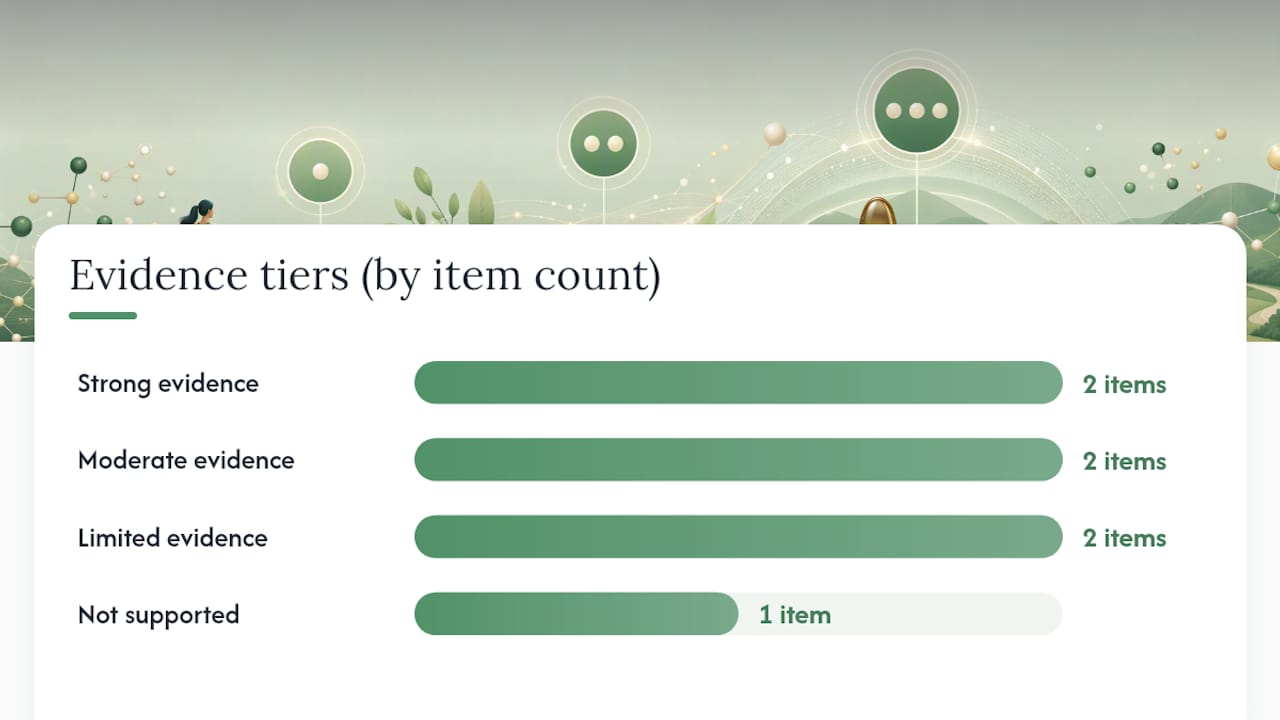
| Evidence tier | Supplement/intervention | Key rationale |
|---|---|---|
| Strong | Protein (1.2–1.6 g/kg/day) + resistance training | Preserves lean mass during rapid weight loss |
| Strong | B12 monitoring and supplementation | Gastric emptying impairs absorption; deficiency documented in cohorts |
| Moderate | Vitamin D repletion (when deficient) | Fat-soluble; absorption affected by reduced dietary fat |
| Moderate | Fiber (psyllium) for constipation | Well-tolerated; addresses a common GLP-1 side effect |
| Limited | Magnesium supplementation | Reasonable rationale; RCT data in GLP-1 cohorts limited |
| Limited | Omega-3s | Cardiovascular benefit established; GLP-1-specific data limited |
| Not supported | Thermogenic/stimulant blends | No benefit; meaningful safety risk |
Nourished’s research and references page links to the primary studies and clinical guidance behind its nutrition recommendations for women at different life stages, including those on weight-loss medications.
What actually matters most when you are on weight-loss medication
Most of the supplement advice circulating online for GLP-1 users is either too vague (“take a multivitamin”) or too aggressive (a stack of 10 products on Day 1). Neither serves you well.
The three priorities that actually move the needle in practice: preserve muscle, test your labs, and fix the food first. Muscle loss is the silent cost of rapid weight loss that most people do not notice until months later when their metabolism has slowed and their strength has dropped. A protein target of 1.2–1.6 g per kg of body weight, paired with resistance training, is the most evidence-backed intervention available, and it costs nothing beyond food and effort.
Common side effects like nausea and constipation are normal in the first 4–8 weeks and usually resolve with dose adjustment and dietary changes. They are not signals to add more supplements; they are signals to adjust meal timing, reduce fat content, and increase fluid intake. Supplements become relevant when diet alone cannot close a documented gap.
The most important thing you can do with this checklist is bring it to your prescriber and pharmacist, not use it as a solo shopping list. Coordinate with your clinical team, and let your labs guide what you actually need.
Nourished supports the food-first side of your weight-loss medication plan
Getting enough protein, micronutrients, and fiber on a suppressed appetite is genuinely hard without a structured plan. Nourished builds personalized meal plans designed around your hormonal profile, life stage, and specific nutrition targets, including the elevated protein needs and micronutrient priorities that matter most when you are on a GLP-1 medication.
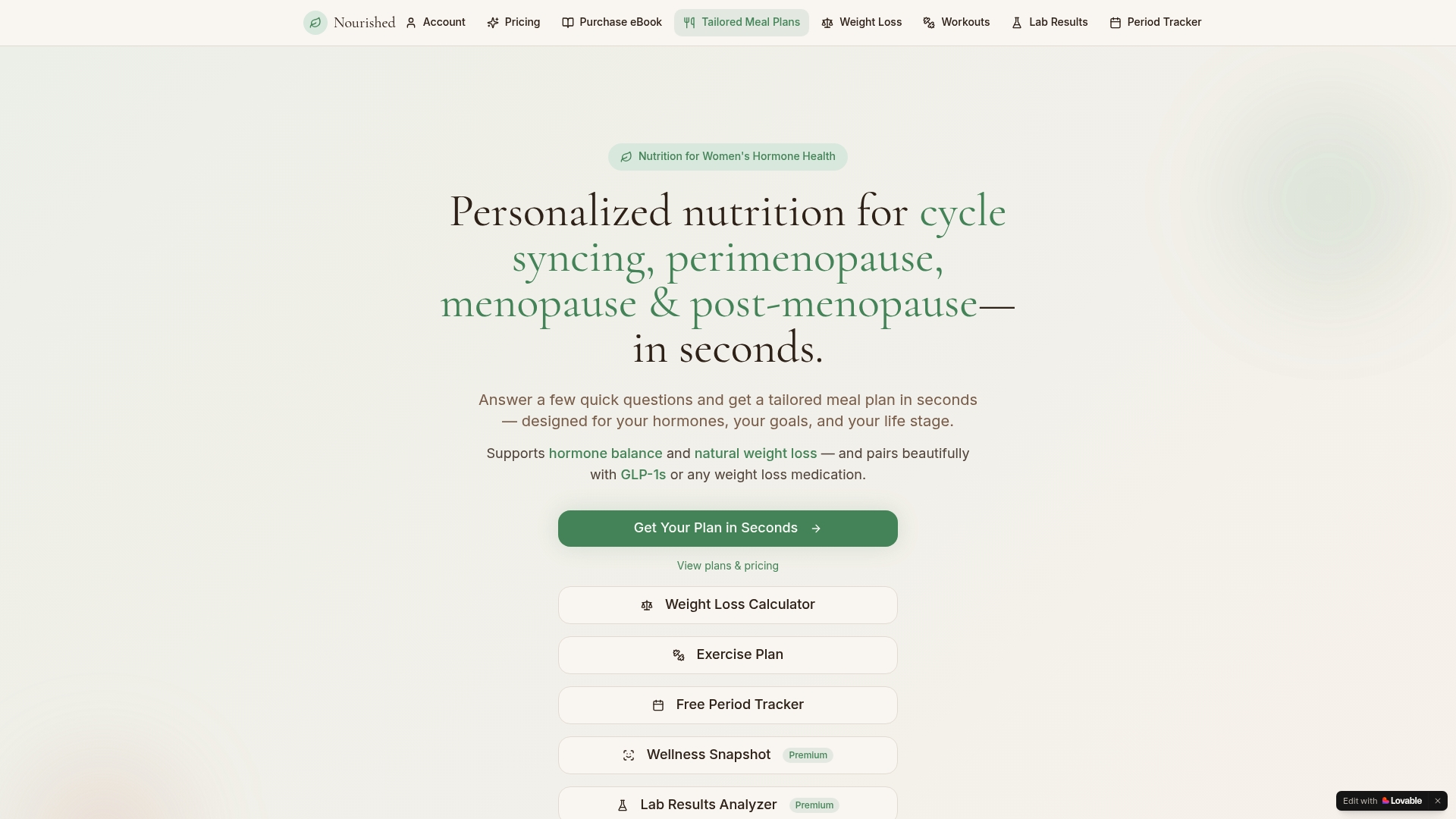
The platform generates meal plans that adapt to your cycle phase, perimenopause status, or post-menopause needs, making it easier to hit a 100–130 g protein target on days when appetite is low. The food and lab trackers let you log what you are eating and flag gaps before they become deficiencies. Nourished is a complement to your prescriber’s plan, not a replacement for it; clinical oversight and lab monitoring remain essential.
See how Nourished works and start building a food-first plan that supports your medication, not just your scale.
Sources
The following sources back the clinical guidance in this checklist:
- Safety and evidence summary for dietary supplement ingredients used in weight management (PMC review)
- Making sense of vitamins and minerals — Harvard Health
- Vitamin A — Health Professional Fact Sheet | NIH Office of Dietary Supplements
This article is general information, not a substitute for advice from a qualified doctor. Consult a qualified healthcare professional about your own circumstances before acting on anything here.