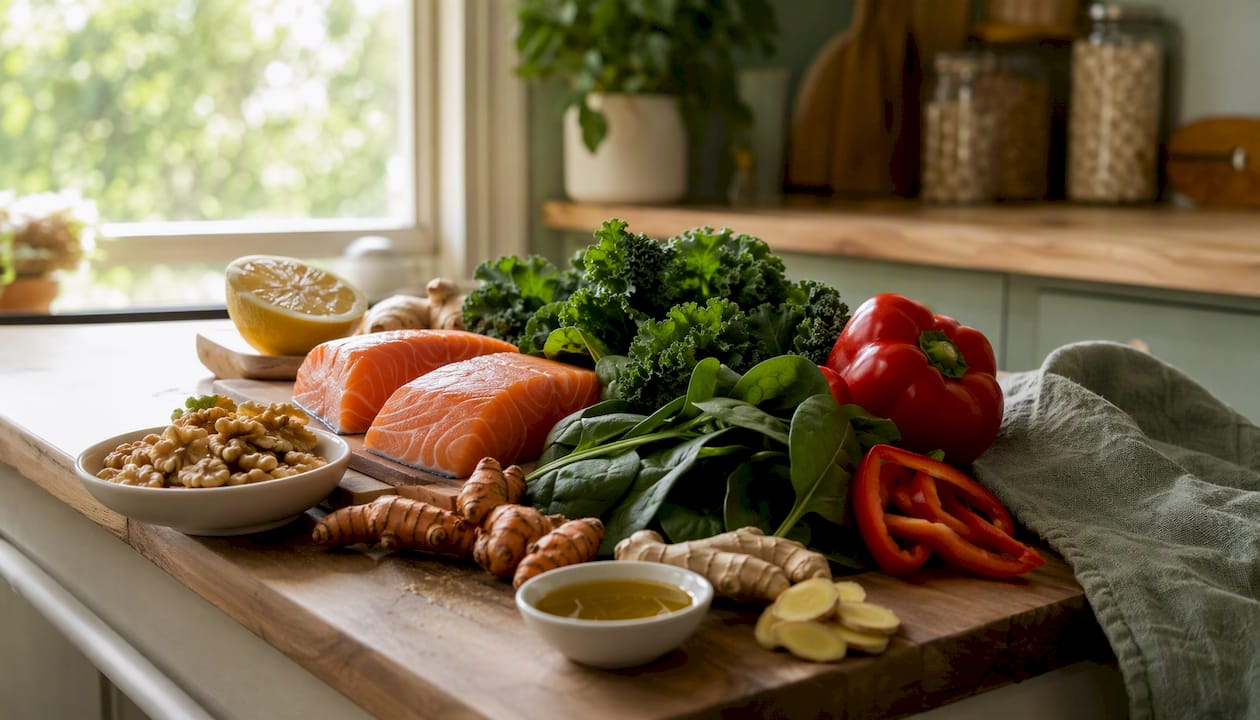
Why Anti-Inflammatory Foods Help Menstruation and Ease Pain
Nourished · August 7, 2026
Why Anti-Inflammatory Foods Help Menstruation and Ease Pain
Yes, eating anti-inflammatory foods can reduce menstrual pain for many people, and the mechanism is specific: these foods lower prostaglandin-driven inflammation, support estrogen clearance through fiber, and reduce the oxidative stress that amplifies cramping.
A few honest caveats before you swap your breakfast:
- Results vary. Some people notice real relief within one to two cycles; others need two to three months of consistent change.
- Diet is not a substitute for medical care. If your pain is severe, worsening, or unresponsive to over-the-counter NSAIDs, see a clinician.
- You do not need a complete dietary overhaul. One swap today, like adding a handful of walnuts to your lunch, is a legitimate starting point.
The foods that ease menstrual pain are the same ones that support month-round hormone balance, which means this is not a period-week fix. It is a sustainable shift.
Table of Contents
- What causes menstrual pain and where inflammation fits in
- How anti-inflammatory foods reduce menstrual symptoms
- The best foods for menstrual health: what to eat and how much
- How to use anti-inflammatory foods across your cycle
- What to expect and when to see a clinician
- What does the research actually show?
- Key Takeaways
- The part most dietary advice gets wrong
- Useful sources and further reading
What causes menstrual pain and where inflammation fits in
Menstrual cramps, clinically called dysmenorrhea, are not simply the uterus contracting. The pain starts days before bleeding when progesterone levels drop sharply. That withdrawal triggers an enzyme called COX-2, which ramps up production of prostaglandins, specifically PGF2α and PGE2. These compounds cause the uterine muscle to contract hard and repeatedly, squeezing blood vessels and creating ischemic pain, the same oxygen-deprivation mechanism behind a muscle cramp during exercise.
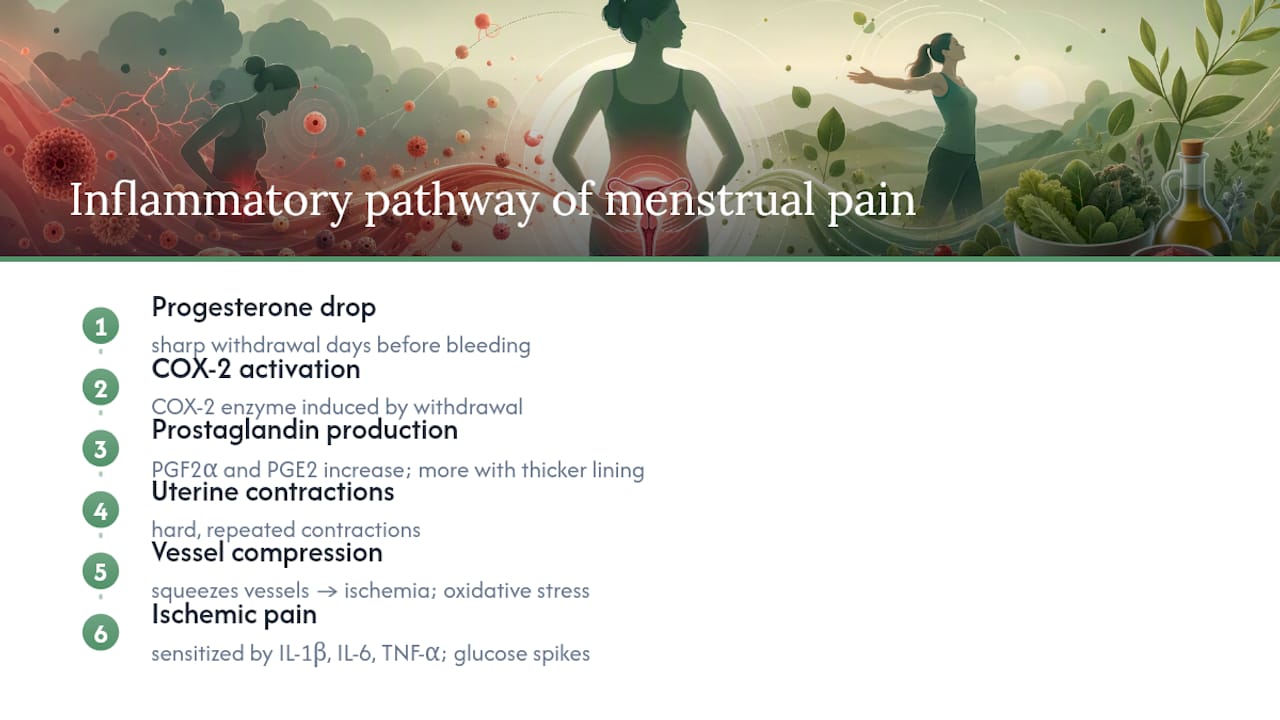
That is the core driver, but inflammation does not stop there. Proinflammatory cytokines, including IL-1β, IL-6, and TNF-α, are released alongside prostaglandins and sensitize nearby pain receptors. The result is a lower pain threshold, meaning the same contraction that might be tolerable on a low-inflammation day becomes genuinely debilitating. Oxidative stress compounds this by damaging cell membranes and sustaining the inflammatory signal.
Blood sugar matters here too. Refined carbohydrates and added sugars cause rapid glucose spikes that trigger insulin surges, which in turn raise inflammatory markers. The gut microbiome adds another layer: a dysbiotic gut (one with poor microbial diversity) can impair estrogen metabolism, allowing excess estrogen to recirculate rather than be excreted. Higher circulating estrogen thickens the uterine lining, which means more prostaglandin-producing tissue and stronger contractions.
Systematic reviews increasingly frame dysmenorrhea as a neuroendocrine-inflammatory disorder rather than a purely mechanical one. Prostaglandin excess, immune sensitization, and oxidative stress interact across multiple pathways, which is why single-drug approaches often provide only partial relief and why multimodal strategies, including nutrition, are gaining clinical attention.
This framing matters practically. Food can target prostaglandin production (via omega-3 competition with arachidonic acid), oxidative stress (via antioxidants and polyphenols), estrogen clearance (via dietary fiber), and gut microbiome health (via prebiotic plant foods). That is four distinct levers, not one.
How anti-inflammatory foods reduce menstrual symptoms
The connection between specific nutrients and menstrual pain runs through well-mapped biological pathways. Here is how the key food groups act, and why the anti-inflammatory diet framework from Harvard T.H. Chan School of Public Health applies directly to period health:
-
Omega-3 fatty acids (EPA and DHA) compete with arachidonic acid for COX-2 enzymes. Less arachidonic acid processed means fewer PGF2α and PGE2 prostaglandins produced, which translates to less uterine contraction intensity. Food sources: salmon, sardines, mackerel, walnuts, flaxseed, chia seeds. A University of Queensland review of clinical trials found omega-3 interventions of 300–1,800 mg/day over 2–3 months reduced period pain and pain medication use in some people.
-
Dietary fiber binds excess estrogen in the gut and carries it out through fecal excretion, reducing enterohepatic recirculation. Lower circulating estrogen means a thinner uterine lining and fewer prostaglandin-producing cells. Food sources: lentils, black beans, oats, broccoli, flaxseed, pears.
-
Antioxidants and polyphenols (vitamin C, vitamin E, carotenoids, flavonoids) neutralize reactive oxygen species and suppress cytokine signaling, lowering the inflammatory amplification that makes cramps feel worse. A Harvard Health overview identifies fiber, carotenoids, vitamin C, vitamin E, polyphenols, and omega-3s as the core anti-inflammatory nutrient classes. Food sources: berries, leafy greens, sweet potatoes, dark chocolate, green tea.
-
Magnesium relaxes smooth muscle and may reduce uterine spasm. It also supports serotonin synthesis, which affects mood and pain perception. Food sources: pumpkin seeds, spinach, dark chocolate, almonds, black beans.
-
Olive oil polyphenols (particularly oleocanthal) inhibit COX-1 and COX-2 enzymes in a manner similar to ibuprofen, though at much lower potency. Still, consistent use across meals adds up.
-
Vitamin E has shown benefit in select trials for reducing prostaglandin-related pain, with PMC-indexed trial data pointing to specific dosing protocols used in clinical settings.
The pattern across all of these: they work through complementary pathways, not a single one. Eating a variety of these foods together produces a synergistic anti-inflammatory effect that no single supplement can replicate.
The best foods for menstrual health: what to eat and how much
Think of this as a grouped toolkit rather than a rigid prescription. The goal is variety and consistency, not perfection on any one day.
Omega-3 sources
- Fatty fish: salmon, sardines, mackerel (aim for 2 servings per week)
- Plant-based: walnuts (a small handful), ground flaxseed (1–2 tablespoons on oatmeal or yogurt), chia seeds
Fiber-rich plants
- Legumes: lentils, chickpeas, black beans (half a cup cooked adds roughly 7–8 grams of fiber)
- Cruciferous vegetables: broccoli, Brussels sprouts, cauliflower
- Whole grains: oats, quinoa, brown rice, farro
Colorful antioxidant produce
- Berries: blueberries, raspberries, strawberries (fresh or frozen, both work)
- Leafy greens: spinach, kale, Swiss chard (also iron-rich, which matters during blood loss)
- Orange and red produce: sweet potatoes, bell peppers, carrots
Nuts, seeds, and healthy oils
- Almonds and pumpkin seeds for magnesium
- Extra-virgin olive oil as your primary cooking fat
- Avocado for monounsaturated fats and potassium
Herbs and spices
- Turmeric (with black pepper to activate curcumin absorption) in soups, rice, or scrambled eggs
- Ginger in tea or stir-fries; evidence suggests it may reduce prostaglandin synthesis
Quick meal ideas to get started:
- Salmon bowl: baked salmon over quinoa with sautéed spinach, roasted sweet potato, and a drizzle of olive oil and lemon.
- Anti-inflammatory breakfast: oatmeal topped with ground flaxseed, blueberries, a tablespoon of almond butter, and a sprinkle of cinnamon.
- Snack plate: a small handful of walnuts, a few squares of dark chocolate (70%+ cacao for the magnesium and polyphenols), and sliced pear.
Pro Tip: If you eat little or no fish, you can still get meaningful omega-3s from ground flaxseed, chia seeds, and walnuts, but ALA (the plant form) converts to EPA and DHA at a low rate. A BBC Food guide on period nutrition recommends prioritizing these plant sources consistently rather than relying on occasional large servings.
The Medical News Today synthesis of observational data also supports iron-rich foods during menstruation, since blood loss depletes iron stores. Pairing plant-based iron sources (lentils, spinach) with vitamin C (bell peppers, citrus) improves absorption.
How to use anti-inflammatory foods across your cycle
The most common mistake is treating this as a period-week intervention. The foods that reduce acute cramps work best when they are already part of your regular eating pattern, because prostaglandin production begins before bleeding starts and inflammatory tone builds over weeks, not hours.
Sample one-day menu for a heavy-cramp day:
- Breakfast: Oatmeal with ground flaxseed, frozen blueberries, and a tablespoon of almond butter. Ginger tea or warm water with lemon.
- Lunch: Large spinach salad with canned salmon, roasted sweet potato, chickpeas, pumpkin seeds, and olive oil vinaigrette.
- Snack: A small handful of walnuts and two squares of dark chocolate.
- Dinner: Baked salmon or lentil soup with turmeric and ginger, served with brown rice and steamed broccoli.
- Hydration: Aim for at least 8 cups of water throughout the day. Herbal teas (ginger, chamomile) count toward this and may reduce bloating.
Three-step prep plan for the week before your period:
- Batch roast vegetables. Spend 30 minutes on Sunday roasting sweet potatoes, broccoli, and bell peppers. These go into salads, grain bowls, and omelets all week.
- Cook a grain in bulk. A pot of quinoa or brown rice takes 20 minutes and lasts four to five days in the fridge.
- Portion nuts and seeds. Pre-portion walnuts, pumpkin seeds, and chia seeds into small containers so snacking is grab-and-go rather than a decision.
Simple grocery list:
Fridge: salmon fillets, eggs, spinach, kale, broccoli, bell peppers, sweet potatoes, blueberries, plain Greek yogurt, lemons
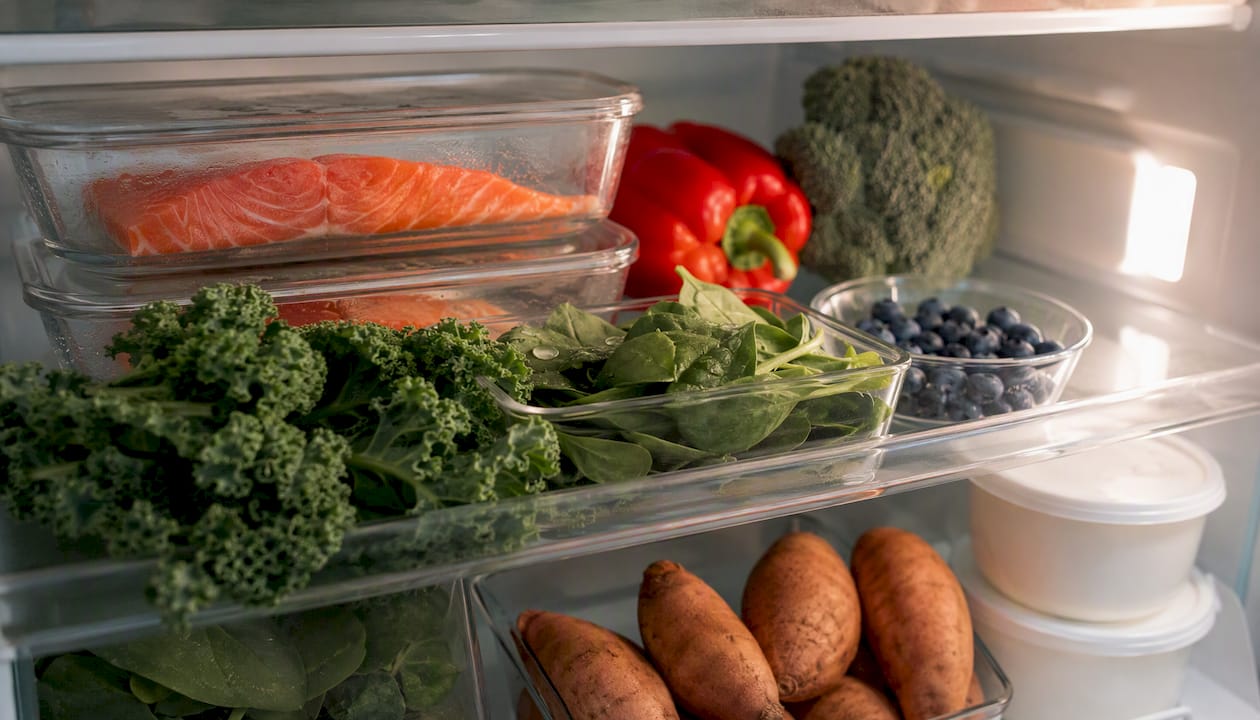
Pantry: quinoa, brown rice, oats, lentils, canned chickpeas, canned salmon, olive oil, turmeric, ginger, black pepper, dark chocolate (70%+), walnuts, almonds, pumpkin seeds, ground flaxseed
Freezer: frozen wild salmon, frozen berries, frozen edamame
Pro Tip: Swap your usual salad dressing for a simple olive oil, lemon juice, and Dijon mustard vinaigrette. You eliminate the refined seed oils and added sugars in most bottled dressings and add oleocanthal from the olive oil, all in under two minutes.
For a deeper look at how inflammation connects to weight and hormones, the same dietary principles apply across your cycle, not just during menstruation.
What to expect and when to see a clinician
Timeline: Most people who make consistent dietary changes notice some improvement within one to three menstrual cycles. Omega-3 trials, for example, ran for two to three months before measuring outcomes. Do not judge the approach after a single cycle.
Red flags that need medical evaluation, not dietary adjustment:
- Pain so severe it prevents normal activity and does not respond to ibuprofen or naproxen
- Bleeding heavy enough to soak through a pad or tampon every hour for two or more consecutive hours
- Fever alongside pelvic pain
- Pain that worsens progressively over several cycles
- Symptoms suggesting anemia: extreme fatigue, dizziness, shortness of breath
These may indicate endometriosis, fibroids, adenomyosis, or another condition that requires clinical diagnosis.
Supplement cautions:
High-dose omega-3 supplements (above roughly 3 grams of EPA+DHA per day) can have blood-thinning effects. If you take warfarin, aspirin, or other anticoagulants, check with your clinician before adding a high-dose fish oil supplement. Vitamin E at therapeutic doses (as used in some menstrual pain trials) should also be discussed with a provider if you are on hormonal treatments or blood thinners.
Vitamin D deficiency is common and has been linked to worse menstrual pain in some studies, but megadose supplementation carries toxicity risk. A standard 1,000–2,000 IU daily supplement is generally safe for most adults, but testing your levels first is the smarter approach.
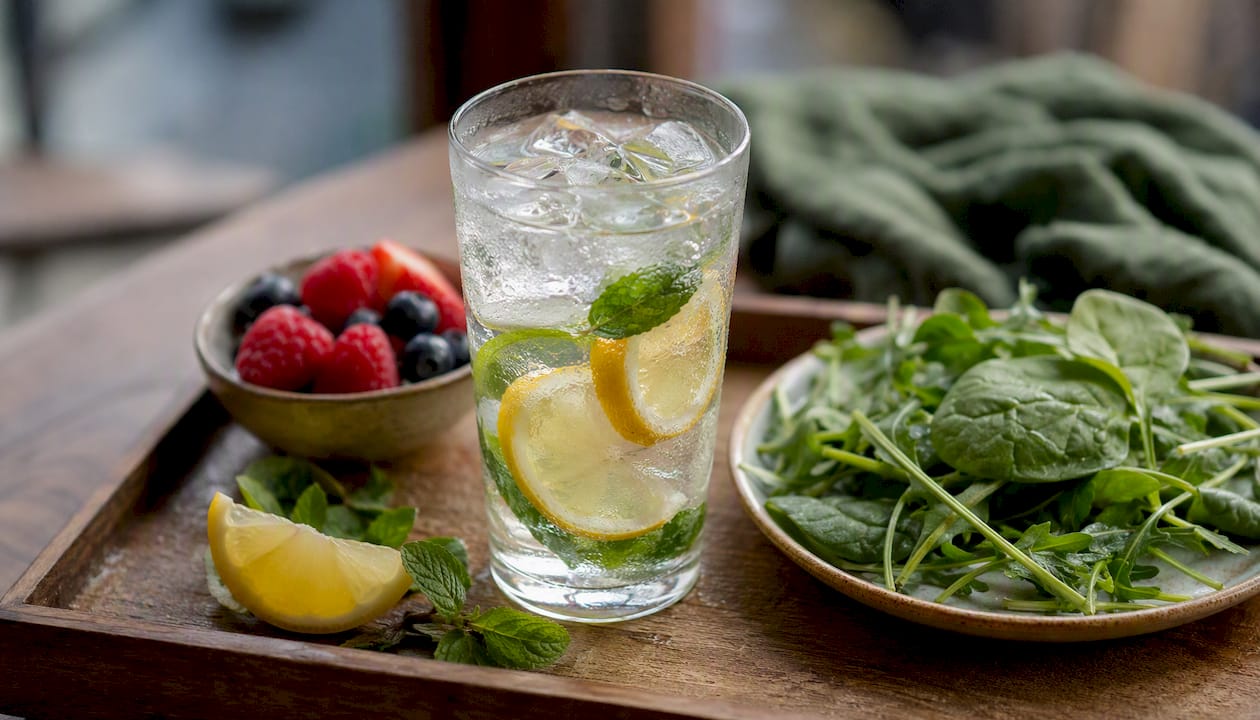
Hydration: Drinking adequate water, at least 8 cups daily, reduces water retention, supports kidney function, and helps maintain the gut motility that enables estrogen excretion. Herbal teas and water-rich foods (cucumber, watermelon, leafy greens) count. Alcohol and high-caffeine drinks work against hydration and are worth limiting during your heaviest days. For more on hydration and mineral balance, electrolyte guidance for women offers useful context on how minerals support hormonal health.
This article is general health information, not medical advice. Confirm any significant dietary or supplement changes with a qualified healthcare provider, especially if you have a diagnosed condition or take prescription medications.
What does the research actually show?
The evidence base is real but uneven. Here is an honest read of what the studies show and where the limits are.
Strongest evidence:
-
Omega-3 fatty acids: Multiple randomized controlled trials (RCTs) show that omega-3 supplementation reduces period pain and pain medication use. The University of Queensland review of these trials summarizes interventions at 300–1,800 mg/day over 2–3 months with consistent positive signals. This is the most RCT-supported dietary intervention for dysmenorrhea.
-
Vitamin E and vitamin D: Select trials show benefit for menstrual pain, with PMC-indexed evidence documenting specific dosing protocols. The effect sizes are meaningful in some trials but not consistent across all studies.
-
Anti-inflammatory dietary patterns: The Mediterranean and DASH diets, both characterized by high vegetable, legume, whole grain, and olive oil intake with limited red meat, are associated with lower inflammatory markers in NCBI Bookshelf reviews of long-term dietary pattern research. The link to menstrual outcomes specifically is more observational than RCT-proven.
Where the evidence is weaker:
- Most dietary studies on menstrual pain use small samples (often under 100 participants), run for only one to three cycles, and rely on self-reported pain scores, which vary widely.
- Confounding lifestyle factors (sleep, exercise, stress, BMI) are rarely fully controlled.
- Dietary Inflammatory Index (DII) studies show that higher pro-inflammatory diet scores associate with worse inflammatory markers, but translating this to specific menstrual symptom outcomes requires more targeted research.
A consistent finding across the literature: omega-3 interventions are among the most reliably positive dietary strategies for period pain, with multiple trials showing reduced pain scores and lower NSAID use compared to placebo. The evidence for whole dietary patterns is promising but rests more on observational data than controlled trials.
The Harvard T.H. Chan anti-inflammatory diet framework and NCBI pattern-level evidence both support the same practical conclusion: a consistent, plant-forward, omega-3-rich diet reduces systemic inflammation over time, and that reduction plausibly extends to menstrual symptoms even when the direct RCT evidence is still building.
Key Takeaways
Anti-inflammatory foods reduce menstrual pain primarily by lowering prostaglandin production, supporting estrogen clearance through fiber, and reducing the oxidative stress that amplifies cramping.
| Point | Details |
|---|---|
| Omega-3s are the best-studied lever | Trials with omega-3 supplements over a few months show some evidence of reduced period pain and pain medication use. |
| Fiber clears excess estrogen | Dietary fiber binds estrogen in the gut for excretion, thinning the uterine lining and reducing contraction intensity. |
| Avoid pro-inflammatory foods too | Refined carbs, added sugars, excess red meat, and alcohol actively worsen inflammation and cramping. |
| Expect results over cycles, not days | Most people notice improvement within 1–3 cycles of consistent dietary change, not after a single period. |
| Nourished personalizes the approach | Nourished builds cycle-synced meal plans and AI-powered tracking so you can apply these principles to your specific hormonal pattern. |
The part most dietary advice gets wrong
Most articles on period nutrition hand you a food list and call it done. The list is fine. The framing is the problem.
Eating salmon twice a week during your period will not move the needle much if the other 25 days of your cycle are built around refined carbohydrates, processed snacks, and minimal fiber. Prostaglandin production is a downstream effect of a month-long inflammatory environment. You cannot meaningfully change the output in three days by adding blueberries.
What actually works is treating anti-inflammatory eating as your default, not your period-week protocol. The women who report the most consistent relief are not the ones who follow a strict plan for five days a month. They are the ones who have quietly shifted their everyday eating toward more plants, more omega-3s, and less processed food, and who notice over two or three cycles that their worst days are less severe.
There is also an underappreciated role for fiber specifically. Most discussions focus on omega-3s because the RCT evidence is cleaner. But fiber’s effect on estrogen recirculation is mechanistically direct and chronically underutilized. If you are only going to make one change, adding a daily tablespoon of ground flaxseed and a serving of legumes will do more for your hormonal environment than any single supplement.
Track one change per cycle. Not five. One. That is the pace that produces real data about your body and real habits that stick.
Useful sources and further reading
These are the primary sources behind the dietary and clinical claims in this article. They vary in evidence type, from RCTs to observational reviews, and are worth reading if you want the original data.
-
Anti-inflammatory diet — Harvard T.H. Chan School of Public Health: — A framework for understanding anti-inflammatory eating, covering key nutrient classes (fiber, polyphenols, omega-3s) and the long-term health evidence behind dietary patterns. Narrative review and synthesis.
-
Anti-Inflammatory Diets and Chronic Disease — NCBI Bookshelf: — A structured review of evidence on anti-inflammatory dietary patterns (Mediterranean, DASH) and their long-term health effects. Addresses study quality and limitations directly.
-
Got period pain or cramps? What to eat and avoid — University of Queensland: — Consumer-facing summary of clinical trial evidence for omega-3s, vitamin D, and vitamin E in period pain. Includes dosing ranges from trials and practical food guidance.
-
PMC article: vitamins and menstrual symptoms: — Trial evidence for vitamin E and vitamin D and their effects on menstrual pain and prostaglandin-related pathways. Includes specific dosing protocols from clinical studies. RCT-level evidence.