
Why Protein Is Critical with Weight Loss Medications
Nourished · July 3, 2026
Why Protein Is Critical with Weight Loss Medications
Protein is the single most important nutrient to prioritize when using weight loss medications like GLP-1 receptor agonists. Without adequate protein, your body breaks down muscle tissue for energy during rapid weight loss, slowing your metabolism and making long-term success much harder to maintain. Clinical guidelines recommend 1.2–1.6 g/kg of bodyweight per day for people on these medications. That target matters because understanding why protein is critical with weight loss medications is the first step toward protecting your results.
Why protein is critical with weight loss medications
Protein’s primary job during pharmacotherapy is muscle preservation. When your body loses weight quickly, it does not automatically distinguish between fat and muscle. Without enough dietary protein, up to 25–30% of weight lost can come from lean muscle mass rather than fat. That loss directly reduces your resting metabolic rate, meaning you burn fewer calories at rest and face a steeper climb to keep weight off long term.
Protein also carries a thermic effect that carbohydrates and fats do not match. Your body burns more energy digesting protein than it does processing other macronutrients. That metabolic advantage compounds over time, supporting fat loss while preserving the muscle that keeps you strong and functional.

The clinical term for this approach is “protein-sparing modified fasting,” and the principle applies broadly to anyone in a caloric deficit. On weight loss medications, the deficit can become severe without deliberate planning. That is why eating enough protein on weight loss medication is not optional. It is the nutritional foundation that makes pharmacotherapy work safely.
How do weight loss medications affect protein intake?
GLP-1 receptor agonists like semaglutide and tirzepatide suppress appetite by slowing gastric emptying and signaling fullness to the brain. The result is smaller meals, fewer eating occasions, and a significant drop in total calorie and nutrient intake. That mechanism is exactly what makes these medications effective for weight loss. It is also what makes nutritional planning so urgent.
The consequences of unmanaged appetite suppression include:
- Severe protein deficits. Research shows the average protein intake among people on GLP-1 medications is approximately 33.4 grams per day. The recommended minimum is 80–100 grams daily.
- Muscle loss. When protein intake falls this low, the body catabolizes muscle tissue to meet its amino acid needs.
- Metabolic slowdown. Less muscle means a lower resting metabolic rate, which increases the risk of weight regain after stopping medication.
- Micronutrient gaps. Reduced food volume often means reduced intake of iron, B12, calcium, and zinc alongside protein.
Less than 10% of patients on GLP-1 pharmacotherapy meet protein intake recommendations. That statistic reveals a systemic gap between what medications do and what nutrition support currently provides. Nutritional counseling is not a bonus add-on. It is a clinical necessity.
Pro Tip: Track your protein intake for the first two weeks on any weight loss medication. Most people are shocked by how far below target they fall once appetite suppression kicks in.

What does the science say about protein and lean mass?
The clinical evidence is consistent and clear. Higher protein intake during weight loss preserves lean body mass, supports metabolic rate, and reduces the risk of weight regain. The table below summarizes the key findings.
| Evidence area | Finding |
|---|---|
| Recommended intake | 1.2–1.6 g/kg bodyweight per day for people on weight loss medications |
| Average actual intake | ~33.4 g/day among GLP-1 patients, far below the 80–100 g daily target |
| Lean mass risk | Up to 25–30% of weight lost can be muscle without adequate protein |
| Thermic advantage | Protein increases energy expenditure more than carbohydrates or fats |
| Long-term outcomes | High-protein structured diets combined with pharmacotherapy preserve muscle and improve adherence |
The thermic effect of protein deserves particular attention. Because your body works harder to digest it, protein effectively raises your daily calorie burn without any additional exercise. That effect is modest but meaningful when compounded across weeks and months of treatment.
Research also shows that quality of protein matters as much as quantity. A higher proportion of plant protein correlates with greater fat loss and less lean mass loss compared to diets heavy in processed animal proteins. That finding gives people on medications a practical reason to diversify their protein sources rather than relying solely on meat.
What are the best protein sources on weight loss medications?
Meeting a daily protein target of 80–100 grams is genuinely difficult when appetite suppression makes eating feel like a chore. The solution is not willpower. It is strategy.
Protein anchoring: eat protein first
“Protein anchoring” is the practice of prioritizing protein at the start of each meal and at the time of day when appetite is strongest. For most people on GLP-1 medications, that window is morning. Eating a high-protein breakfast before appetite fades later in the day builds a strong nutritional foundation regardless of how little you eat at lunch or dinner.
Liquid and soft protein options
Solid food can feel overwhelming when nausea or fullness is pronounced. Liquid protein supplements such as whey, casein, and plant-based shakes are effective alternatives. Bone broth, Greek yogurt, cottage cheese, and blended soups also deliver meaningful protein in formats that are easier to tolerate.
Practical options to keep on hand include:
- Whey or plant-based protein shakes. A single serving typically provides 20–25 grams of protein with minimal volume.
- Greek yogurt. One cup delivers roughly 17–20 grams and doubles as a probiotic source.
- Bone broth. Sippable, warm, and gentle on the stomach, with 10–12 grams per cup.
- Eggs. Six grams per egg, highly bioavailable, and quick to prepare in any form.
- Edamame and lentils. Plant-based options that combine protein with fiber for satiety.
Hydration is equally important. Dehydration risk increases on GLP-1 medications because the drugs reduce thirst signals alongside hunger. Staying well-hydrated supports medication tolerance and helps the body process protein efficiently.
What are the risks of not eating enough protein on medication?
Inadequate protein intake during pharmacotherapy creates a cascade of health problems that extend well beyond the scale. The clinical term is sarcopenia, which refers to the loss of skeletal muscle mass and function. Sarcopenia reduces physical strength, slows recovery from illness or injury, and lowers the metabolic rate in ways that persist long after medication ends.
The most common risks of low protein intake on weight loss medications include:
- Muscle loss. The body breaks down muscle tissue to access amino acids when dietary protein is insufficient.
- Immune impairment. Antibodies and immune cells are built from protein. Chronic deficits compromise the body’s ability to fight infection.
- Fatigue and weakness. Low protein reduces the production of enzymes and hormones that regulate energy.
- Weight regain. Less muscle means a lower resting metabolic rate, making it easier to regain weight after stopping medication.
- Nutrient deficiency. Protein-rich foods also carry iron, zinc, B vitamins, and calcium. Avoiding them creates compounding gaps.
Patients often fear adding calories while on weight loss medications, but failing to meet protein needs leads to muscle breakdown that harms metabolism and recovery. The goal is not to eat less. It is to eat smarter, with protein as the anchor of every meal.
Meal skipping makes all of these risks worse. When people on GLP-1 medications skip meals entirely because they feel no hunger, they lose the opportunity to meet protein targets. A registered dietitian can help set realistic meal timing, identify tolerable protein sources, and monitor for signs of deficiency before they become serious problems.
Key takeaways
Protein is the nutritional cornerstone of safe and effective weight loss during pharmacotherapy. Without it, medications that suppress appetite can inadvertently cause muscle loss, metabolic slowdown, and long-term weight regain.
| Point | Details |
|---|---|
| Target protein intake | Aim for 1.2–1.6 g/kg bodyweight daily, or 80–100 g minimum, while on weight loss medications. |
| Most people fall short | Average intake among GLP-1 patients is ~33.4 g/day. Track yours from day one. |
| Muscle loss is the real risk | Up to 25–30% of weight lost can be lean mass without adequate protein. |
| Use protein anchoring | Eat your highest-protein meal when appetite is strongest, typically in the morning. |
| Liquid protein helps | Whey shakes, Greek yogurt, and bone broth are effective when solid food is hard to tolerate. |
Protein and medication: what I’ve learned from working with women on this
Weight loss medications are a genuine clinical advance. They work. But I have seen too many women come through nutrition support after months on a GLP-1 drug feeling exhausted, weak, and confused about why they still feel unwell despite losing weight. Almost every time, the answer is protein.
The part that surprises most people is how invisible the deficit feels at first. Appetite suppression is so effective that skipping meals feels natural, even comfortable. The hunger cues that would normally signal a problem are gone. By the time fatigue and muscle weakness show up, the deficit has been building for weeks.
What I advocate for is treating protein like a medication dose. It is not optional, and it does not get skipped because you are not hungry. The role of protein in dieting is especially pronounced for women, whose hormonal shifts during perimenopause and menopause already put lean mass at risk. Adding a GLP-1 drug on top of that without a protein plan is a compounding problem.
The women I see who do best are the ones who plan their protein before they plan anything else. They pick two or three reliable sources they can tolerate, they front-load them in the morning, and they use a shake or yogurt to fill gaps. It is not complicated. It just requires intention.
— Brittany
Nourished: personalized nutrition that works alongside your medication
Weight loss medications change how your body signals hunger, but they do not change what your body needs to stay strong and healthy.
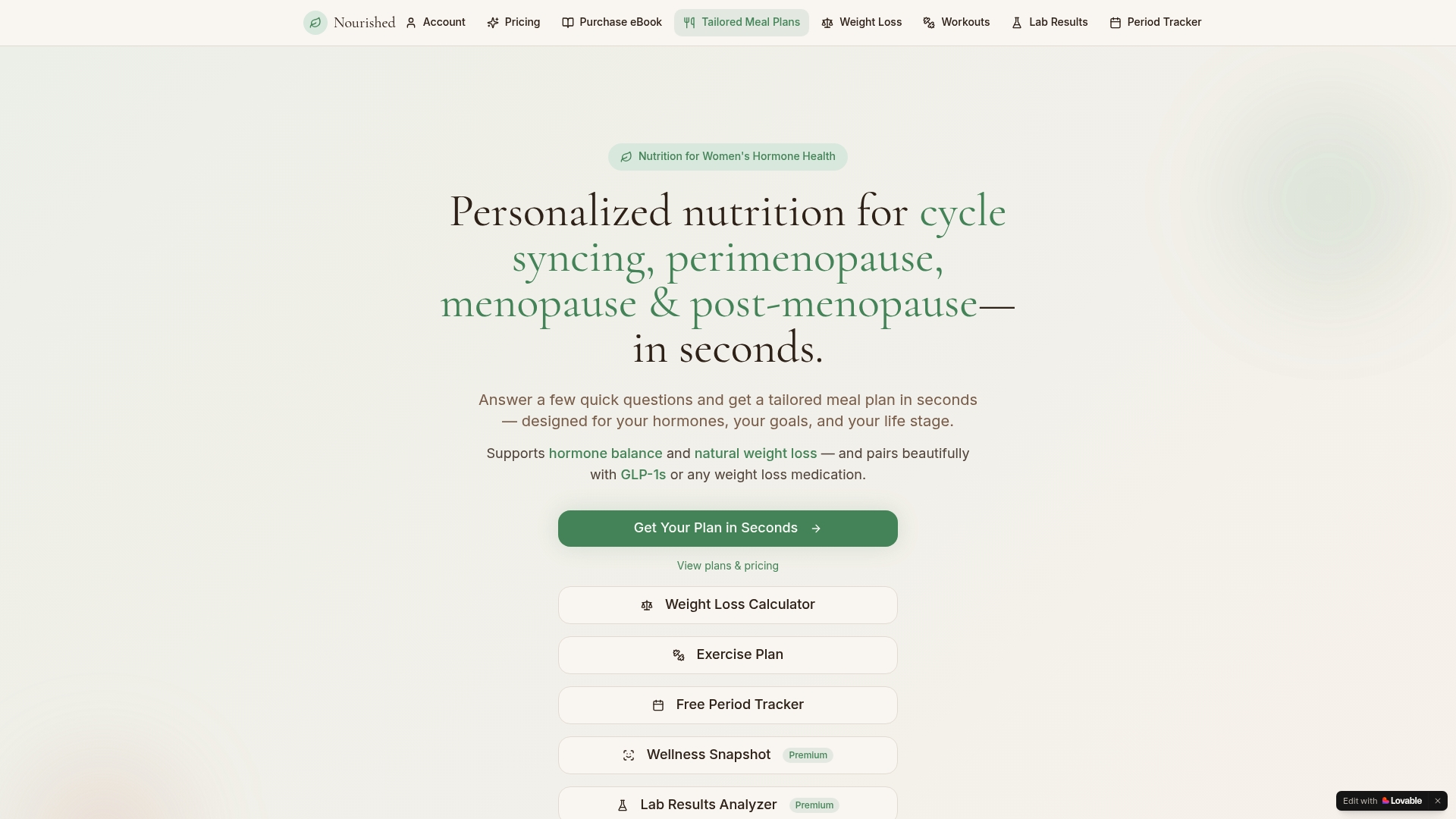
Nourished builds personalized meal plans designed around your hormonal profile, life stage, and specific nutritional targets, including protein. Whether you are in perimenopause, post-menopause, or managing weight with pharmacotherapy, Nourished adapts your plan to meet your protein needs without calorie counting or restrictive rules. The AI-powered platform generates meal plans immediately, making it easy to stay on track even when appetite is unpredictable. Learn how Nourished works and see how personalized nutrition can protect your results long term.
FAQ
How much protein do I need on weight loss medications?
Clinical guidelines recommend 1.2–1.6 g/kg of bodyweight per day, which typically translates to 80–100 grams daily. Most people on GLP-1 medications currently consume far less than that.
Can I use protein supplements on weight loss medications?
Yes. Liquid protein supplements like whey, casein, and plant-based shakes are particularly effective when nausea or fullness makes solid food difficult to tolerate.
What happens if I don’t eat enough protein on a GLP-1 drug?
Inadequate protein intake causes muscle loss, metabolic slowdown, fatigue, and immune impairment. Up to 25–30% of weight lost can come from lean muscle mass rather than fat without sufficient protein.
What is protein anchoring?
Protein anchoring means eating your highest-protein foods at the time of day when your appetite is strongest, usually morning. This strategy helps people on appetite-suppressing medications meet their daily protein targets despite reduced hunger later in the day.
Does the type of protein matter?
Yes. Research links a higher proportion of plant protein with greater fat loss and less lean mass loss. Processed animal proteins are generally less favorable. Combining plant and animal sources gives the most complete amino acid profile.